Clear Sky Science · en
Empiric azithromycin alters the upper respiratory microbiome and resistome without anti-inflammatory benefit in COVID-19
Why this matters for everyday antibiotic use
During the early months of the COVID-19 pandemic, many people received the antibiotic azithromycin in the hope that it might calm harmful inflammation or help fight the virus. This study asks a deceptively simple but crucial question: what did all that extra antibiotic use actually do inside patients’ noses and throats, where the virus first takes hold? By tracking more than a thousand hospitalized adults, the researchers show that azithromycin noticeably disturbed the community of microbes in the upper airway and boosted antibiotic-resistance genes—without delivering the hoped-for anti-inflammatory benefit.
How the study was set up
Scientists drew on a nationwide U.S. project that followed 1,164 adults hospitalized with COVID-19 at 20 hospitals between 2020 and 2021. Patients naturally fell into three groups: those treated empirically with azithromycin, those given other antibiotics, and those who received no antibiotics. From nasal swabs collected repeatedly over a month, the team used a technique called metatranscriptomics to read out which microbes were active and which resistance genes were being expressed. They also sequenced immune-related genes from blood and nasal cells to see whether azithromycin changed patients’ inflammatory responses. 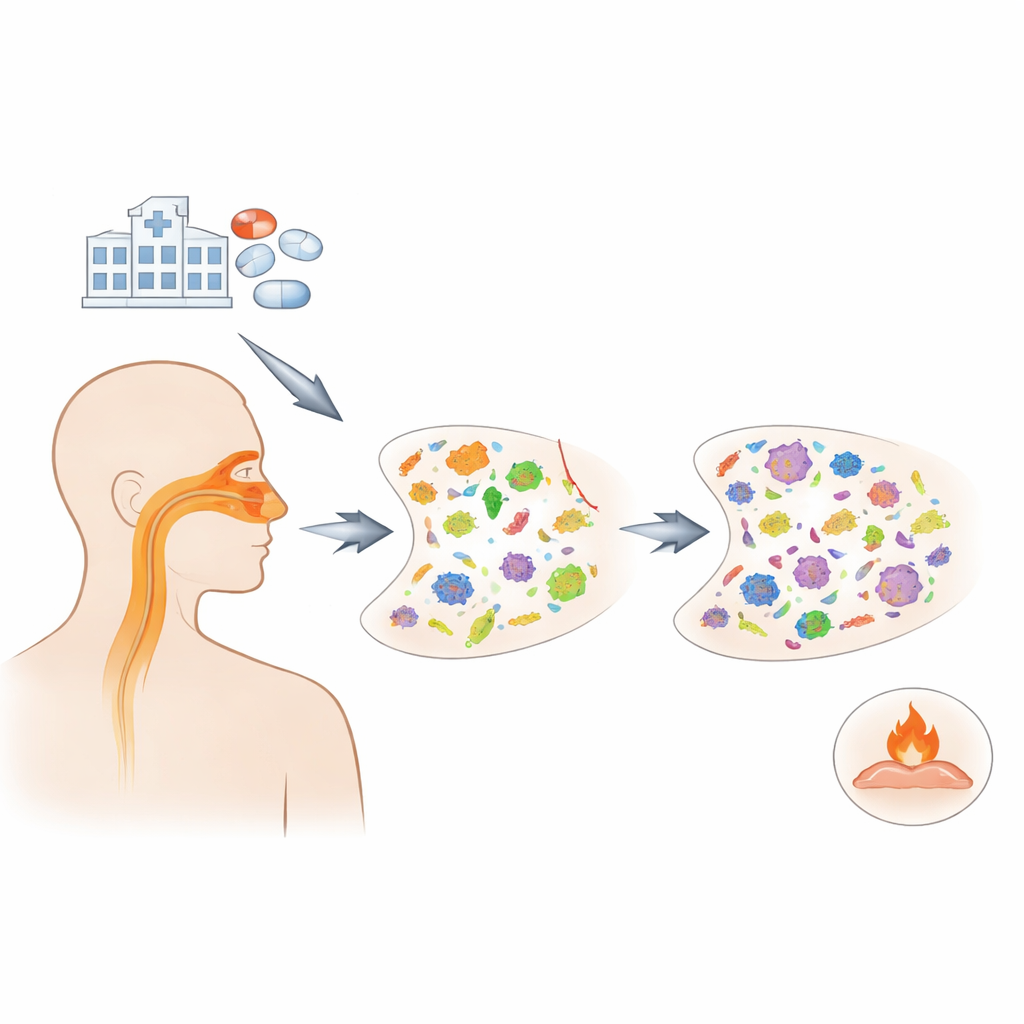
What happened to the airway’s tiny residents
Within just a day of starting azithromycin, the overall amount of bacteria in the nose dropped, and this reduction was still clear after about five days of treatment. But the loss was not uniform. Microbes that normally live harmlessly in the upper airway, such as Neisseria and Fusobacterium, tended to dwindle. Meanwhile, species that can cause disease, including certain Staphylococcus and Klebsiella, became more common. Fungi also crept upward in abundance over the same period, hinting that when bacterial neighbors are knocked back, other organisms may move into the vacated niche.
Hidden shifts in resistance genes
Beyond counting which microbes were present, the researchers focused on the “resistome”—the collection of genes that let bacteria withstand antibiotics. Azithromycin belongs to a family of drugs called macrolides, and the team found that genes conferring resistance to macrolides and closely related drugs expanded quickly. After just a few days of treatment, the number of distinct macrolide-resistance genes being actively expressed was about 50 to 70 percent higher in azithromycin-treated patients than in those who received no antibiotics or other drugs. The share of the overall resistome made up by these macrolide-resistance genes nearly doubled and, strikingly, these changes lingered for a week or more after the antibiotic was stopped. 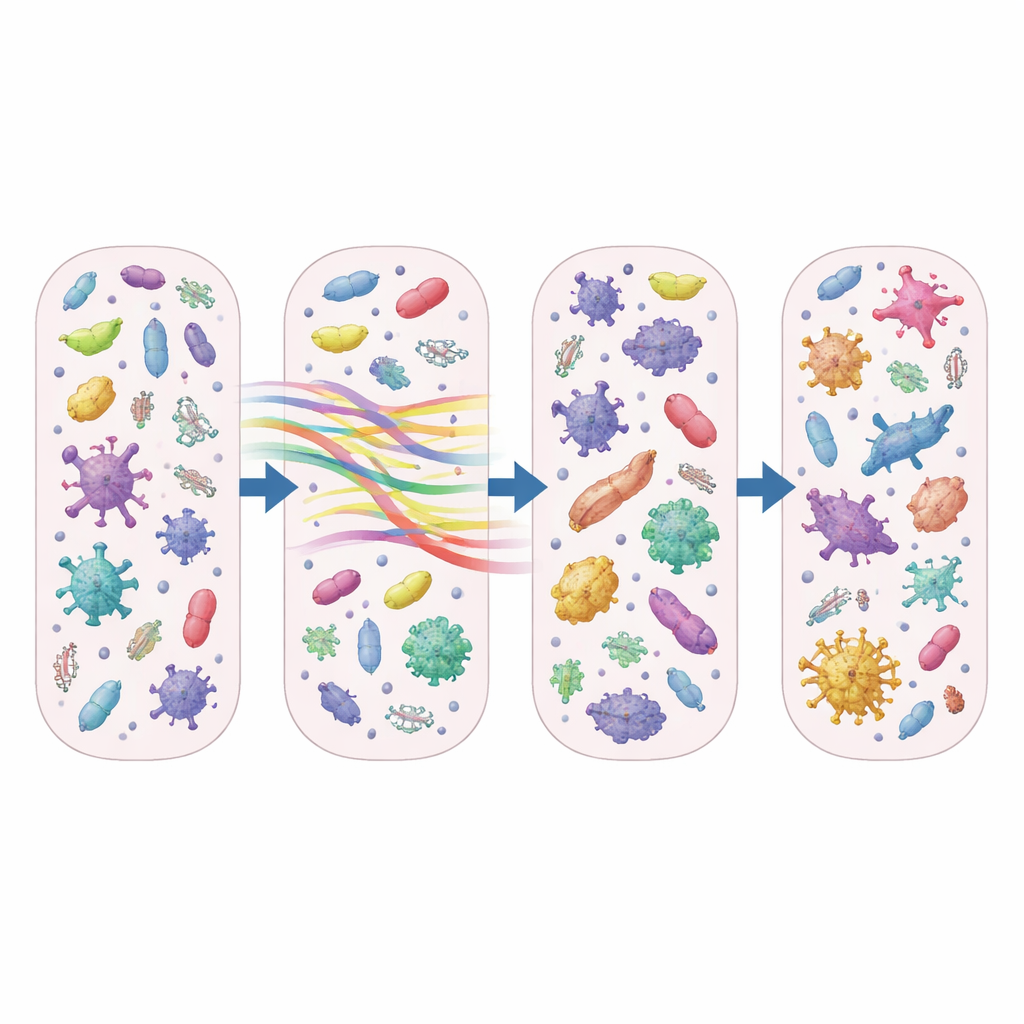
Which microbes carry the new defenses
By correlating resistance genes with the bacteria present, the study linked these macrolide-defense tools to both familiar troublemakers and usually harmless companions. Potential pathogens like Staphylococcus and Streptococcus were strongly associated with key resistance genes such as ermA and msrA, implying that common pneumonia-causing bacteria may become harder to treat after azithromycin exposure. At the same time, everyday residents of the nose, including Corynebacterium and Dolosigranulum, also showed ties to resistance genes, suggesting that the upper airway can serve as a quiet reservoir where antibiotic resistance accumulates and potentially spreads.
No sign of the hoped-for calming effect
Azithromycin has a reputation for damping down inflammation in chronic lung conditions, so many clinicians hoped it might blunt the runaway immune responses seen in severe COVID-19. Yet when the researchers compared patterns of immune-gene activity in the blood and nasal cells of patients who did and did not receive azithromycin, they found no meaningful differences. Viral levels of SARS-CoV-2 in the nose also looked similar across groups. In other words, while the drug clearly reshaped the microbiome and resistome, it did not appear to ease harmful inflammation or reduce the amount of virus in hospitalized patients.
What this means for patients and public health
Together, these findings paint a cautionary picture. In this large cohort of people hospitalized with a viral infection, empiric azithromycin use failed to provide measurable anti-inflammatory or antiviral benefits, but it did promote the growth and activity of resistance genes in the upper airway and shifted the balance of microbes toward more potentially harmful species. For individual patients, that may raise the risk of later bacterial infections that are harder to treat. At the population level, such use adds to the broader problem of antibiotic resistance. The work underscores a straightforward message for clinicians and the public alike: when facing viral illnesses like COVID-19, using antibiotics “just in case” can have lasting downsides, and careful stewardship is essential to protect the effectiveness of these drugs for when they are truly needed.
Citation: Glascock, A., Maguire, C., Phan, H.V. et al. Empiric azithromycin alters the upper respiratory microbiome and resistome without anti-inflammatory benefit in COVID-19. Nat Microbiol 11, 1100–1112 (2026). https://doi.org/10.1038/s41564-026-02285-8
Keywords: azithromycin, COVID-19, respiratory microbiome, antibiotic resistance, antibiotic stewardship