Clear Sky Science · en
Aging and increased cancer risk: exploring the potential of LE8 score to mitigate risk
Why Growing Older and Cancer Risk Matter to You
As more people live into their 70s, 80s, and beyond, many worry that a cancer diagnosis is almost an unavoidable part of aging. This study, using data from more than 160,000 adults in the UK, asks two pressing questions: how strongly is aging itself linked to cancer, and can everyday health habits meaningfully buffer that risk? The researchers focus on a simple score called Life’s Essential 8 (LE8), which reflects diet, exercise, smoking, sleep, weight, blood fats, blood sugar, and blood pressure, to see whether a healthier lifestyle can blunt the impact of getting older on cancer.
How the Researchers Measured Aging
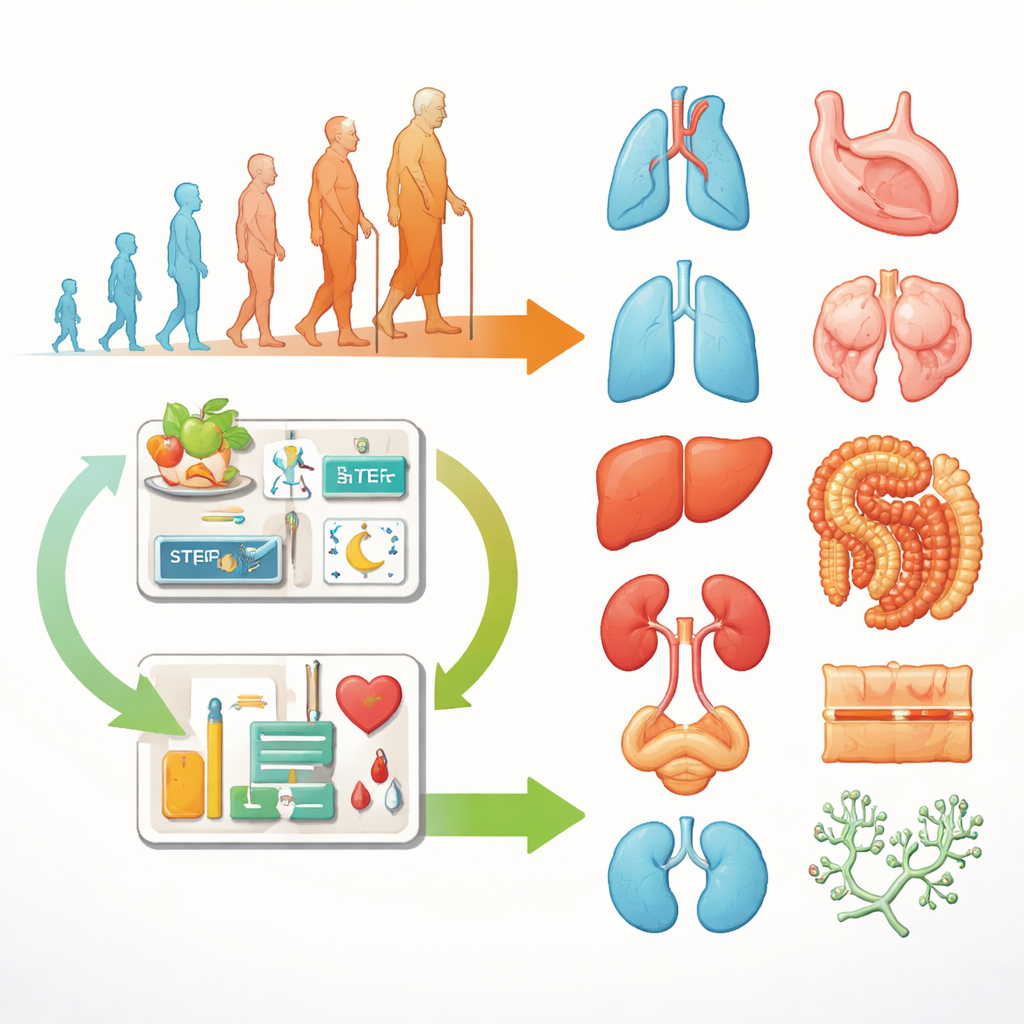
Aging is more than counting birthdays, so the team looked at four ways to capture it. One was plain chronological age – how many years someone has lived. The others were “biological” measures: two blood-based age scores that combine routine lab and clinical tests, and the length of telomeres, the protective caps on chromosomes that tend to shorten as cells age. Using the UK Biobank, a massive health database, they followed 166,723 people without cancer at the start for a median of 13.5 years, tracking who developed cancer and comparing this with their different aging measures and LE8 scores.
What They Found About Aging and Cancer
All four aging measures were linked to a higher overall risk of developing cancer. People who were older by years, whose blood tests suggested more advanced biological aging, or whose telomeres were shorter were more likely to be diagnosed with cancer over time. This pattern held not just for cancer in general but for several major types, including cancers of the esophagus, colon and rectum, pancreas, skin, kidney, and urinary tract, as well as lymphoma. Interestingly, not all cancers behaved the same way: for example, shorter telomeres seemed to protect against thyroid cancer, and head and neck cancers showed little connection to aging in this dataset, underscoring that the biology of cancer and aging is complex and varies by organ.
How the Heart-Health Score Comes In
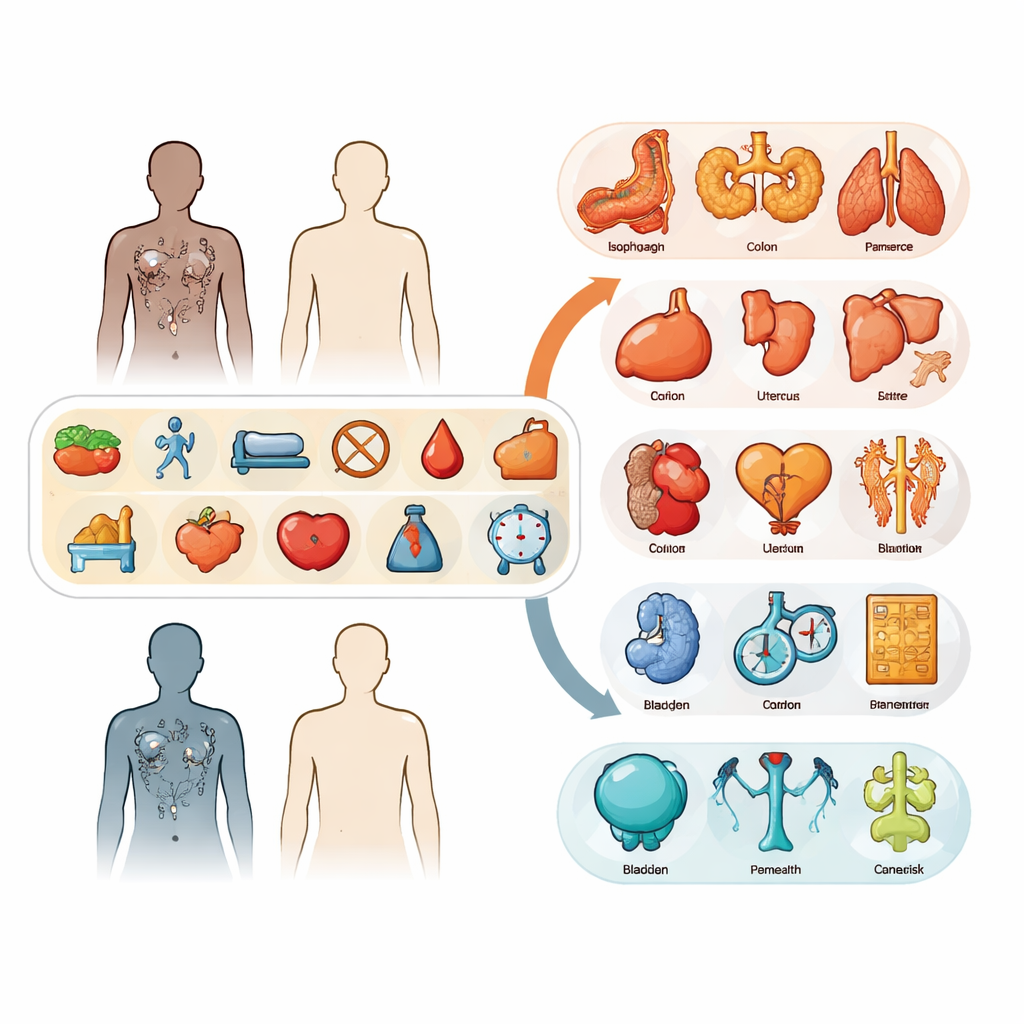
The LE8 score summarizes how well a person is doing on eight key health behaviors and factors. Participants with higher LE8 scores – meaning better diet, more physical activity, no or low smoking exposure, healthier sleep, and more favorable weight and blood markers – had lower risks of getting cancer. Each 10‑point increase in LE8 was associated with fewer overall cancers and lower rates of at least 13 specific cancers, including those of the esophagus, stomach, colon, liver, pancreas, lung, breast, uterus, ovary, kidney, urinary tract, and blood. Compared with people in the lowest LE8 group, those in the highest group had markedly reduced risk for many of these cancers.
Can Good Habits Offset Aging-Related Cancer Risk?
The key question was whether these healthy behaviors could offset the extra cancer risk that comes with being biologically older. When the researchers combined aging status with LE8 levels, they found that people who looked “older” by biological markers but had high LE8 scores often had cancer risks similar to, or not much higher than, biologically younger people. This pattern appeared for overall cancer and for several sites, such as the esophagus, colon, breast, uterus, and urinary tract. In contrast, individuals who were biologically older and had low LE8 scores consistently had substantially higher cancer risk. One notable nuance was prostate and skin cancer in older adults by years: in this specific group, higher LE8 did not clearly lower risk and in some analyses seemed linked to higher detection, possibly reflecting screening patterns or complex biology rather than harm from healthy habits.
What This Means for Everyday Life
The study’s message is not that healthy living can turn back the clock on aging, but that it can meaningfully soften its impact on cancer risk. Even though growing older – by years or by biology – remains a powerful driver of cancer, people who maintain better cardiovascular health through balanced eating, regular activity, avoiding tobacco, adequate sleep, and keeping weight, blood fats, blood sugar, and blood pressure in check tend to face lower odds of many common cancers. The authors argue that starting and sustaining these habits early in adulthood, and especially maintaining them into later life, may help aging populations carry a smaller cancer burden, even in the absence of true “anti-aging” therapies.
Citation: Li, J., Zhang, Y., Zhang, W. et al. Aging and increased cancer risk: exploring the potential of LE8 score to mitigate risk. npj Aging 12, 53 (2026). https://doi.org/10.1038/s41514-026-00352-2
Keywords: aging and cancer, Life’s Essential 8, cardiovascular health, lifestyle and cancer risk, biological age