Clear Sky Science · en
Association between repeated antibiotic prescribing and seizure- and other neuropsychiatric disorders-related hospitalization among people living with dementia: a population-based cohort study
Why this matters for families and caregivers
As people age, many develop dementia and become especially vulnerable to infections like pneumonia or urinary tract infections. These illnesses are often treated with antibiotics, which are usually seen as straightforward, life‑saving drugs. But for older adults with dementia, repeated courses of certain antibiotics may come with hidden risks. This study asks a simple but crucial question: does frequently prescribing these medicines raise the chances that a person with dementia will end up in the hospital, especially for brain‑related problems such as seizures or sudden confusion?
Who was studied and what the researchers looked at
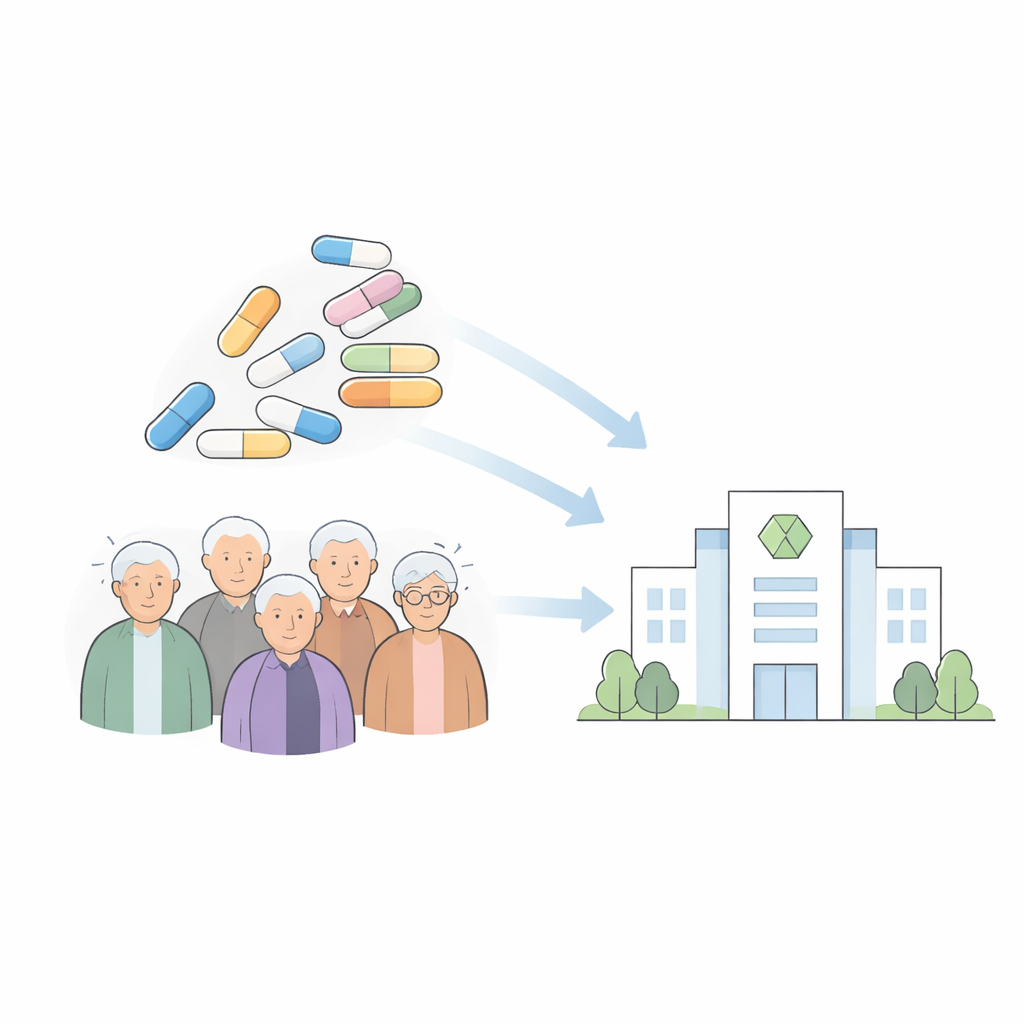
Researchers in Hong Kong examined electronic health records from the public hospital system, covering more than 150,000 people diagnosed with dementia between 2004 and 2019. They focused on patients aged 65 and older who received antibiotics that earlier research had linked to seizures or other mental and behavioral problems. In total, over 79,000 patients had antibiotics considered higher risk for seizures, and about 72,000 had antibiotics thought to pose higher risk for other psychiatric symptoms. For each antibiotic prescription, the team counted how many antibiotic courses that person had received in the previous six months and then watched for any hospital visits in the following 30 days.
Checking for brain‑related problems versus any hospital stay
The researchers compared patients who had only one or two antibiotic prescriptions in the prior six months with those who had more frequent prescriptions. They looked at three types of hospital visits: those related to seizures, those related to other psychiatric problems such as psychosis, depression, anxiety, or delirium, and any hospital admission for any reason. At first glance, people with dementia who had many prior prescriptions of the seizure‑linked antibiotics appeared more likely to be hospitalized for seizures within 30 days. However, when the team looked more closely—especially at events occurring 15 to 30 days later and over a longer one‑year exposure window—this apparent link largely disappeared.
Hidden biases and what they really mean
The disappearing signal suggested a phenomenon called protopathic bias: early signs of a seizure might prompt doctors to prescribe antibiotics for what looks like an infection, and only later is the seizure formally diagnosed and recorded. In other words, it may not be that the antibiotics caused the seizure, but that an underlying condition led to both the antibiotic prescription and the seizure. Across multiple checks and alternative analyses, frequent use of the so‑called high‑risk antibiotics did not consistently raise the risk of hospital stays specifically for seizures or other psychiatric disorders in people with dementia.
The clear signal: higher risk of any hospital admission
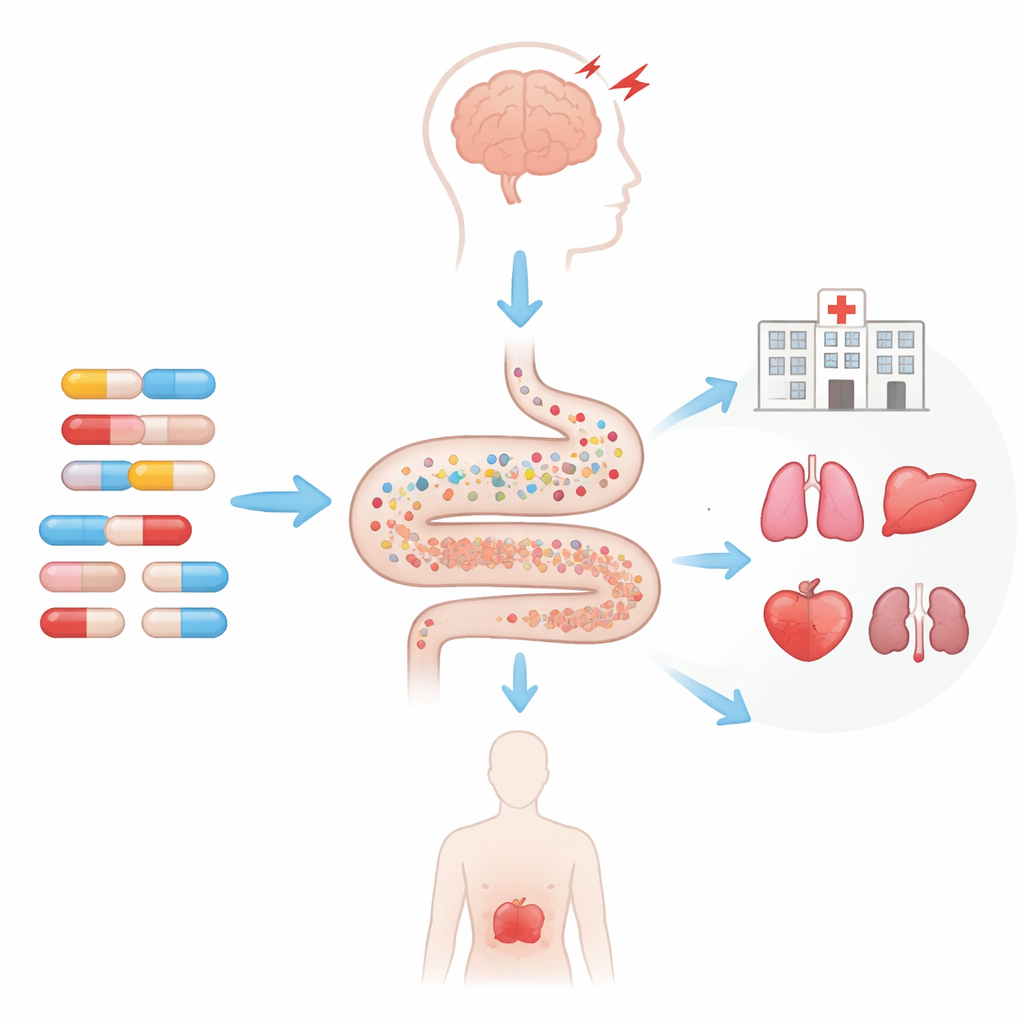
Where the pattern was strong and consistent was in overall hospital use. Regardless of whether the antibiotics were categorized as seizure‑related or other neuropsychiatric‑related, patients with dementia who received more frequent high‑risk antibiotic prescriptions had steadily higher rates of all‑cause hospitalization in the month that followed. This trend held up when the researchers looked over different time frames, adjusted for many health conditions, and even when they excluded people with weakened immune systems. The findings fit with growing evidence that repeated antibiotic exposure can disrupt gut bacteria, promote inflammation, worsen heart and metabolic problems, and contribute to antibiotic resistance—all of which can push vulnerable older adults back into the hospital.
What this means for care and everyday decisions
For families and clinicians caring for people with dementia, these results offer both reassurance and a warning. The reassurance is that frequent use of certain antibiotics does not appear to independently drive up hospitalizations for seizures or other psychiatric crises. The warning is that repeated antibiotic courses are clearly linked to more hospital stays overall in this fragile population. The study’s message is practical: when someone with dementia develops an infection, antibiotics may still be needed, but each course should be carefully weighed against its risks. Preventive steps—such as vaccination, better hygiene, and careful management of feeding tubes and catheters—can help reduce infections in the first place, lowering the need for antibiotics and the chance of landing back in the hospital.
Citation: Chen, K., Lau, J.C.H., Qin, X. et al. Association between repeated antibiotic prescribing and seizure- and other neuropsychiatric disorders-related hospitalization among people living with dementia: a population-based cohort study. npj Aging 12, 44 (2026). https://doi.org/10.1038/s41514-025-00316-y
Keywords: dementia, antibiotics, hospitalization, older adults, neuropsychiatric effects