Clear Sky Science · en
Assessment of gender gap within patients in public-private partnership-based hospital management system: a systematic review and meta-analysis
Why Who Reaches the Hospital Matters
Hospitals are meant for everyone, yet around the world men and women do not always arrive at their doors in equal numbers. This study looks at a growing type of hospital arrangement, where governments and private companies work together to run services, and asks a simple but important question: are women using these hospitals as much as men, and if not, why? Understanding this gap helps reveal hidden social and economic barriers that keep women from getting the care they need, even when modern facilities are available.
Blending Public and Private Care
Many countries now rely on public–private partnerships, where governments and private groups join forces to build and manage hospitals. These arrangements are supposed to combine public responsibility with private efficiency, promising better buildings, modern equipment, and smoother management. In theory, such hospitals should offer fair, patient-centered care to everyone, regardless of gender or income. But the authors note that, in practice, hospital managers often focus more on safety and technical quality than on making care truly responsive and welcoming to different groups, especially women.
What the Researchers Looked At
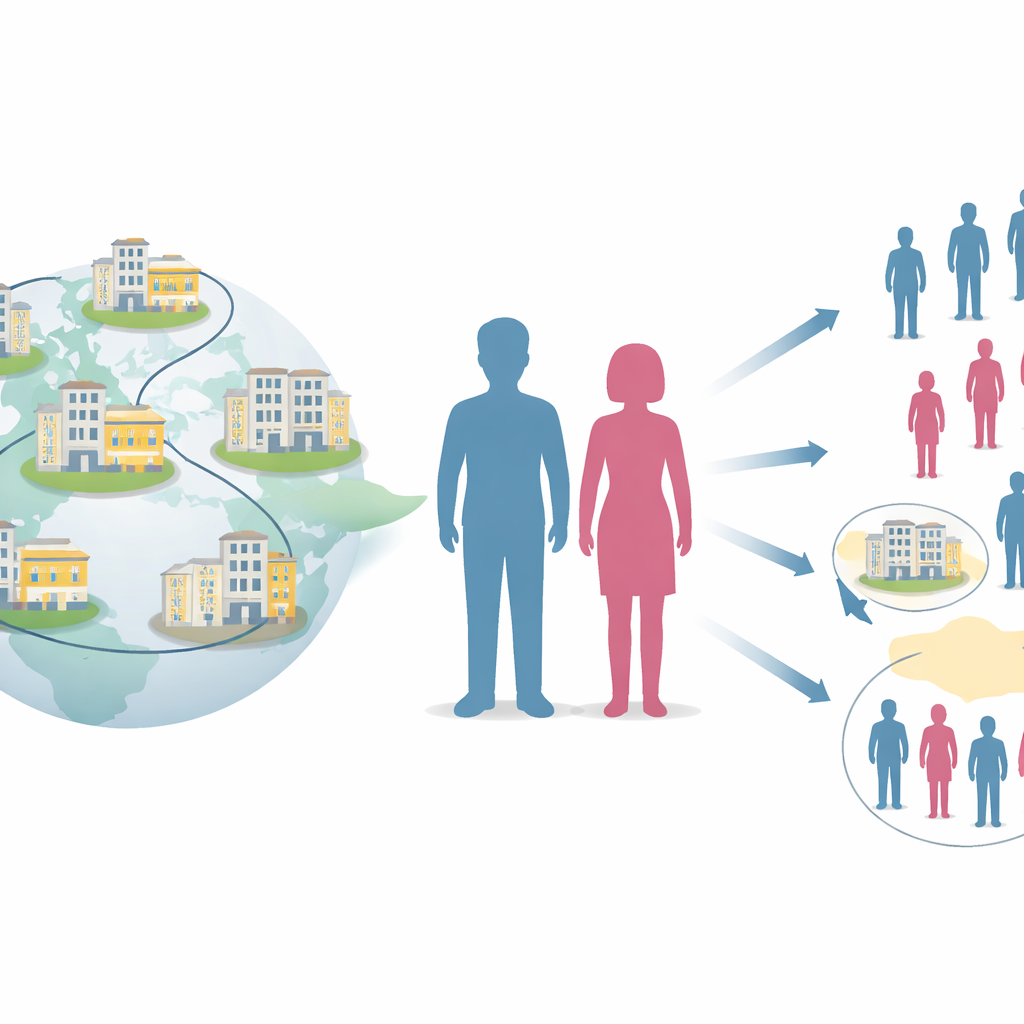
To uncover patterns, the team gathered data from 12 studies conducted in eight countries across five continents, covering more than 140,000 patients treated in partnership-run hospitals. These patients were seen for a range of conditions, including tuberculosis, kidney disease, heart problems, COVID-19, psychiatric disorders, and general medical care. By comparing how many men and women appeared in each study and combining the results, the researchers could estimate how likely men were to receive care in these hospitals compared with women. They also broke the data down by disease type and by continent to see where gaps were widest.
Where Men Outnumber Women
Overall, men were about twice as likely as women to be patients in these partnership hospitals. The imbalance was especially strong for kidney disease, heart disease, and psychiatric care, where male patients greatly outnumbered female patients. In tuberculosis programs based on such partnerships, men again appeared more often than women, particularly in rural areas. The authors link these patterns to deeper social realities: in many low- and middle-income settings, women have less control over money, less freedom to travel, poorer health knowledge, and greater fear of stigma. These factors mean that even when services exist, women may delay or avoid seeking care, or may be left out of program design entirely.
Places and Conditions That Break the Pattern
The picture is not entirely one-sided. In North America, women were slightly more common than men among patients in partnership-based hospitals. For COVID-19 care in Mexico City, men and women appeared in almost equal numbers, suggesting that an all-hands-on-deck response during a crisis can produce more balanced access. Another exception was hospital readmission: women were more likely than men to return to the hospital shortly after going home. The authors suggest that heavier caregiving roles, ongoing stress, and limited support may make it harder for women to fully recover, pushing them back into the hospital even when they do manage to get treatment.
What Needs to Change
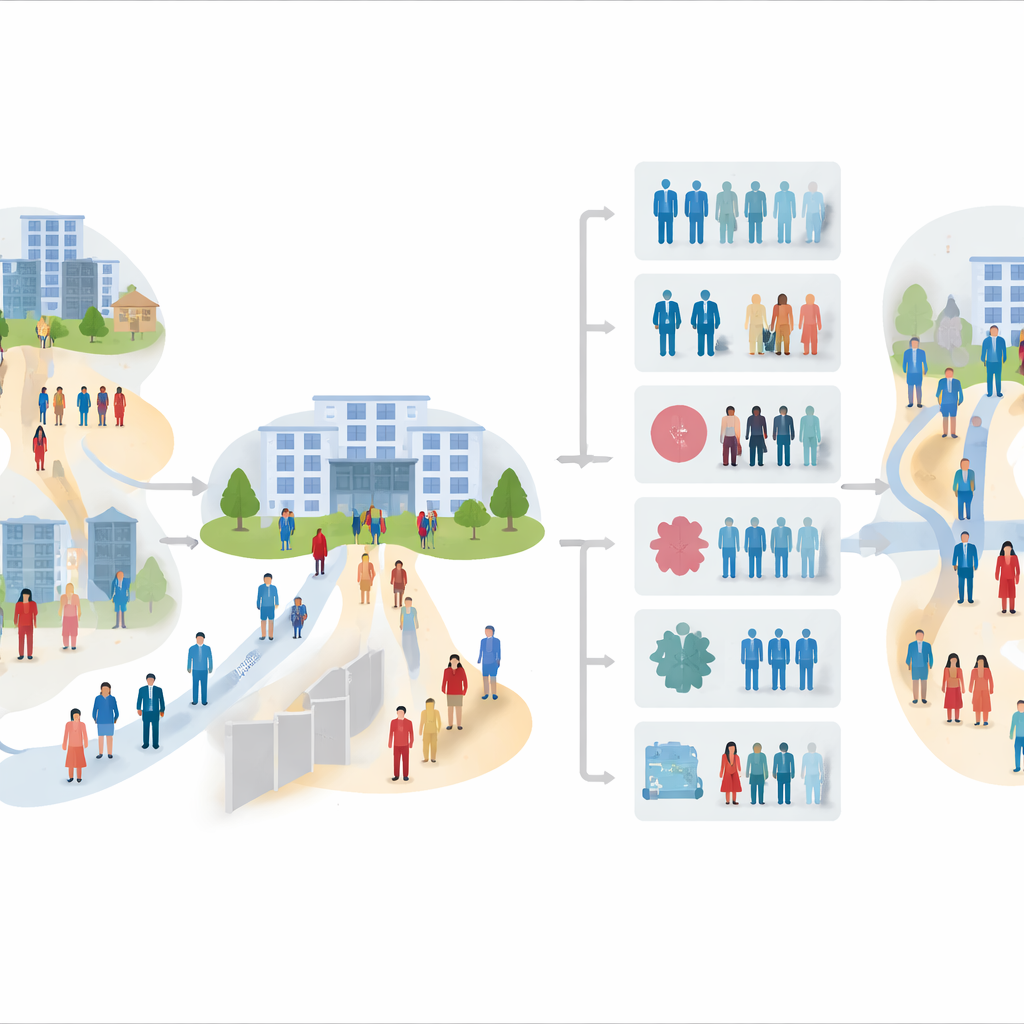
The study concludes that partnership-run hospitals, despite their promise of improved quality and efficiency, are not automatically fair to both men and women. In most regions and for most diseases, women are underrepresented among patients, hinting at unmet health needs and silent suffering. To close this gap, the authors call for hospitals and policymakers to design services with women in mind: improving transport and facilities in rural areas, hiring more female health workers, creating safer and more welcoming environments, and writing policies that explicitly check for gender bias. If partnerships between public and private sectors are to live up to their goals, they must not only build better hospitals but also ensure that women feel able and empowered to walk through their doors.
Citation: Hanif, S., Zahoor, R., Pranta, M.M. et al. Assessment of gender gap within patients in public-private partnership-based hospital management system: a systematic review and meta-analysis. Humanit Soc Sci Commun 13, 413 (2026). https://doi.org/10.1057/s41599-026-06761-8
Keywords: gender gap in healthcare, public–private partnership hospitals, women’s access to care, health equity, hospital utilization