Clear Sky Science · en
What makes the contribution of science towards a sustainable future so difficult? A controversy analysis
Why this debate about science matters to everyone
We often look to science for solutions to climate change, poverty, pollution, and other global crises. Yet progress toward the United Nations’ Sustainable Development Goals (SDGs) has been far slower than hoped. This article asks a simple but pressing question: if science is so powerful, why is it struggling to drive a more sustainable future? By unpacking hidden tensions inside the scientific system itself, the authors show that the problem is not just a lack of facts or technology, but how knowledge is produced, shared, and used.
The promise and shortfall of today’s science
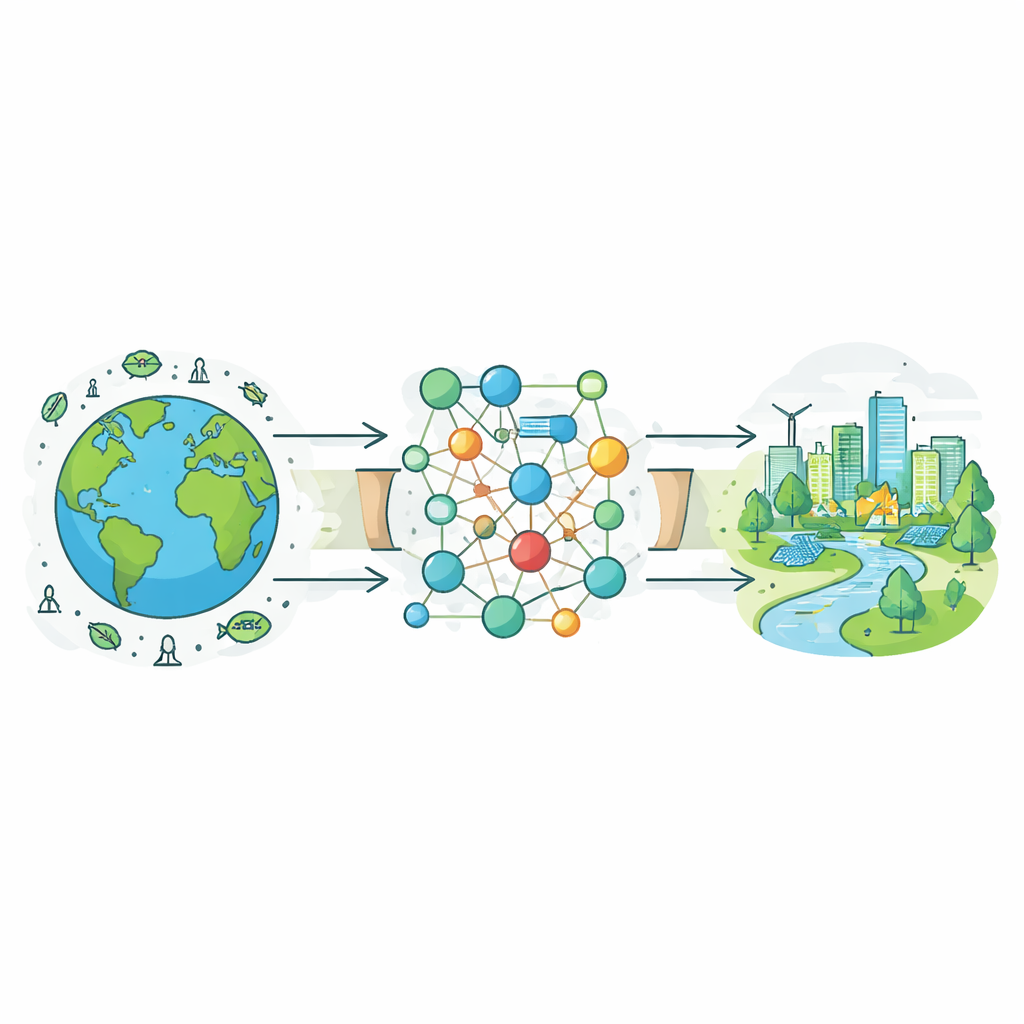
The authors start by noting that governments worldwide have formally committed to the SDGs, a shared blueprint for ending extreme poverty, protecting the planet, and securing well-being for all. New fields such as sustainability science and systems science have emerged to support this agenda. However, only a small slice of global research directly addresses sustainability, and much of it remains trapped in academic circles rather than shaping real-world decisions. The benefits are also unevenly spread: high‑income countries produce most sustainability-related research and patents, while poorer regions—often facing the gravest challenges—have limited resources to generate or adapt knowledge that fits their own contexts.
Blind spots in how science is organized
To explore why change is slow, the authors use a three-layer model. At the deepest layer sit the rules, incentives, and stories that guide science: what counts as valuable research, how careers are rewarded, and which questions get asked. Above that are relationships—who collaborates with whom, whose voices are included or excluded, and how power is distributed among institutions, funders, and communities. At the top is the visible effort to transform science so that it is more forward‑looking, inclusive, and responsive to society’s needs. Across these layers they find repeated problems: too little attention to the links and trade‑offs among different SDGs, too few outlets for truly cross‑disciplinary work, and weak mechanisms for connecting global agendas with local realities.
What science needs to do differently
The paper distills six broad shifts that many experts now call for. First, scientists are urged to act not only as knowledge producers but also as trusted brokers, conveners, and communicators, helping connect evidence with public debate and policy without becoming the decision‑makers themselves. Second, research agendas must move from narrow, technical fixes toward questions that deal with equity, long‑term impacts, and how entire systems—such as food, energy, and cities—can change together. Third, science must involve society more deeply, engaging diverse groups throughout the research process so that results are relevant, fair, and easier to put into practice. To make this possible, scientists need new skills in systems thinking, facilitation, and collaboration, and institutions must reward risk‑taking, cooperation across disciplines, and impact beyond publications.
Four deep tensions that slow transformation
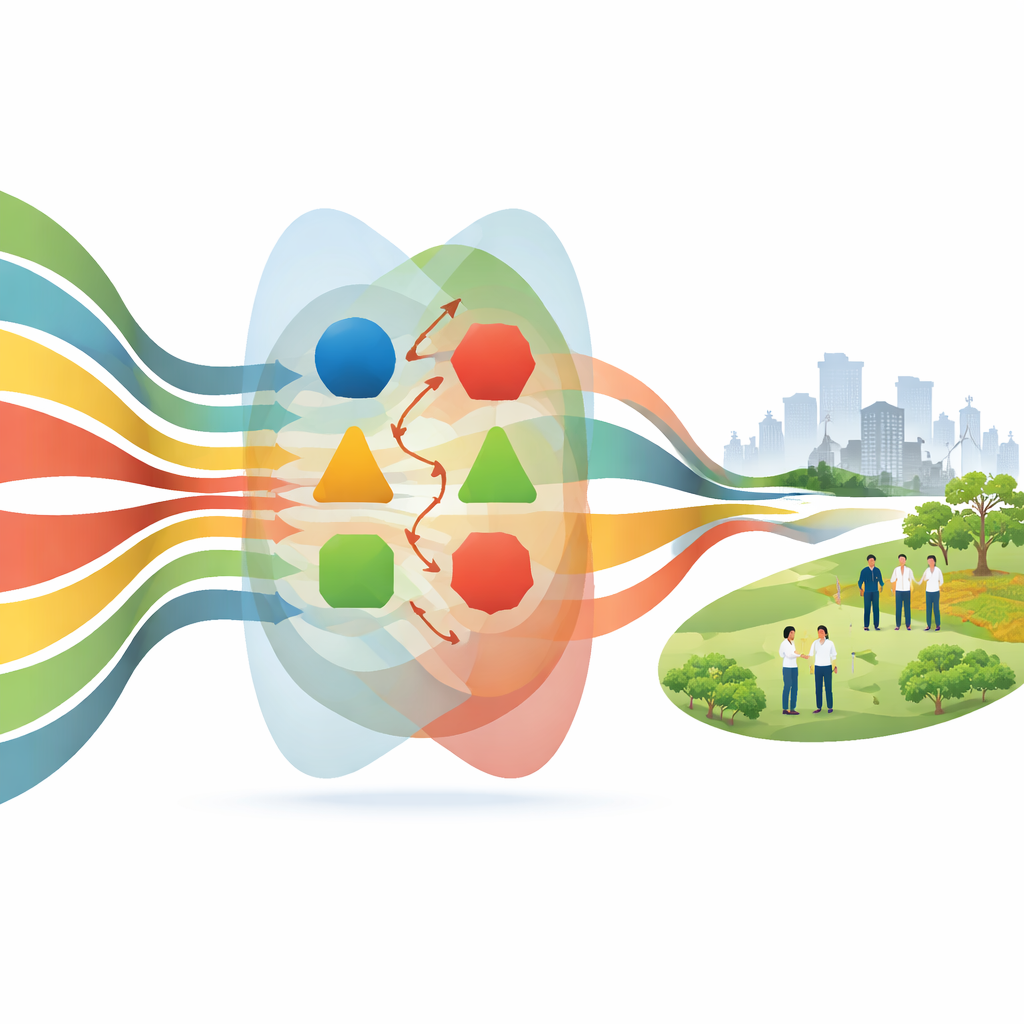
Even when these needs are recognized, powerful controversies inside the scientific world hold back change. One tension pits faith in new technologies against caution about their side effects and unequal access—for example, advanced farming tools that boost yields but may deepen gaps between rich and poor farmers. A second tension concerns whether interdisciplinary and transdisciplinary work should complement or replace traditional disciplines, given worries about losing depth or rigor. A third centers on how to balance universal knowledge and scalable solutions with context‑specific innovation rooted in local and Indigenous experience. Finally, there is a debate over whether science should remain strictly “neutral” or openly pursue value‑driven goals like justice and sustainability, raising fears about politicization on one side and about irrelevance on the other.
Paths toward a more useful and trusted science
In closing, the authors argue that confronting these controversies head‑on is essential if science is to truly help steer humanity toward a safer, fairer future. They call for “risky safe spaces” where scientists, policymakers, businesses, and communities can openly debate disagreements, explore trade‑offs, and co‑design solutions without fear of career or reputational damage. Education systems must also prepare new generations of researchers who are comfortable working across disciplines, cultures, and sectors, and who can reflect critically on their own values and assumptions. For a layperson, the message is clear: better science for sustainability is not only about more data or smarter gadgets, but about reshaping how we collectively ask questions, share power, and decide what kind of future we want to build.
Citation: Gui, E.M., Romera, A., Descalzo, A. et al. What makes the contribution of science towards a sustainable future so difficult? A controversy analysis. Humanit Soc Sci Commun 13, 476 (2026). https://doi.org/10.1057/s41599-026-06642-0
Keywords: sustainability science, sustainable development goals, scientific controversies, interdisciplinary research, science and society