Clear Sky Science · en
Language-dependency of the left-digit effect in number line estimation and the role of number word inversion
How the way we say numbers shapes how we see them
Every day we handle prices, measurements, and scores without thinking much about the words we use for numbers. This study asks a simple but surprising question: does the way our language names numbers quietly bend how large those numbers feel in our minds? By comparing adults who speak English, German, or Mandarin Chinese, the researchers probe whether different number word patterns leave lasting fingerprints on how we picture numbers along a line from small to large.
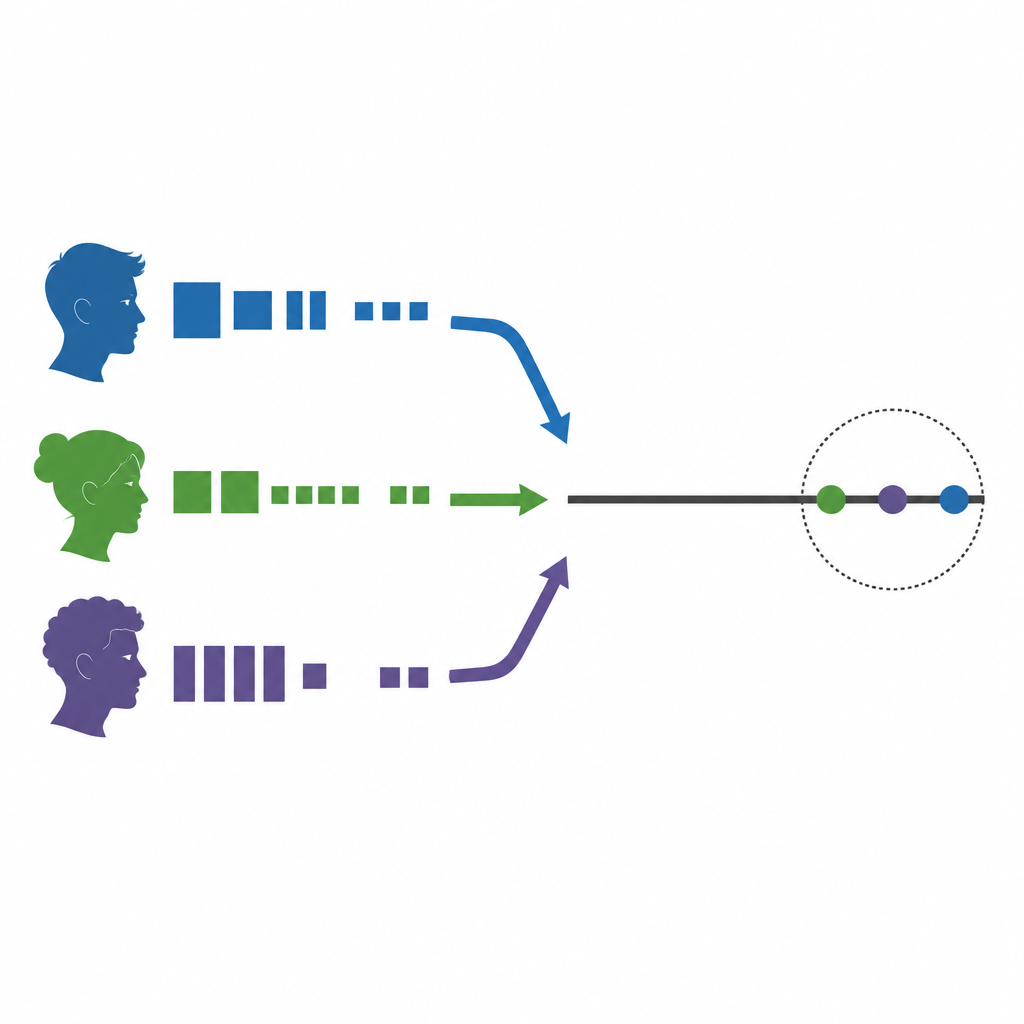
Putting numbers on an invisible ruler
To explore this, volunteers in England, Germany, and China completed a number line estimation task on a tablet. A two digit number briefly appeared, vanished, and was replaced by a plain line standing for values from 0 to 100. Without seeing any labels, participants had to tap where they thought the number belonged. Each person did this hundreds of times, for many different numbers and with the line shown both horizontally and vertically. Because the task uses only symbols on a screen and finger taps, it lets scientists peek at people’s inner sense of numerical size without relying on spoken explanations.
Languages that flip number words
The key twist lies in how different languages build two digit number words. In English, 91 follows the same order as the written digits: “ninety one.” In German, the order is flipped: 91 is literally “one and ninety,” so the unit comes before the decade. Mandarin, by contrast, uses a highly regular pattern where the decade is always said before the unit, for example “nine ten one” for 91. Earlier work with children suggested that this “inversion” in German and similar languages can nudge people to give extra weight to the unit digit. Here, the researchers asked whether such language based quirks are still visible in adults, and how they interact with another tendency known as the left digit effect, in which people lean more heavily on the first digit they see.
Subtle pulls from unit digits and left digits
By examining how estimates changed within each decade, the team found that German speakers showed steeper increases in their placements as the unit digit grew. In simple terms, they pushed numbers with bigger unit digits a bit too far toward the “large” end of the line compared with English and especially Mandarin speakers. This pattern signals a lingering influence of inverted number words, even though no one actually spoke the numbers during the test. At the same time, all three groups showed a clear left digit effect: when numbers crossed a decade boundary, such as from the high teens into the twenties, people tended to exaggerate the jump, spacing numbers on either side farther apart than their true difference.
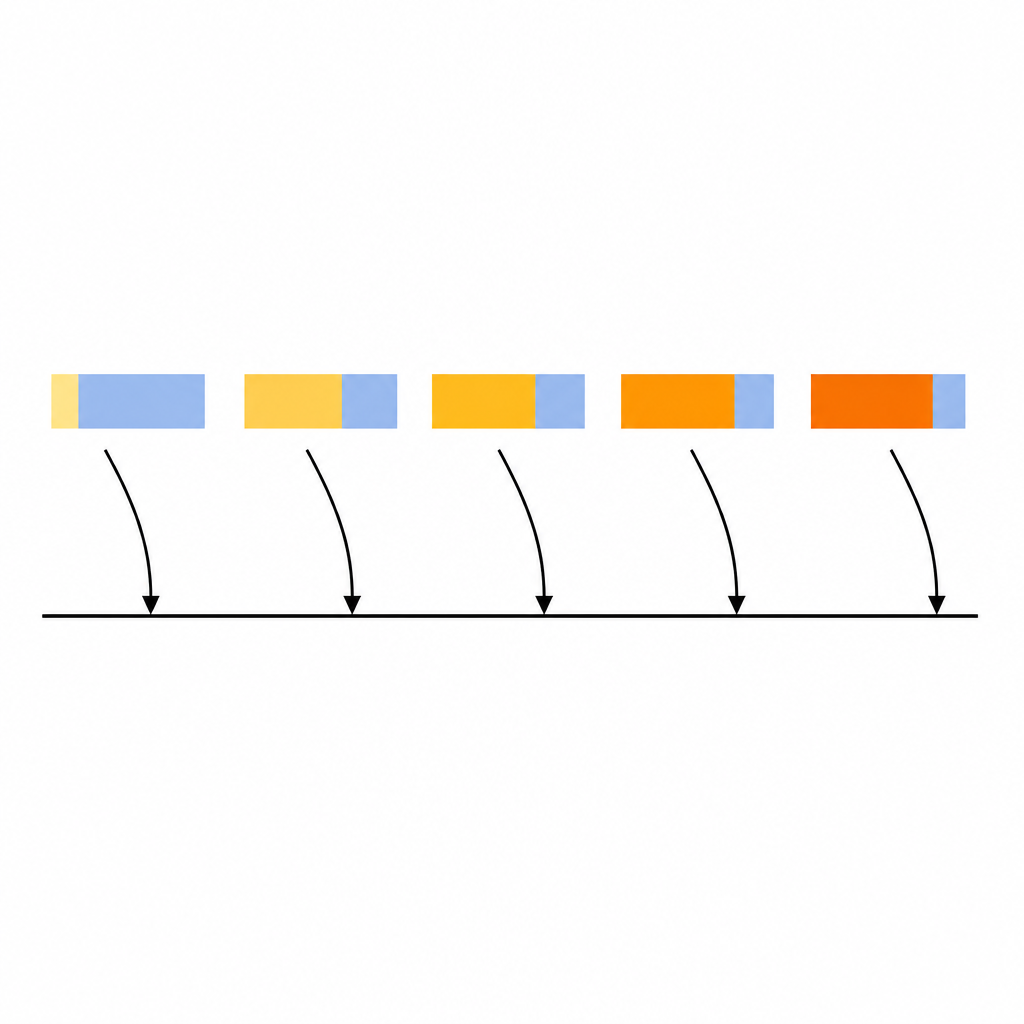
Mandarin’s strong pull toward the first digit
Mandarin speakers stood out in two striking ways. First, they generally placed numbers lower on the line, underestimating their positions more than English and German speakers. Second, careful modeling revealed that for them the leftmost digit had an especially strong influence, while the unit digit contributed the least. This fits the structure of Mandarin number words, which consistently highlight the decade part first and use a multiplier pattern such as “two ten three” for 23. The researchers argue that this regular system may amplify attention to the first digit and deepen the left digit effect compared with the other languages.
Why this matters for everyday numbers
The findings point to a quiet but persistent role of language in how adults think about numbers. Even in a task with only visual symbols and no speech, people’s lifelong experience with number words shaped how much they relied on the first or last digit when judging size. German speakers showed traces of unit first phrasing, while Mandarin speakers showed a powerful pull toward the leading digit, and English speakers fell in between. For a layperson, the message is that our mental “number line” is not a purely neutral tool: it is molded by the quirks of our mother tongue, which can influence how we judge prices, quantities, and numeric information throughout life.
Citation: Sixtus, E., Lonnemann, J., Yan, S. et al. Language-dependency of the left-digit effect in number line estimation and the role of number word inversion. Sci Rep 16, 16423 (2026). https://doi.org/10.1038/s41598-026-54579-w
Keywords: number words, mental number line, left digit effect, language and cognition, numerical estimation