Clear Sky Science · en
Multistage assessment of construction delay factors using expert evaluation and real project data
Why building delays matter to everyone
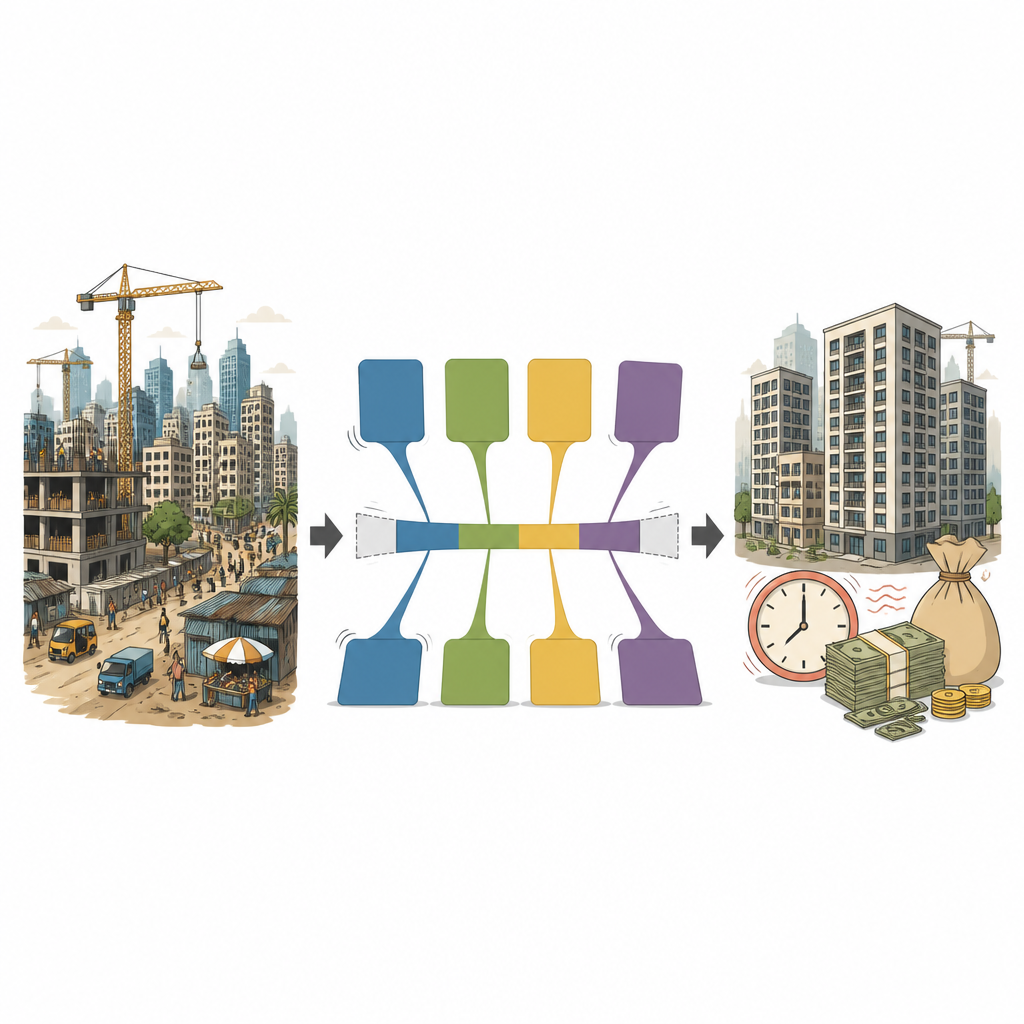
New homes, roads, and hospitals shape daily life and national economies, yet many construction projects finish months or even years late. These delays raise costs, disrupt businesses, and slow access to vital services. This study looks closely at what actually causes construction delays, using expert opinions and records from more than a hundred real projects in Egypt, to pinpoint which problems matter most and how they might be tackled.
Looking for the real causes of slow projects
The researchers began with a wide search of previous studies from around the world to collect known reasons for construction delays. They found 98 distinct causes, then grouped them into four simple families: those linked to the project owner, to the contractor, to designers and consultants, and to outside conditions such as the economy or weather. This organized map makes it easier to compare findings across countries and project types, and ensures that both familiar and less obvious delay sources are considered.
What industry experts see on the ground
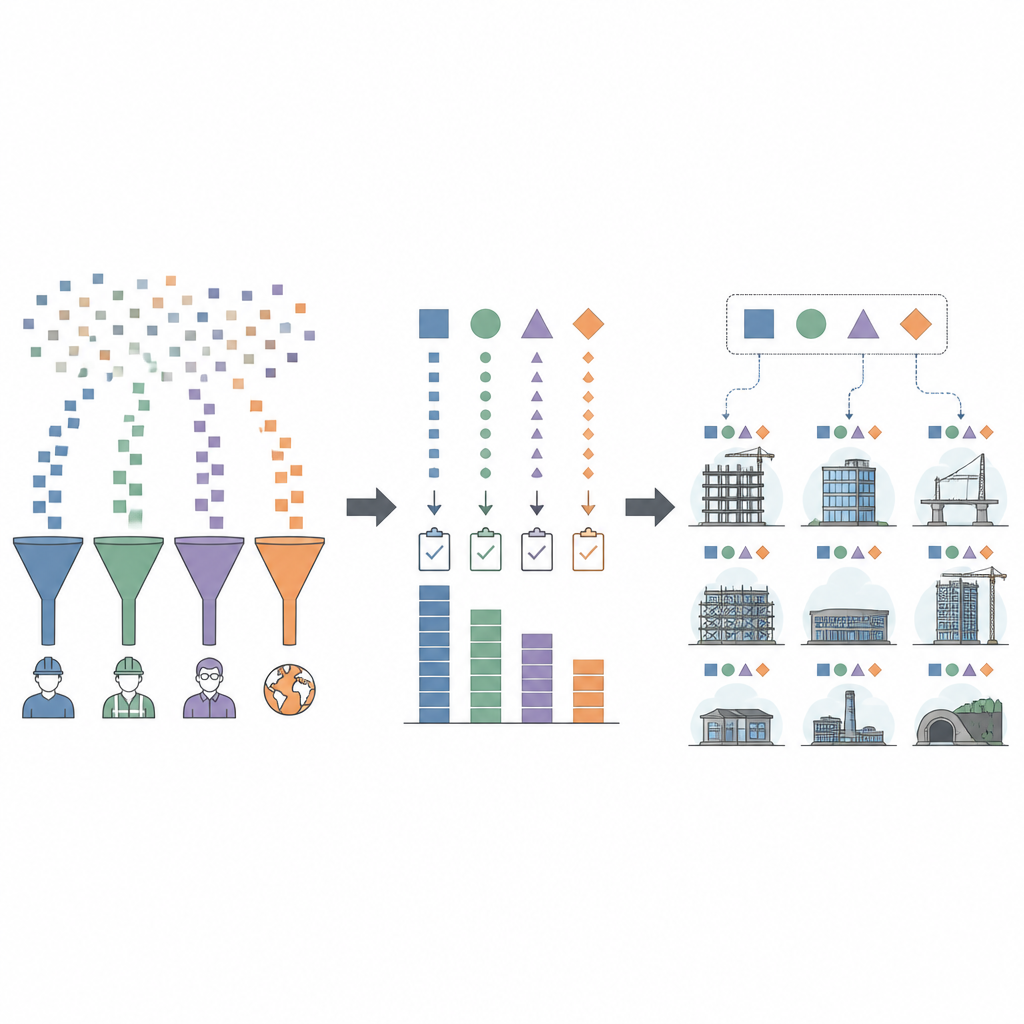
Next, the team asked 116 professionals, including owners, managers, contractors, and consultants, to rate how often each delay factor occurs and how strongly it affects project timelines. They used simple scales for frequency and impact, then converted the responses into numbers and combined them into a single score for each factor. This scoring method highlights issues that are not only common but also damaging. Owner related problems came out on top, especially frequent change orders and design changes, slow decision making and bureaucracy, delays in approving drawings, and late payments or funding problems. Contractor issues such as slow procurement of materials, labor shortages, and weak project management also ranked high, while design oversights and poor site investigations from consultants showed up as important early stage risks.
Checking expert views against real project records
To see whether expert opinions matched reality, the researchers examined detailed records from 141 construction projects in Egypt, covering residential, infrastructure, commercial, and grading works of different sizes. They focused on the 22 highest scoring delay factors and checked project files, such as time extension claims, progress reports, and delay assessments, for clear evidence of each one. A factor was counted as present if it appeared in these documents. The results showed strong agreement between what experts feared and what actually happened, with change orders, slow decisions, and late design approvals again emerging as the most consistent causes of delays across many projects.
What shifts when real data are considered
Although the overall match was good, some factors moved up or down in importance once real data were taken into account. Suspensions of work by the owner and weak cost control and project management by contractors appeared more often in project records than experts expected, suggesting that their impact is underestimated in perception based surveys. In contrast, payment delays and poor communication between owners and contractors, while still important, turned out to be slightly less dominant in practice than experts had ranked them. The study also found that smaller and mid sized projects faced more payment related problems, while large projects were especially exposed to administrative holdups and repeated design changes.
How this helps future building projects
For a lay reader, the key message is that most serious construction delays are not mysterious. They usually trace back to how owners make decisions, approve designs, pay for work, and manage scope changes, along with how contractors plan, staff, and control their projects. By combining expert judgment with solid evidence from many project files, this study delivers a clear, ranked list of the delay factors that deserve the most attention. The resulting dataset can guide owners, builders, and consultants as they design contracts, plan cash flow, and streamline approvals, and it also offers a strong starting point for future tools that use artificial intelligence to predict and reduce delays before they happen.
Citation: Eid, A., Halabya, A., Nagy, N.M. et al. Multistage assessment of construction delay factors using expert evaluation and real project data. Sci Rep 16, 16135 (2026). https://doi.org/10.1038/s41598-026-53262-4
Keywords: construction delays, project management, delay factors, owner decisions, contractor performance