Clear Sky Science · en
Bull’s-Eye for Athletes (BEA): a measure of values-based behavior in sport and a psychometric evaluation using Rasch analysis
Why This Matters for Everyday Sports
Behind every great performance lies not just talent and training, but also the deeper reasons athletes choose to compete at all. This study introduces a new tool, Bull’s-Eye for Athletes (BEA), designed to help athletes and their support teams understand how closely daily behavior matches what really matters to them in sport and in life. By turning personal values into something that can be both discussed and measured, BEA aims to support healthier, more sustainable sporting careers rather than a narrow focus on wins and losses.
Looking Beyond Scores and Statistics
Modern sport psychology has moved toward approaches that emphasize meaning, purpose, and acceptance of difficult thoughts and feelings, rather than only trying to eliminate anxiety or “fix” negative thinking. These ideas come from therapies like Acceptance and Commitment Therapy, which encourage people to clarify what kind of person they want to be and then act in line with those values. In sport, this might mean valuing persistence, teamwork, or balance between sport and the rest of life. Until now, however, there has been no practical, sport-specific tool that both measures these values and guides conversations about behavior change.
A Target for What Truly Matters
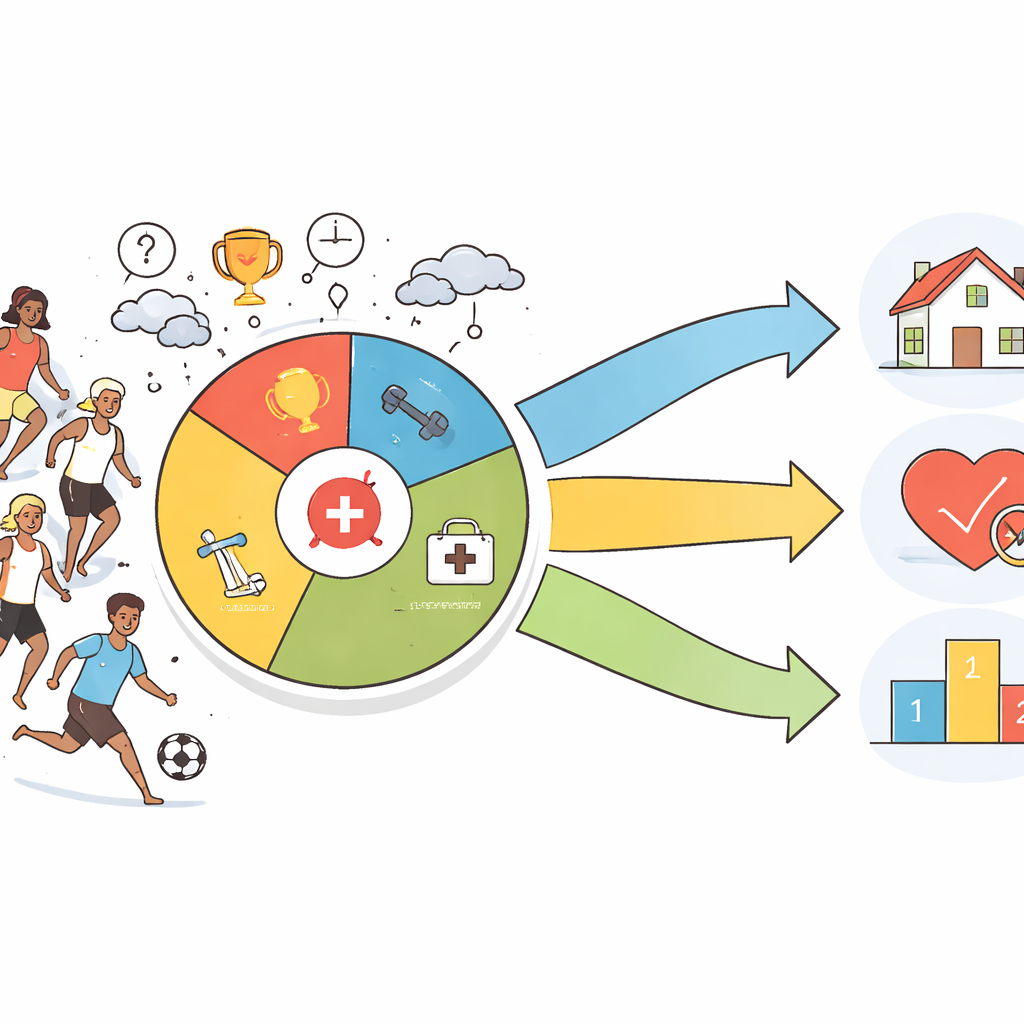
BEA adapts an existing clinical tool called the Bull’s-Eye Values Survey to the world of athletes. The instrument focuses on four broad areas: competition, training, preparation and recovery, and life outside of sport. For each area, athletes first describe in their own words what matters most to them. They then place a mark on a dartboard-like target to show how closely their behavior over the past week has matched those values—the closer to the bull’s-eye, the more aligned their actions have been. They also identify obstacles that get in the way and rate how strongly these barriers interfere, both in their sport and in their life beyond sport. Finally, they outline specific actions they could take to move closer to the bull’s-eye in each area.
Putting the Tool to the Test
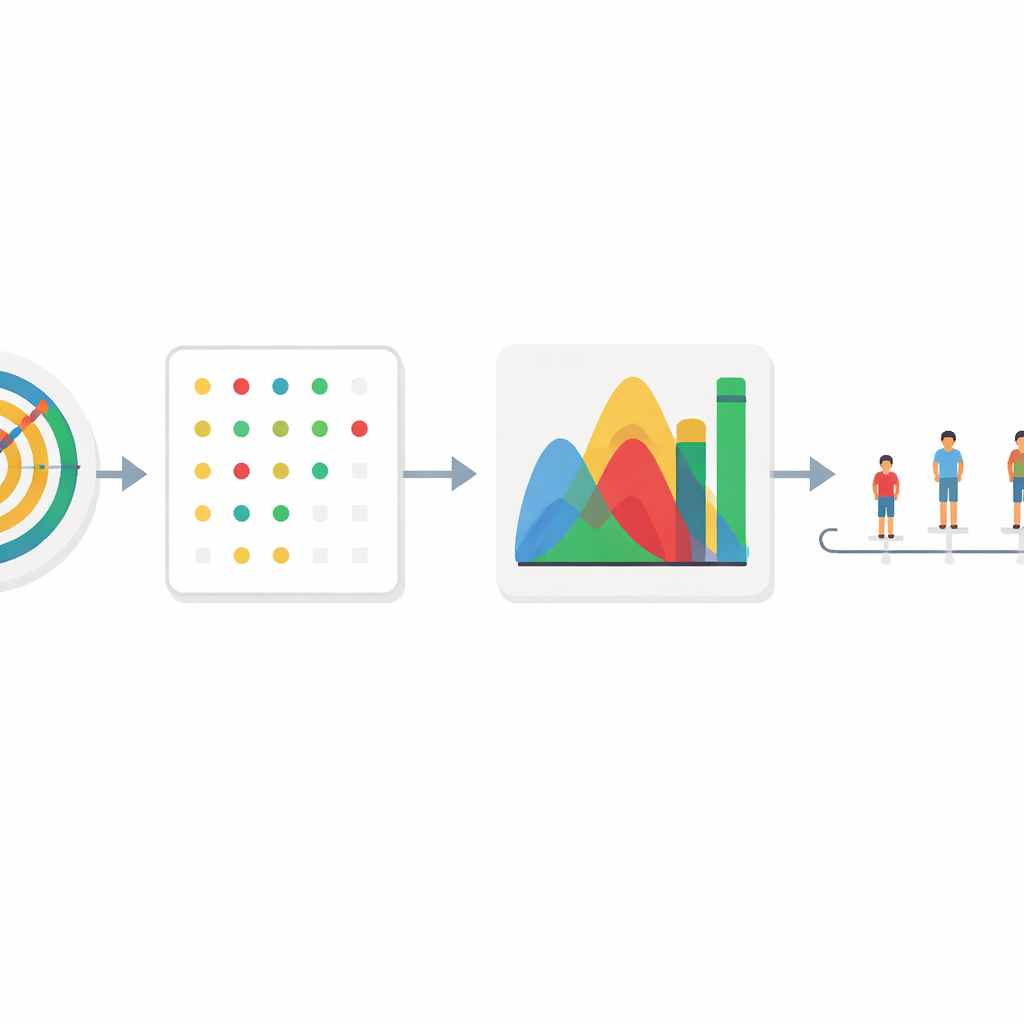
To see whether BEA works as a serious scientific measure, the researchers asked 155 Swedish athletes, ranging from junior elites to international-level competitors in mostly team sports, to complete it online. The team then used a modern psychometric approach (Rasch analysis) that tests whether the items in a questionnaire fit together as a single, coherent scale and whether the response options behave in an orderly way. They examined whether BEA scores could be interpreted on one underlying dimension, whether items worked similarly for different groups (for example by sex, age, or sport type), and whether the tool produced stable results over time.
What the Numbers Revealed
The analyses showed that BEA behaved as a single, overall measure of how consistently athletes live according to their values in and around sport. Two items—competition and training—initially had more response options than athletes seemed to use meaningfully, so the researchers merged some neighboring categories. After this adjustment, the response patterns looked orderly and usable. Importantly, the items did not favor particular subgroups: men and women, younger and older athletes, different competitive levels, sport types, and injury status all showed similar item functioning. Over a roughly two-week period, the properties of the items themselves remained stable. While statistical estimates of reliability were modest—partly because the scale has only four items—the measure still distinguished reasonably between athletes who were more or less aligned with their values.
Linking Values to Well-Being and Performance
To understand what BEA scores actually reflect, the researchers compared them with several other psychological scales. Athletes who reported acting more in line with their values also tended to report greater life satisfaction and more progress toward what they found meaningful in life in general, and fewer feelings of being blocked from such a life. Higher BEA scores were associated with less rigid, avoidance-based responding to difficult thoughts and feelings, less worry about performance, more self-confidence, and lower “amotivated” feelings about whether to continue in sport. BEA scores also showed a moderate relationship with athletes’ own ratings of how well they had performed during the past week, suggesting that values-consistent behavior and perceived performance may go hand in hand, even if BEA is not a pure performance scale.
What This Means for Athletes and Coaches
Overall, the study concludes that Bull’s-Eye for Athletes is a promising way to capture how closely athletes’ day-to-day actions match the kind of athlete and person they want to be. It can double as a conversation tool in coaching or psychological support, helping athletes clarify values, recognize obstacles, and plan concrete steps toward more meaningful participation in sport. The authors caution that the scale is short and its reliability should be improved—perhaps by refining the response options and testing it with larger and more diverse groups of athletes. Still, BEA offers an early, structured way to bring questions of purpose and direction into the heart of sport, where they may support both well-being and performance over the long term.
Citation: Reinebo, G., Johansson, M., Jansson-Fröjmark, M. et al. Bull’s-Eye for Athletes (BEA): a measure of values-based behavior in sport and a psychometric evaluation using Rasch analysis. Sci Rep 16, 13405 (2026). https://doi.org/10.1038/s41598-026-50333-4
Keywords: sport psychology, athlete values, measurement tools, motivation in sport, well-being in athletes