Clear Sky Science · en
Dietary assessment of elite orienteering athletes
Why what athletes eat really matters
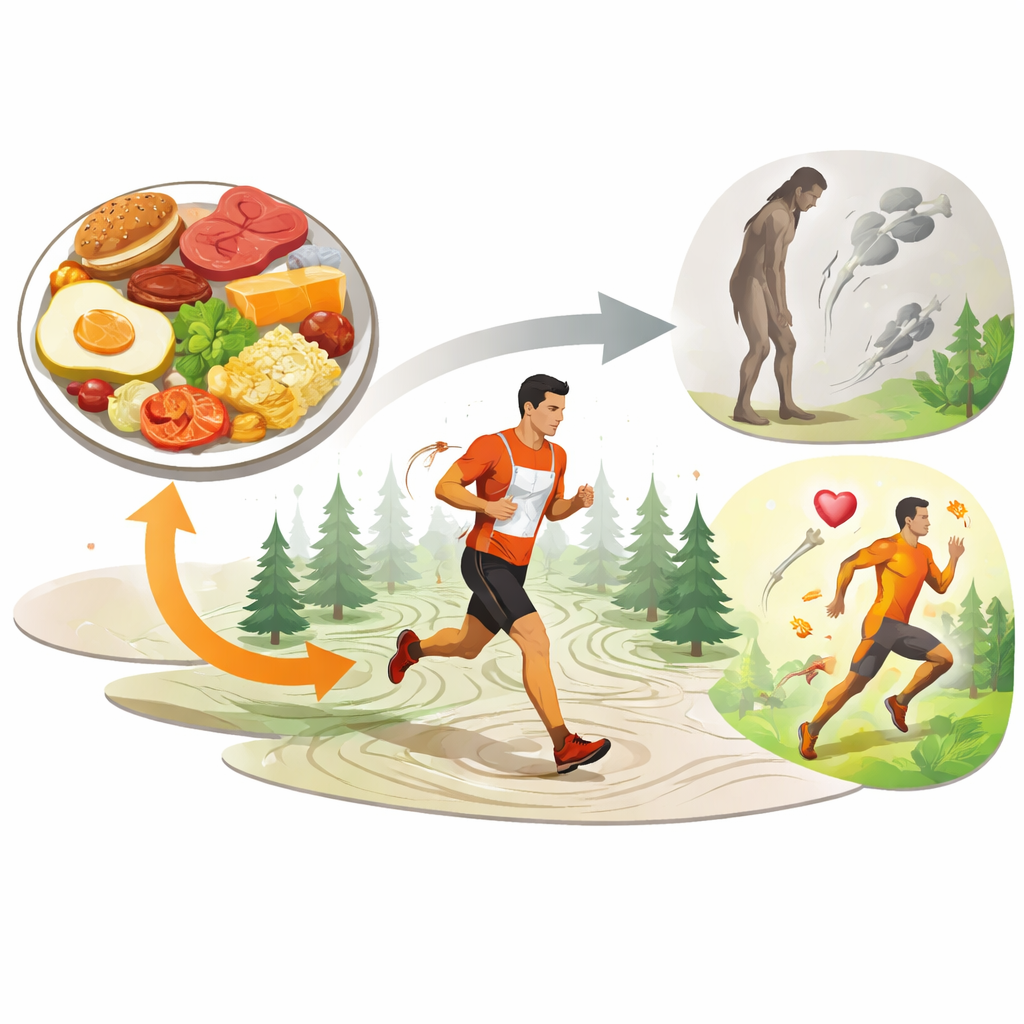
Imagine racing through unfamiliar forests, sprinting uphill while constantly checking your surroundings to avoid getting lost. That is orienteering, a sport that taxes both body and brain. This study asks a simple but important question: are elite orienteering athletes eating in a way that truly fuels such demanding performances and protects their long‑term health? By carefully tracking what these top competitors consumed over several days, the researchers reveal a pattern of surprising nutritional gaps and excesses that matter not just for medal chances, but for bones, hearts, and immune systems.
Who these athletes are and how their diets were tracked
The research team studied 20 elite orienteering athletes—eight men and 12 women—competing at a major international event in Spain. These runners are among the best in the world, used to high training volumes and long, intense races that demand both endurance and sharp thinking. Each athlete weighed and recorded everything they ate and drank over four days, including one weekend day. Specialized software then translated these food records into detailed estimates of energy (calories), major nutrients such as carbohydrate, protein, and fat, and a wide range of vitamins and minerals. The scientists compared these intakes with widely accepted reference values that indicate the amounts needed for good health, and with sport‑specific guidelines for endurance performance.
Too few calories and carbs, too much fat and protein
Despite their heavy training and racing load, most athletes did not eat enough overall energy. On average they consumed just over 2,100 kilocalories per day, and only one in twenty met the recommended range for their age and sex. The clearest shortfall was in carbohydrates—the body’s fastest and most efficient fuel for hard exercise and for the brain. Carbohydrates supplied only about 43% of daily energy, well below usual sports guidelines. In contrast, both fat and protein contributed more than recommended, suggesting that foods rich in oils, meats, and dairy were crowding out bread, pasta, grains, fruits, and starchy vegetables. This skewed pattern may leave muscle energy stores only partially refilled between training sessions and races, potentially harming performance and sharpening fatigue.
Hidden gaps in minerals and vitamins
When the team looked at minerals, they found that calcium and zinc were the weak spots, while sodium and phosphorus were often too high. Only a quarter of the athletes reached the recommended calcium intake, and even fewer met the target for zinc. Calcium is central to bone strength and stress‑fracture prevention, while zinc supports immune defenses and recovery—key concerns for athletes who train hard year‑round. At the same time, most athletes took in far more sodium than advised, mainly from salty and processed foods, and more than double the suggested amount of phosphorus, commonly found in meats, dairy, and some additives. These patterns may, over time, put extra strain on cardiovascular and bone health. Vitamin intake told a mixed story: most athletes easily met or surpassed needs for vitamins A, C, E, and the B‑group, but vitamin D lagged behind, with only three in ten reaching recommended levels. Because vitamin D works together with calcium to support bones, low intakes of both raise a red flag.
What this means for performance and health
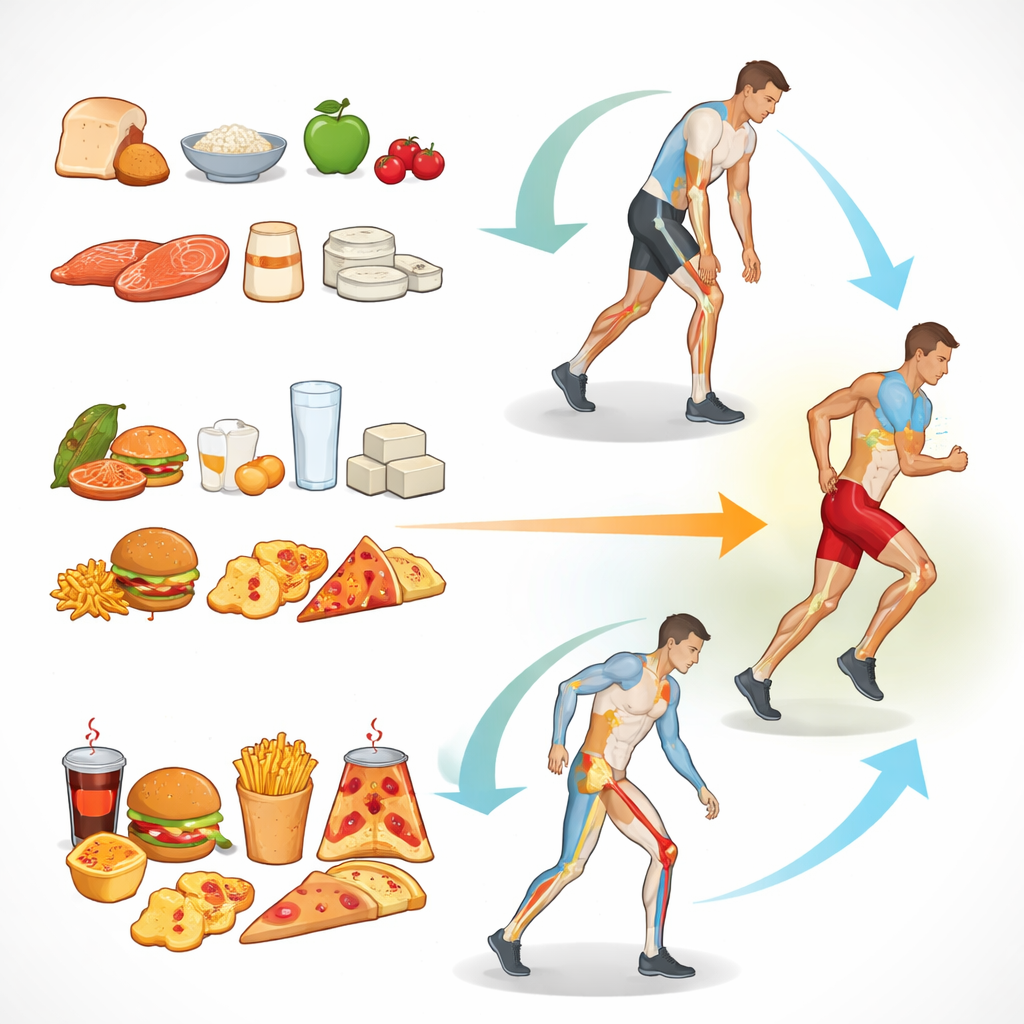
The overall picture is of athletes who are dedicated to their sport yet not consistently eating in a way that matches its demands. Too few calories and too little carbohydrate may leave them underfueled for long runs and sharp navigation decisions, while excess fat and protein do not fully compensate and may displace the foods that could better refill energy stores. Meanwhile, shortfalls in calcium, zinc, and vitamin D, combined with excess sodium and phosphorus, may quietly undermine bone resilience, recovery, and long‑term health, even if race results currently look strong. The authors argue that these elite orienteers would benefit from tailored nutrition plans that raise energy and carbohydrate intake, moderate saturated fat, and improve sources of key minerals and vitamin D, relying on food first and using supplements only when truly necessary. For athletes and active people alike, the message is clear: peak performance is not just about training harder, but also about eating smarter.
Citation: Machowska-Krupa, W., Cych, P., Demidas, A. et al. Dietary assessment of elite orienteering athletes. Sci Rep 16, 14536 (2026). https://doi.org/10.1038/s41598-026-45581-3
Keywords: orienteering nutrition, endurance athletes, sports diet, micronutrient intake, vitamin D and calcium