Clear Sky Science · en
Association between prenatal exposure to residential pyrethroid insecticides and congenital hypothyroidism using propensity score matching
Why this matters for everyday families
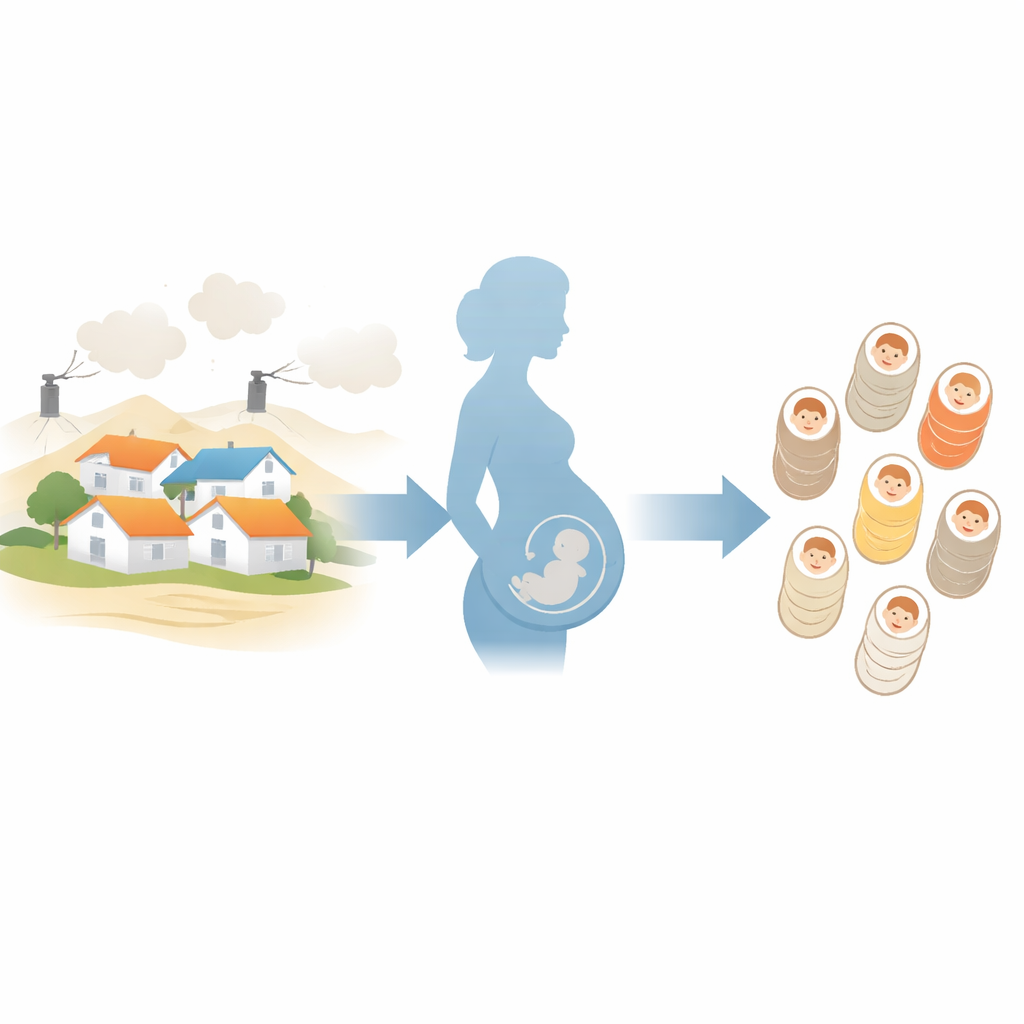
Many households rely on insect sprays to keep disease-carrying bugs at bay. In parts of Iran where leishmaniasis, a sandfly-borne disease, is common, powerful insecticides are routinely sprayed in and around homes. This study asks a question of broad concern to parents and public health officials alike: could these indoor chemicals, used to protect families, unintentionally increase the risk of thyroid problems in newborns?
Bug control and baby health
The research focuses on a group of insect killers called pyrethroids, especially a subtype known as Type II, which includes products like deltamethrin. These chemicals are widely used because they are effective against insects and relatively easy to apply on walls, bed nets, and in fogging operations. At the same time, congenital hypothyroidism—a condition in which babies are born with an underactive thyroid gland—is unusually common in Iran. Because thyroid hormones are crucial for brain development and growth in early life, even small disruptions during pregnancy can have lasting effects. The question the researchers posed was whether regular use of pyrethroid insecticides in residential areas might be linked to this high rate of thyroid problems in newborns.
Following thousands of mothers and babies
The team examined health records for all mothers and newborns from 2017 to 2022 in eastern Isfahan province, a region that is both a hotspot for leishmaniasis and an area with high rates of thyroid disorders. They identified babies diagnosed with congenital hypothyroidism through Iran’s national screening program and compared them with healthy newborns from the same communities. Using detailed records of where and when insecticides were sprayed or fogged, along with geographic mapping, they assessed which mothers likely lived close to treated areas during each stage of pregnancy. Advanced matching techniques were used to ensure that mothers in the exposed and unexposed groups were as similar as possible in terms of age, weight, education, pregnancy complications, and other factors that might influence a baby’s thyroid health.
When timing of exposure matters
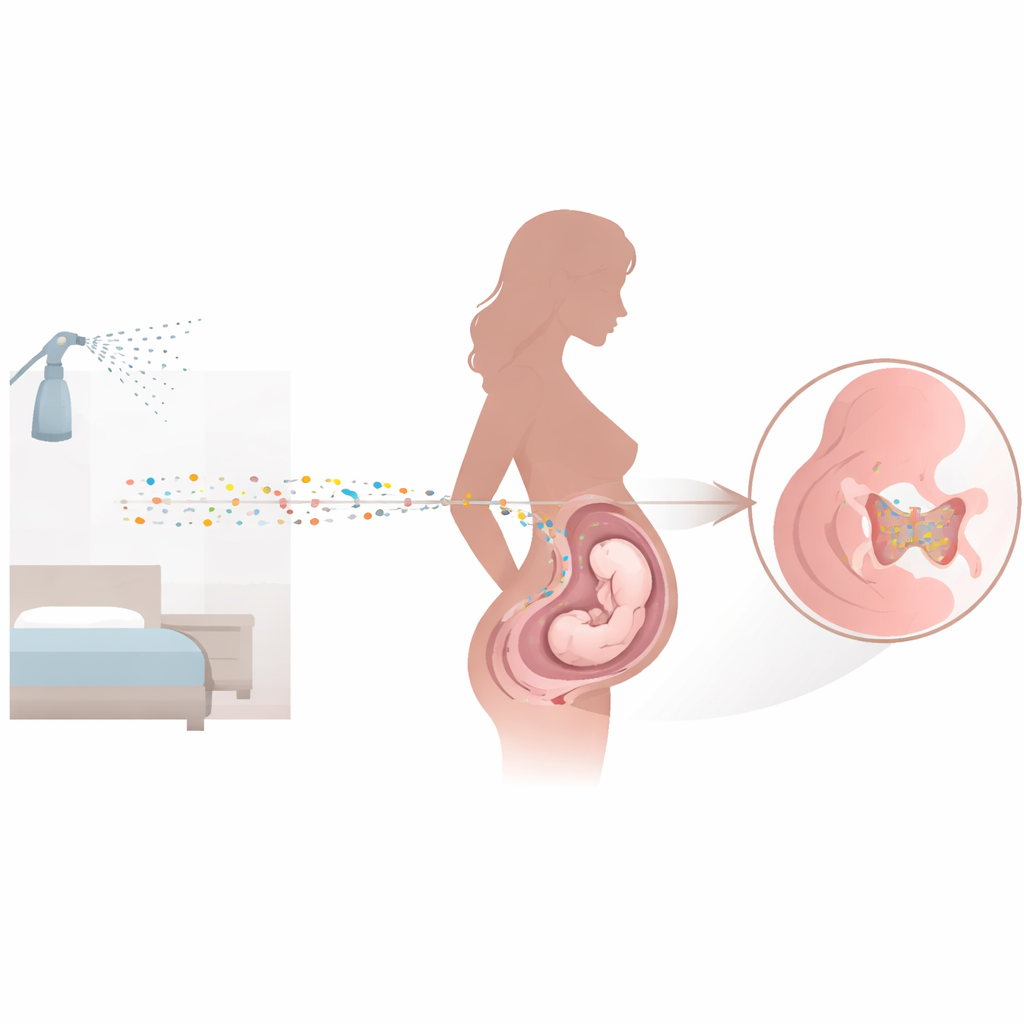
After carefully balancing the two groups, the researchers analyzed how exposure during each trimester related to the odds of a baby being born with hypothyroidism. They found that living in areas where pyrethroid insecticides were used during pregnancy was linked to a higher chance of the condition overall. The link was strongest when mothers were exposed during the second trimester, roughly the middle third of pregnancy, when the fetal thyroid system is becoming more active. During this period, exposed mothers were estimated to have about three times the odds of having a baby with congenital hypothyroidism compared with non-exposed mothers, even after accounting for birth weight, gestational age, and other key influences. Total exposure summed across the entire pregnancy also showed a clear association with increased risk.
How insect sprays could disturb tiny glands
Although this study did not measure chemicals directly in the body, it builds on earlier laboratory and human research suggesting that pyrethroids can interfere with the way thyroid hormones are made, transported, and used. These compounds, or their breakdown products, may bind to proteins that normally carry thyroid hormones in the blood, cross the placenta, and accumulate in fetal tissues. Experiments in animals show that such disruptions can lower thyroid hormone levels and alter the genes that control thyroid function. Because a baby’s developing brain depends on a steady supply of these hormones, even modest interference at the wrong moment of pregnancy could raise the risk of lasting problems.
What this means for public health choices
For non-specialists, the main takeaway is not that insect control should be abandoned, but that its potential side effects on unborn children must be taken seriously. This study, one of the first to directly link routine indoor use of pyrethroid insecticides to diagnosed congenital hypothyroidism, suggests that the middle months of pregnancy may be a particularly sensitive period. While more long-term research is needed to confirm cause and effect and to explore safer alternatives, the findings support a cautious approach: reducing unnecessary indoor spraying, improving ventilation, and considering less disruptive pest-control methods could help protect both families from leishmaniasis and babies from avoidable thyroid harm.
Citation: Heidari, A., Ebrahimi, A., Mirkhalafzadeh, M. et al. Association between prenatal exposure to residential pyrethroid insecticides and congenital hypothyroidism using propensity score matching. Sci Rep 16, 9900 (2026). https://doi.org/10.1038/s41598-026-39464-w
Keywords: prenatal insecticide exposure, pyrethroids, congenital hypothyroidism, thyroid and pregnancy, environmental health