Clear Sky Science · en
Effects of vitamin D supplementation during autumn and winter on blood biomarkers and physical performance in runners and non runners
Why winter sunlight and fitness collide
As days grow shorter and colder, many people—whether they run marathons or rarely lace up their sneakers—quietly lose an essential nutrient: vitamin D. This study asks a question with broad appeal to anyone who cares about health, immunity, or exercise: can a simple daily vitamin D strip taken through the darkest months keep our blood levels healthy, support the immune system, and even improve physical performance in both runners and non-runners?

What the researchers wanted to find out
Vitamin D is mostly made in our skin when it meets sunlight, and levels typically dip in autumn and winter. Low levels are linked to weaker bones, muscle problems, and a less effective immune system. Athletes often hope vitamin D might also boost strength and endurance, but earlier results have been mixed. In this project, Italian researchers followed 45 healthy adults from October to March, including regular outdoor runners and generally active non-runners. Half of each group took a daily 2000 IU vitamin D₃ strip for eight weeks, while the others took no supplement, allowing the team to track how sunlight, training habits, and supplements together shaped vitamin D levels, blood cells involved in immunity, and physical performance over time.
How the study was set up
Participants were divided into four groups: supplemented runners, unsupplemented runners, supplemented non-runners, and unsupplemented non-runners. Everyone was tested three times: in mid-autumn before supplementation, in late autumn after eight weeks of daily vitamin D, and in late winter, twelve weeks after stopping supplementation. At each stage, the researchers measured blood vitamin D and several types of white blood cells, including neutrophils, which are front-line defenders against infection. They also assessed leg strength with a maximal pushing test, jump height to gauge explosive power, and aerobic fitness with treadmill tests or carefully calibrated walking tests. Diet, training routines, and even local sunlight and temperature were monitored so that changes could be linked more clearly to the supplement rather than to lifestyle or weather alone.
What happened to vitamin D and immune cells
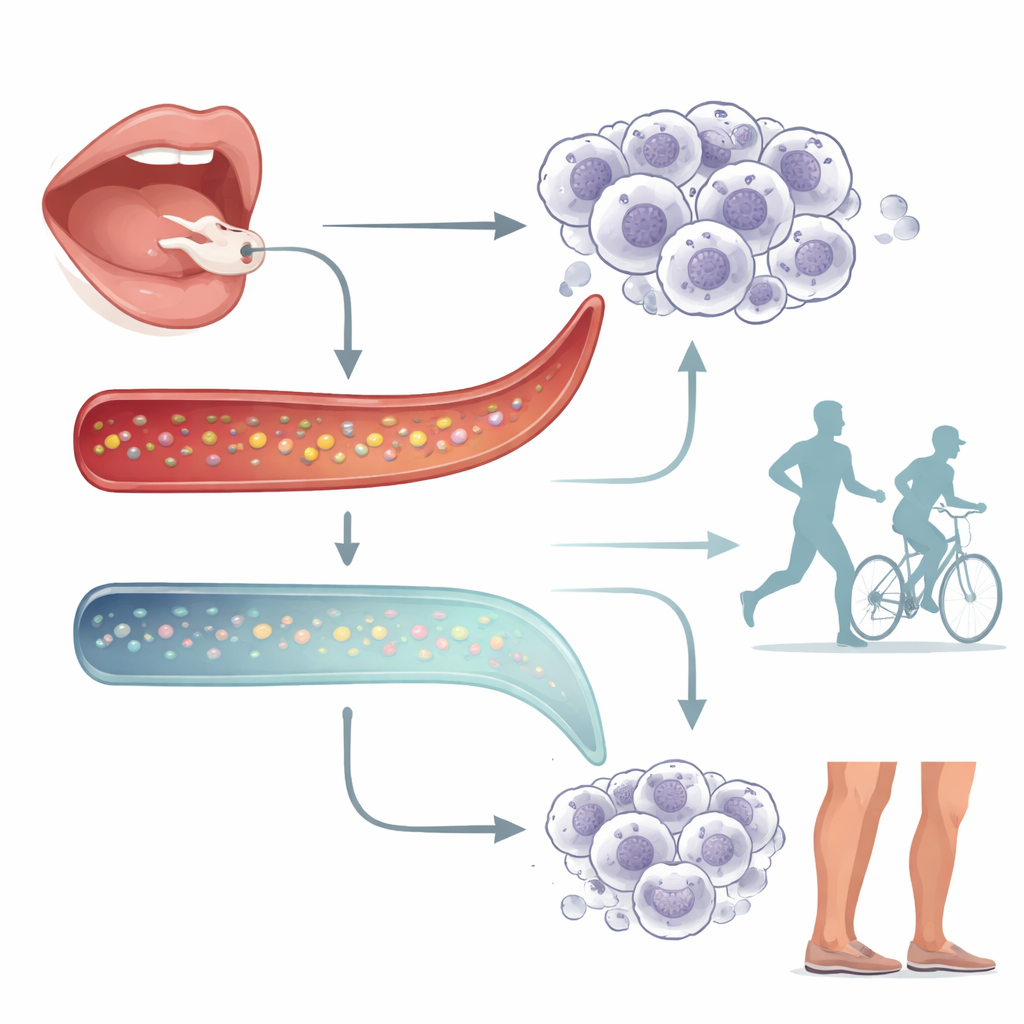
The supplement worked as intended—at least in the short term. After eight weeks, both runners and non-runners who took vitamin D showed clear rises in blood vitamin D levels, often moving from borderline or low values into a healthier range. In contrast, non-runners who did not supplement saw a sharp drop, reflecting their limited outdoor exposure and the seasonal fall in sunlight. Runners who skipped supplementation were somewhat protected by training outside, and their levels stayed roughly stable at first. By late winter, however, vitamin D levels had fallen in every group, including those who had previously supplemented, underscoring how quickly gains can fade once extra intake stops. In the bloodstream, white blood cell profiles also shifted: people who did not take vitamin D, especially non-runners, tended to show a steady decline in total white cells and neutrophils over the winter months, while supplemented participants maintained a more stable immune cell picture.
What happened to strength and stamina
Despite these clear changes in blood markers, the supplement did not translate into better athletic performance. Measures of aerobic capacity—how much oxygen runners and non-runners could use at maximum effort—stayed essentially unchanged across all groups. Jump height, a stand-in for explosive leg power, also showed no meaningful shifts. Leg-press strength displayed a slight upward trend in the supplemented participants after two months, but this pattern did not reach the level scientists consider strong evidence, and it faded later. In other words, while vitamin D helped maintain healthier blood levels and steadier immune profiles, it did not act as a shortcut to faster times, higher jumps, or better endurance over the course of this study.
What this means for everyday life
For the general public, the message is both reassuring and sobering. A modest daily vitamin D₃ supplement taken in autumn and early winter can help prevent the seasonal slide into low vitamin D levels, whether you are an outdoor runner or mostly indoors. It also seems to buffer some wintertime drops in certain immune cells that help fight infections. However, this dose and duration did not give healthy adults an extra edge in aerobic fitness or explosive strength. In practical terms, vitamin D in winter should be viewed as a simple tool to support overall health and immune balance—especially if you get little sun—rather than a performance enhancer that can replace consistent training, good nutrition, and rest.
Citation: Gervasi, M., Fernández-Peña, E., Zeppa, S.D. et al. Effects of vitamin D supplementation during autumn and winter on blood biomarkers and physical performance in runners and non runners. Sci Rep 16, 10094 (2026). https://doi.org/10.1038/s41598-026-38528-1
Keywords: vitamin D supplementation, winter immunity, endurance runners, exercise performance, nutritional health