Clear Sky Science · en
Colonoscopy and fecal immunochemical testing versus usual care in diagnostic colorectal cancer screening: the SCREESCO randomized controlled trial
Why this study matters for everyday health
Colorectal cancer is one of the most common cancers worldwide, but it can often be prevented or cured if found early. Doctors have two main tools to look for warning signs in people who feel healthy: a camera exam of the bowel (colonoscopy) and a home stool test that looks for hidden blood. This large Swedish trial, called SCREESCO, followed more than a quarter of a million 60‑year‑olds to ask a simple but crucial question: when these screening strategies are compared with doing nothing special beyond usual medical care, do they really find cancers earlier—and at what cost in terms of side effects?
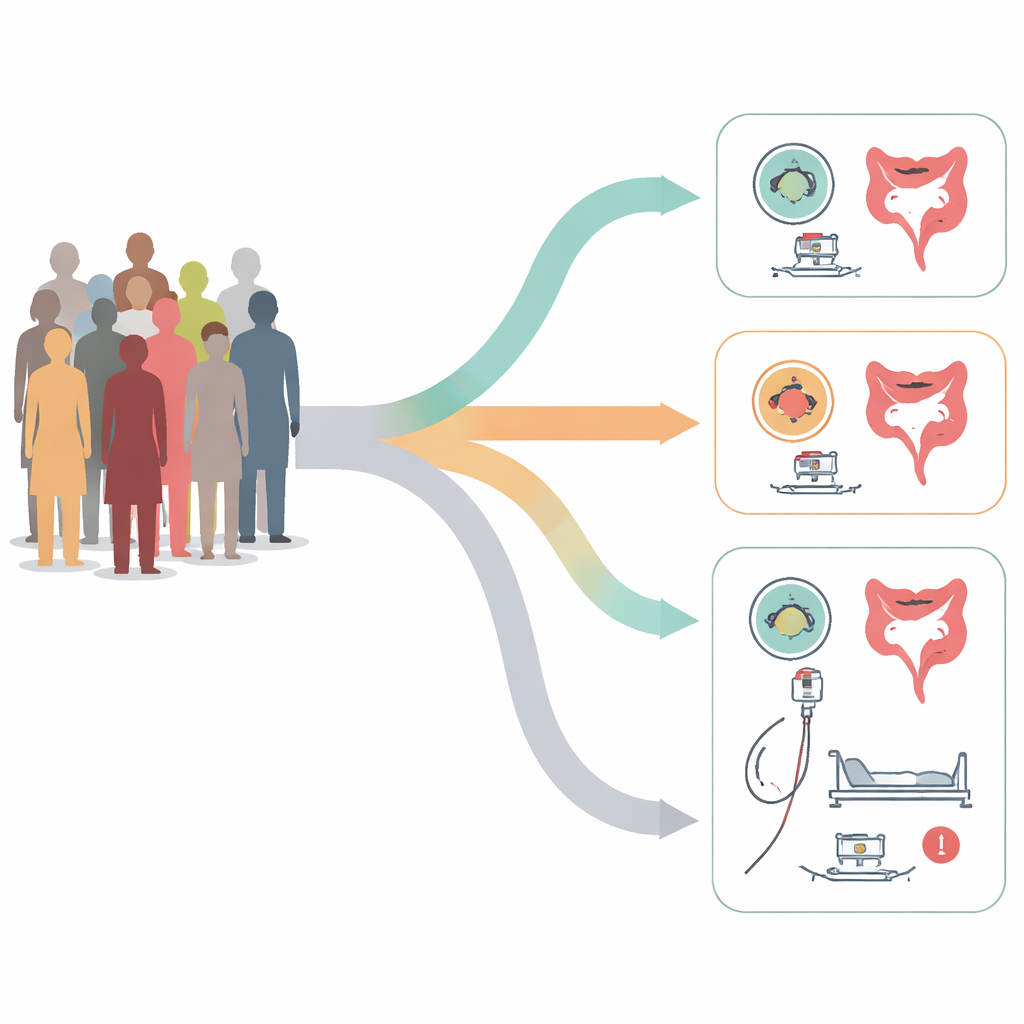
How the trial was set up
Researchers randomly assigned 278,051 people across most regions of Sweden to one of three groups. One group was invited to have a one‑time colonoscopy. A second group was invited to do two rounds of a stool test, two years apart, using a very sensitive method called a fecal immunochemical test (FIT). If this test showed blood in the stool, those people were then offered colonoscopy. The third group received no special invitations and simply continued with usual healthcare, making them a real‑world comparison group. Because people were assigned by chance and came from across the country, the groups were similar in age, medical history, and other background factors.
What the researchers measured
The team focused on what happened during the first several years after invitations went out, which they called the diagnostic phase (2014–2020). They looked at how many colorectal cancers were diagnosed in each group and, importantly, whether those cancers were caught at an early stage (I–II) or a more advanced stage (III–IV). Early‑stage cancers are usually easier to treat and more likely to be cured. The researchers also tracked hospital visits for heart and blood vessel problems, serious gut problems such as bleeding or perforation, and deaths from any cause. This allowed them to weigh potential benefits of earlier cancer detection against possible harms from screening procedures.
What the study found about cancer detection
Over a median follow‑up of nearly five years, the total number of colorectal cancers was similar between people invited to screening and those receiving usual care. However, there was a clear shift in when and how cancers were found. In both the colonoscopy and FIT groups, more cancers were diagnosed at an early stage, especially in the first year after randomization, when most screening exams were done. At the same time, the rate of advanced cancers tended to be lower in the screening groups, particularly in the FIT arm after about four years. Only about one‑third of cancers in the screening groups were found directly through the trial procedures; the rest were picked up in ordinary healthcare. Still, the pattern suggests that organized screening brings tumors to light sooner, before they have grown or spread.
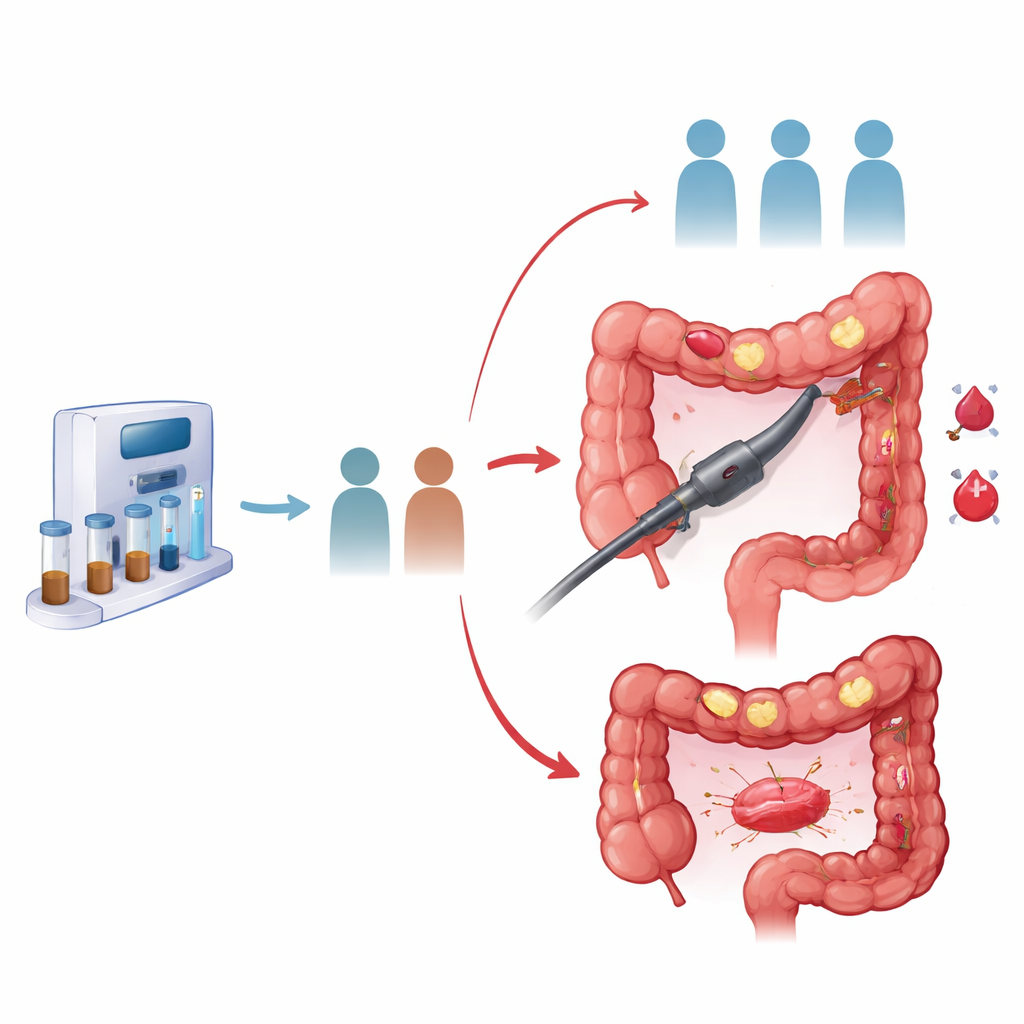
The tradeoffs in side effects and safety
Screening is not risk‑free, especially when colonoscopy is involved. During the first year, people in both screening groups had slightly higher rates of hospital‑treated heart and circulation problems and gut complications than those in usual care. In the FIT group, there was a modest, lasting increase in gut bleeding events and in blood clots in the veins, likely linked to colonoscopies after positive tests and to temporary changes in blood‑thinning medications. However, when the researchers looked across the entire follow‑up period, overall rates of serious heart problems and deaths from any cause were essentially the same in screened and unscreened groups. Serious colonoscopy‑related complications, such as perforation, were rare.
What this means for patients and policy
For people deciding whether to take part in colorectal cancer screening, this study offers a nuanced message. Inviting 60‑year‑olds to either a one‑time colonoscopy or repeated, sensitive stool testing leads to more cancers being found at an earlier, more curable stage, and fewer being discovered late. At the same time, screening brings a small bump in short‑term medical risks, particularly around colonoscopy, although it does not appear to raise overall death rates in the medium term. The authors conclude that organized screening likely provides real benefit by catching cancers earlier, but that these gains come with some initial harms that must be managed and explained clearly. Longer follow‑up of the SCREESCO participants, planned through 2030, will show whether these early shifts translate into fewer deaths from colorectal cancer in the long run.
Citation: Westerberg, M., Ludvigsson, J.F., Metcalfe, C. et al. Colonoscopy and fecal immunochemical testing versus usual care in diagnostic colorectal cancer screening: the SCREESCO randomized controlled trial. Nat Med 32, 1278–1285 (2026). https://doi.org/10.1038/s41591-026-04225-9
Keywords: colorectal cancer screening, colonoscopy, fecal immunochemical test, early cancer detection, screening risks and benefits