Clear Sky Science · en
Priority European strategies for sustainable access to high-quality genetic counselling in cancer: A Delphi study
Why this matters for people facing cancer
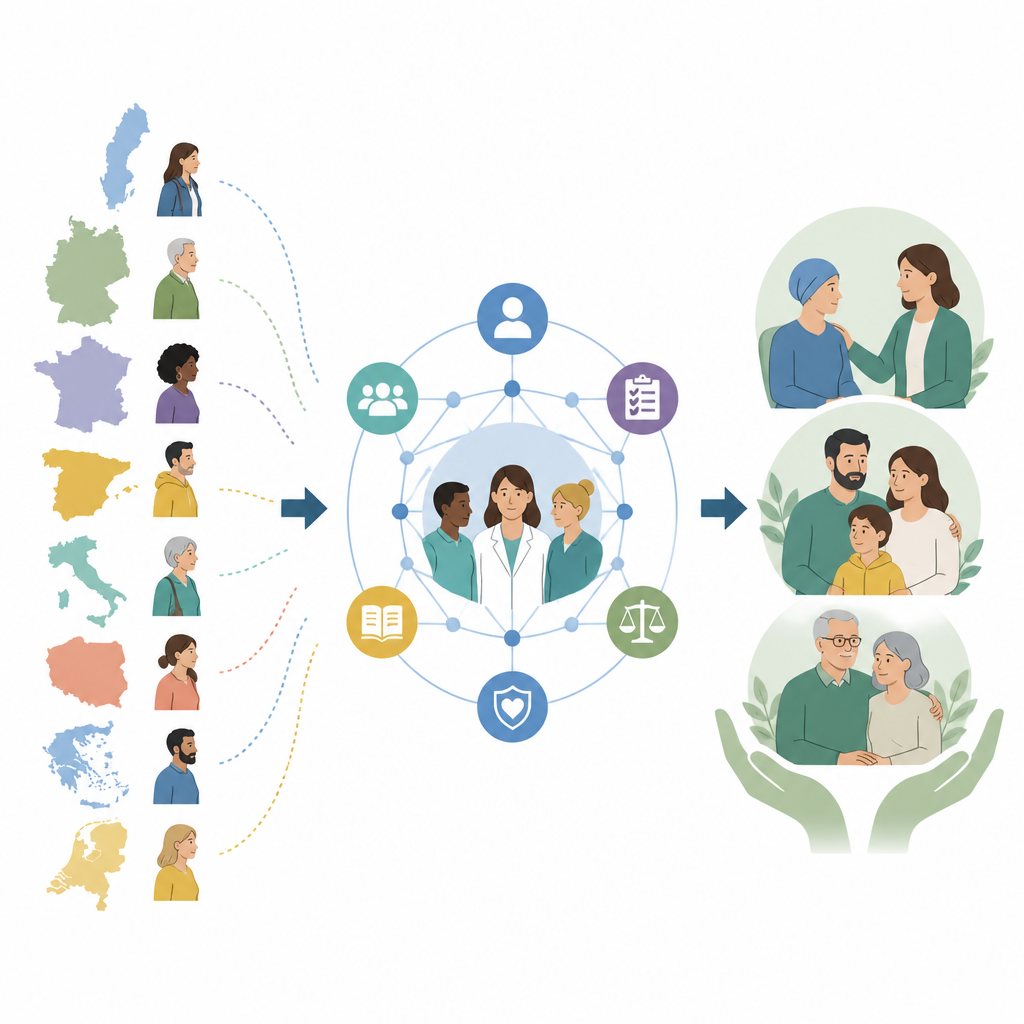
As genetic tests become part of everyday cancer care, many patients still struggle to see a specialist who can explain what those tests really mean for them and their families. This study asked experts and patient advocates from every European Union country to agree on practical steps that would make high quality genetic counselling easier to access, no matter where a person lives.
Growing need for clear guidance
Cancer plans across Europe now place strong emphasis on using genetic information to guide prevention, screening, and treatment. For the small but important share of cancers linked to inherited risk, knowing a person’s genetic makeup can shape life changing decisions. Genetic counselling helps people understand these tests, weigh options, and share information with relatives. However, demand for testing is rising faster than the number of trained professionals, and many health systems lack clear rules on who pays for counselling and how it should be delivered.
Understanding the main obstacles
Earlier work for the CAN.HEAL project highlighted three shared barriers across EU countries. First, many patients and non specialist doctors have low confidence with genetic information, making it harder to identify who needs testing and how to discuss results. Second, there are not enough specialists with deep genetics expertise to meet the growing workload. Third, rules on paying for counselling vary widely, and in some countries patients or hospitals bear much of the cost even when counselling is legally required. These problems appear in nearly all member states, suggesting that coordinated European action could be more effective than isolated national efforts.
How experts built a common roadmap
The researchers used a structured consensus method called a Delphi survey to gather opinions from 77 people: clinical genetic doctors, cancer doctors, genetic counsellors, and cancer patient representatives. Participants from all 27 EU member states rated 19 possible strategies on how important, urgent, and realistic they seemed, and then ranked their personal top choices. This process unfolded over three rounds, with feedback between rounds so people could see how others had scored each idea and adjust their views if they wished. The goal was not perfect agreement, but a clear sense of which solutions had the broadest and strongest support.
Five priority actions for Europe
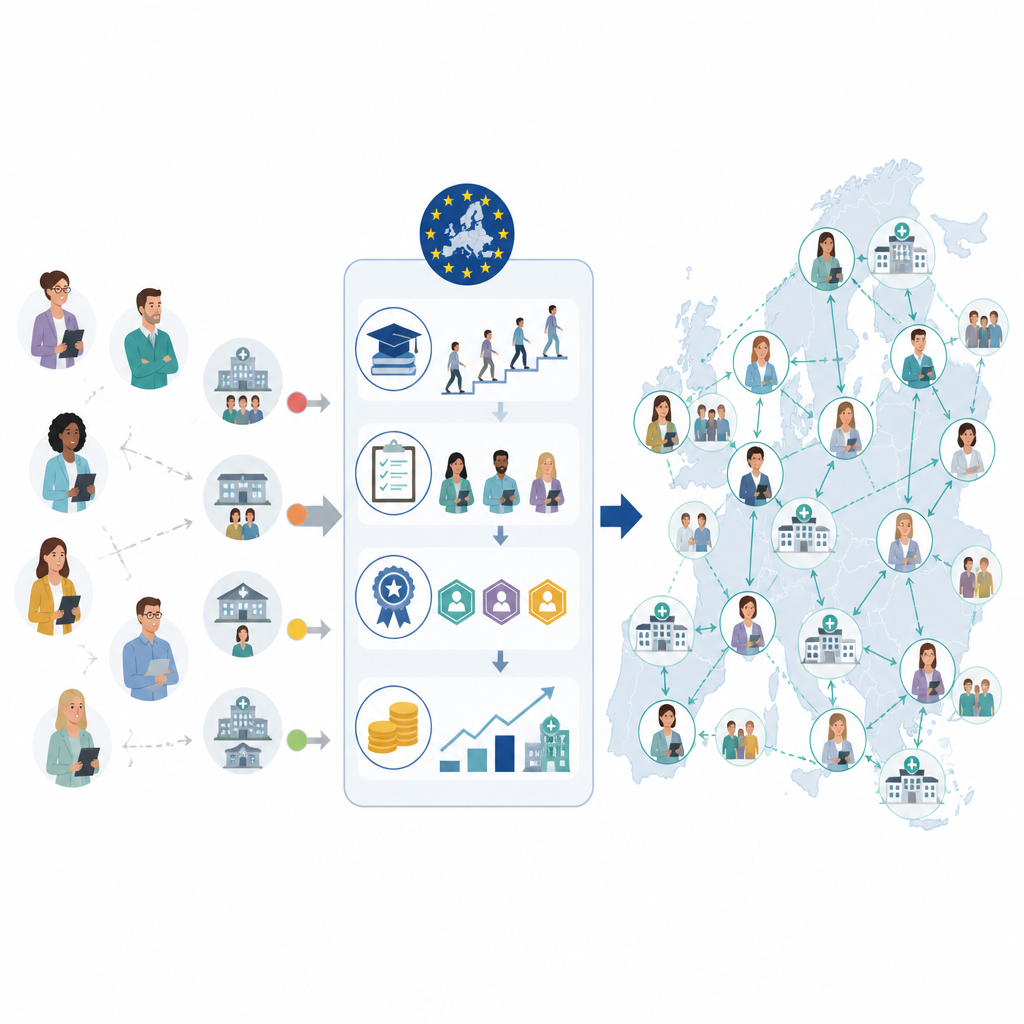
The group converged on five strategies that stood out as both important and urgent, while still reasonably achievable. The highest ranked was formal recognition across the EU of genetic counsellors as a distinct health profession qualified to provide counselling in cancer. Closely linked was the call for a shared European system to register and train these counsellors in a consistent way that carries legal weight in member states. The experts also backed guaranteed payment for counselling whenever clinical guidelines say it should be offered, so that costs do not prevent patients from receiving it.
Strengthening cancer teams with genetics
Two further priorities focused on weaving genetics more tightly into everyday cancer care. One is to ensure that specialists in genetics are always involved in writing and updating national and European cancer treatment guidelines, so that testing and counselling are used consistently and appropriately. The other is to make genetics a mandatory part of training and ongoing education for cancer doctors, helping them recognize inherited risk and know when to refer patients for in depth counselling. While different stakeholder groups weighed these priorities slightly differently, all five strategies met agreed thresholds for importance and urgency.
What this means for patients and families
In plain terms, the study sets out a clear and realistic European action list: recognize and train more genetic counsellors, pay for their services when guidelines call for them, and embed genetics firmly into cancer guidelines and oncology education. If these steps are carried out, more people with cancer and their relatives should be able to speak with qualified experts in time to make well informed choices about testing, treatment, and prevention. Ongoing EU projects are already starting to turn this roadmap into concrete policies, bringing the goal of fair access to genetic counselling for all cancer patients closer to reality.
Citation: McCrary, J.M., Van Valckenborgh, E., Horgan, D. et al. Priority European strategies for sustainable access to high-quality genetic counselling in cancer: A Delphi study. Eur J Hum Genet 34, 704–714 (2026). https://doi.org/10.1038/s41431-026-02015-y
Keywords: genetic counselling, cancer care, personalised medicine, health policy, European Union