Clear Sky Science · en
Dietary inflammatory index and objective disease activity in IBD: no association found
Why this study matters to everyday life
Many people with inflammatory bowel disease worry that what they eat might trigger painful flares, while others hope that changing their diet could calm the gut. This study looked closely at how "inflammatory" someone’s usual diet appears to be, how much body fat they carry, and how active their bowel disease is when doctors look directly at the intestine, offering a clearer picture than symptoms alone.
Looking at gut disease from the inside
Inflammatory bowel disease, which includes Crohn’s disease and ulcerative colitis, is a long lasting condition where the body’s own defenses attack the digestive tract. Doctors can measure how active the disease is using cameras and scans that show ulcers and inflamed areas. The researchers in Brazil enrolled adults with these conditions who were being seen at a large hospital clinic. They grouped them into two categories: those whose bowels looked calm on recent scopes or scans, and those whose tests still showed clear signs of inflammation.
Measuring body fat and daily eating habits
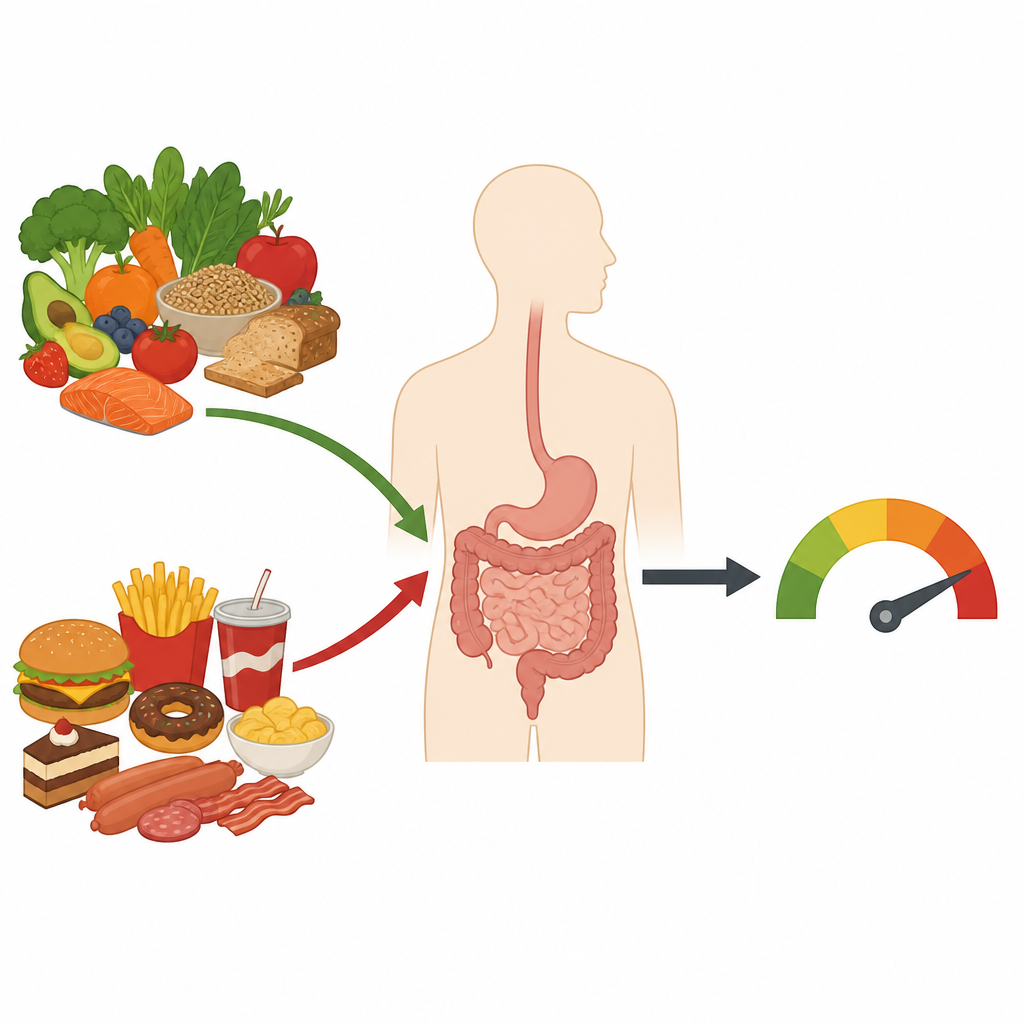
To understand the role of body fat, the team measured weight, height, and waist and hip size to see who had excess weight and who carried more fat around the belly. They also asked each person in detail about how often they ate different foods, from fruits and vegetables to processed snacks and sugary drinks. From these answers they calculated a dietary inflammatory index, a score that estimates how likely someone’s usual eating pattern is to stir up inflammation in the body. Higher scores reflect more pro inflammatory eating, typically rich in refined grains, fats, and sugar, and poor in plant foods.
What the numbers revealed
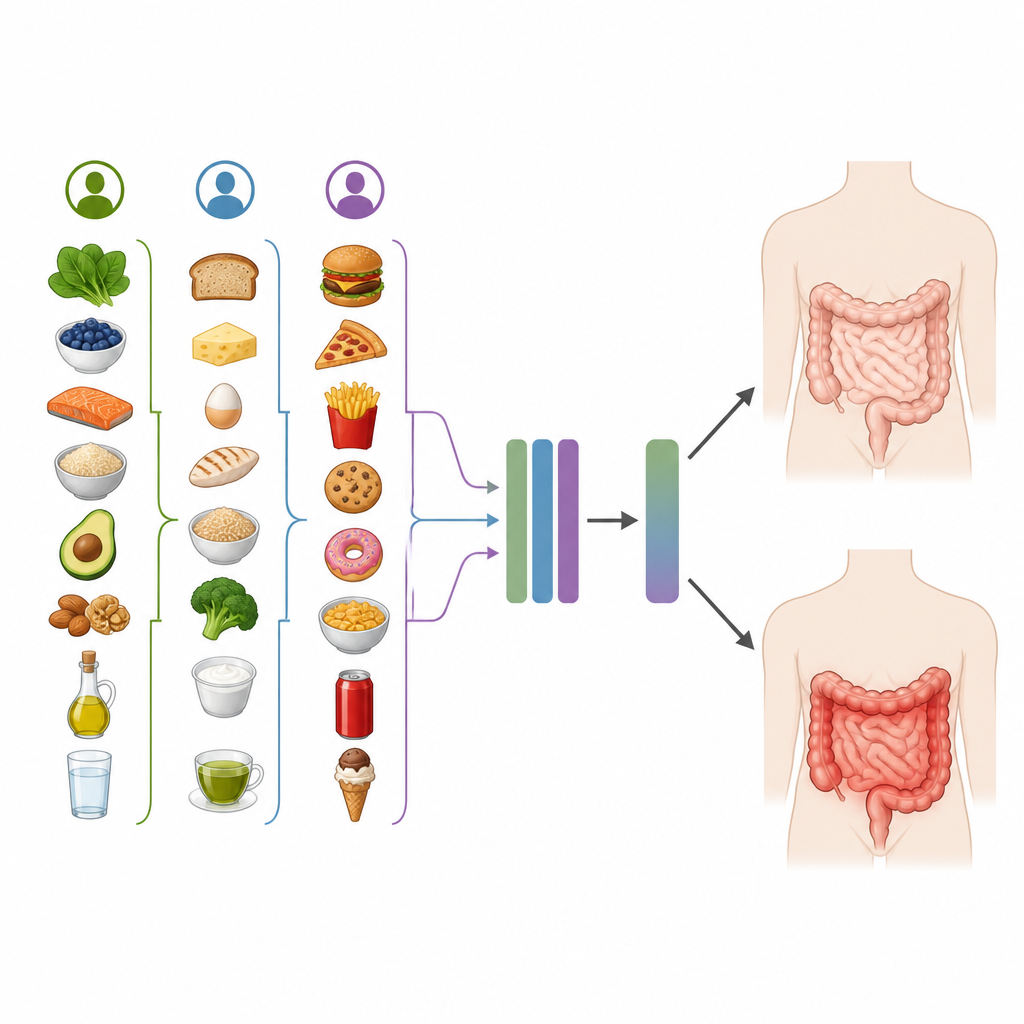
Among the 62 participants, most were middle aged and about two thirds were women. Extra body fat was very common: more than six in ten had overweight or obesity, and half had a large waistline that signals central fat. Surprisingly, those whose bowels looked quiet on scopes and scans were more likely to have extra weight and a thicker waist than those with active disease. When the team examined dietary scores, they found that, on average, people in both groups ate in a way that favored inflammation. Over half landed in the most pro inflammatory category of the index, whether their disease was active or in remission, and there were no clear differences in nutrient intake between the two groups.
How to interpret a lack of link
Even though many patients had pro inflammatory diets and central obesity, these factors did not line up neatly with what doctors saw inside the gut at a single point in time. The authors point out that diet influences inflammation slowly and that a one time snapshot of eating habits and bowel images may miss important ups and downs. The study was also relatively small, and nearly everyone had similarly poor diet quality, which makes it harder to separate trends. Still, the careful use of objective imaging and a validated questionnaire gives weight to the finding that the simple diet score they used does not track closely with short term disease activity in this group.
What this means for patients and care
For people living with inflammatory bowel disease, this research suggests that a more inflammatory eating pattern and excess belly fat are very common, but they do not automatically translate into worse looking bowels on tests at any given moment. That does not mean diet is unimportant: healthier patterns may still help long term gut health, overall wellbeing, and other conditions like heart disease and diabetes. The study highlights the need for larger, long term projects that follow people over years to see how day to day food choices, body fat, gut microbes, and genes interact to shape the course of inflammatory bowel disease.
Citation: de Oliveira, R.M.V., Vasques, A.C.J., Romero, S.A. et al. Dietary inflammatory index and objective disease activity in IBD: no association found. Eur J Clin Nutr 80, 491–497 (2026). https://doi.org/10.1038/s41430-026-01713-6
Keywords: inflammatory bowel disease, diet quality, obesity, dietary inflammatory index, gut inflammation