Clear Sky Science · en
How do overtourism perceptions affect residents’ support?—from the perspective of conservation of resources theory
Why crowded tourism matters to city life
City breaks and famous landmarks attract millions of visitors, but for the people who live there, too many tourists can turn everyday life into a struggle. This study looks at how residents in popular Chinese cities feel when tourism crosses the line from welcome guests to overwhelming crowds, and how those feelings shape whether they want tourism to keep growing. By tracing not only what residents experience, but also how they react emotionally and socially, the research offers clues for building visitor economies that locals can still feel at home in.
When visitors start to feel like a burden
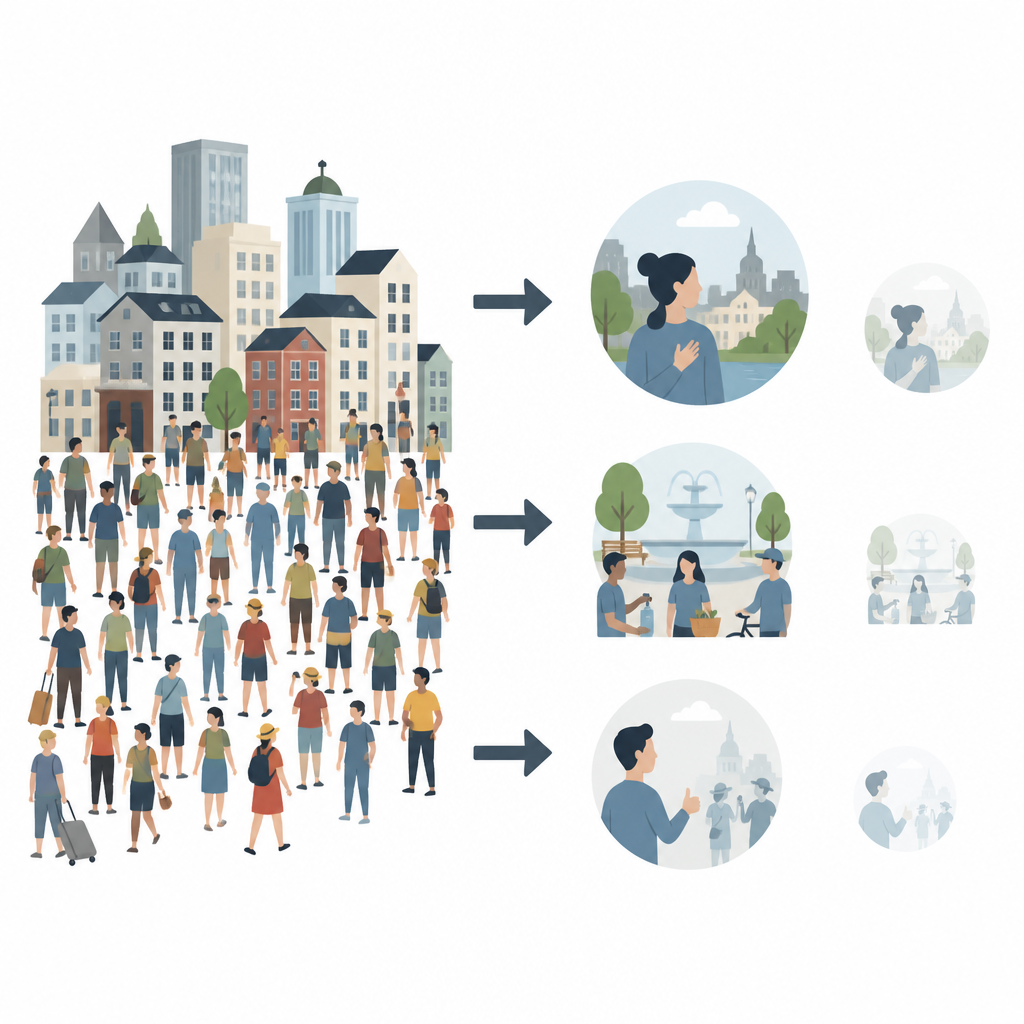
The authors focus on “overtourism,” a situation where visitor numbers become so high that they lower locals’ quality of life and even spoil the experience for tourists themselves. Residents report packed streets, pressure on housing and public transport, and the sense that familiar spaces have turned into backdrops for other people’s holidays. While tourism can bring jobs and better services, this work shows that those benefits do not fully cancel out the discomfort caused by noise, crowding, rising prices, and cultural friction. In many places, negative impressions of tourism are now more common than positive ones, and they directly reduce residents’ willingness to support further tourism growth.
Feeling less attached to home
To understand why, the study draws on a psychological idea that people work hard to protect the things they value, from money and time to safety and a sense of belonging. When residents feel that tourism threatens these resources, they react with stress and pull back their support. Surveying 307 people living in Chinese cities facing overtourism, the researchers found that crowded conditions make residents feel less emotionally attached to their neighborhood and less satisfied with how well their city supports their daily routines. In other words, both the emotional side of “this is my place” and the practical side of “this place works for my life” are weakened when the streets and services feel taken over by visitors.
Comparisons, unfairness, and resentment
Another key piece of the puzzle is how people compare their situation with that of others. In overtouristed cities, residents may see tourists, businesses, and authorities as outsiders who enjoy more of the gains while locals shoulder more of the burdens. The study shows that this sense of being worse off than other groups feeds anger and dissatisfaction. Residents who feel their group is missing out on space, income, or say in decisions are more likely to view tourism as unfair and to oppose further development. The research also finds a chain reaction: as people feel less attached to their city, they are more likely to feel deprived compared with others, which in turn further reduces their support for tourism.
What trust in local leaders can and cannot fix
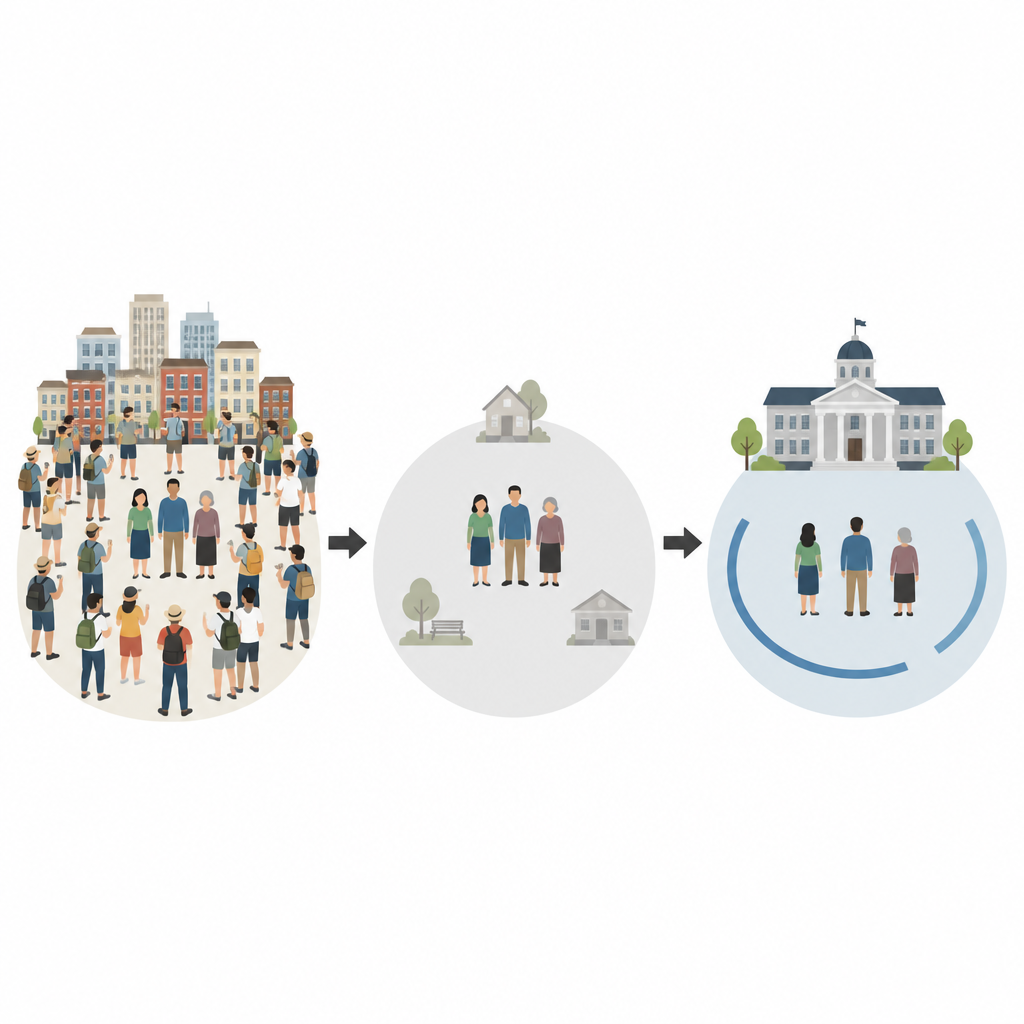
The authors also examine how much residents trust local government to manage tourism in the public interest. Their results suggest that when people believe authorities are capable, fair, and responsive, this trust can soften the blow of overtourism. Even if residents dislike crowding, they are more willing to tolerate tourism when they feel the government is trying to balance the needs of visitors and locals. However, trust does not seem to repair the deeper emotional damage when people feel their bond with their city has been eroded or when they feel treated unfairly as a group. In those areas, faith in institutions alone is not enough to restore a sense of belonging or to dispel resentment.
Keeping cities livable while welcoming guests
Overall, the study concludes that overtourism does more than clog streets and strain services; it quietly eats away at how residents feel about their own city and about their place in it. When locals sense that tourism drains their emotional and social resources, they become less inclined to support the very industry their city may rely on. While smart management, open communication, and fair sharing of benefits can ease tensions, city leaders must also protect residents’ everyday spaces and sense of ownership if they want tourism to remain welcome in the long term.
Citation: Liu, Y., Minamikawa, K. How do overtourism perceptions affect residents’ support?—from the perspective of conservation of resources theory. Humanit Soc Sci Commun 13, 658 (2026). https://doi.org/10.1057/s41599-026-07004-6
Keywords: overtourism, resident attitudes, tourism development, urban tourism, trust in government