Clear Sky Science · en
Peer effect of corporate greenhushing: evidence from China
Why companies go quiet about going green
As climate change climbs higher on the global agenda, many companies are cutting emissions and cleaning up their operations. Yet a growing number are choosing to talk less about these efforts in public reports and announcements. This quiet approach, known as greenhushing, matters because it shapes what investors, customers, and policymakers can see and judge about real progress toward a low carbon future.
When doing good stays in the shadows
Greenhushing describes firms that work seriously to reduce pollution and save energy but keep their climate goals and results low key or hidden. Instead of promoting bold targets or detailed achievements, they adopt cautious language or skip climate information altogether in their reports. Earlier research suggests this silence often arises from fear of being accused of greenwashing, facing lawsuits, or disappointing rising expectations if promises are not met quickly enough. While this strategy may feel safer in the short run, it can blur the true state of corporate climate action for everyone watching from the outside.
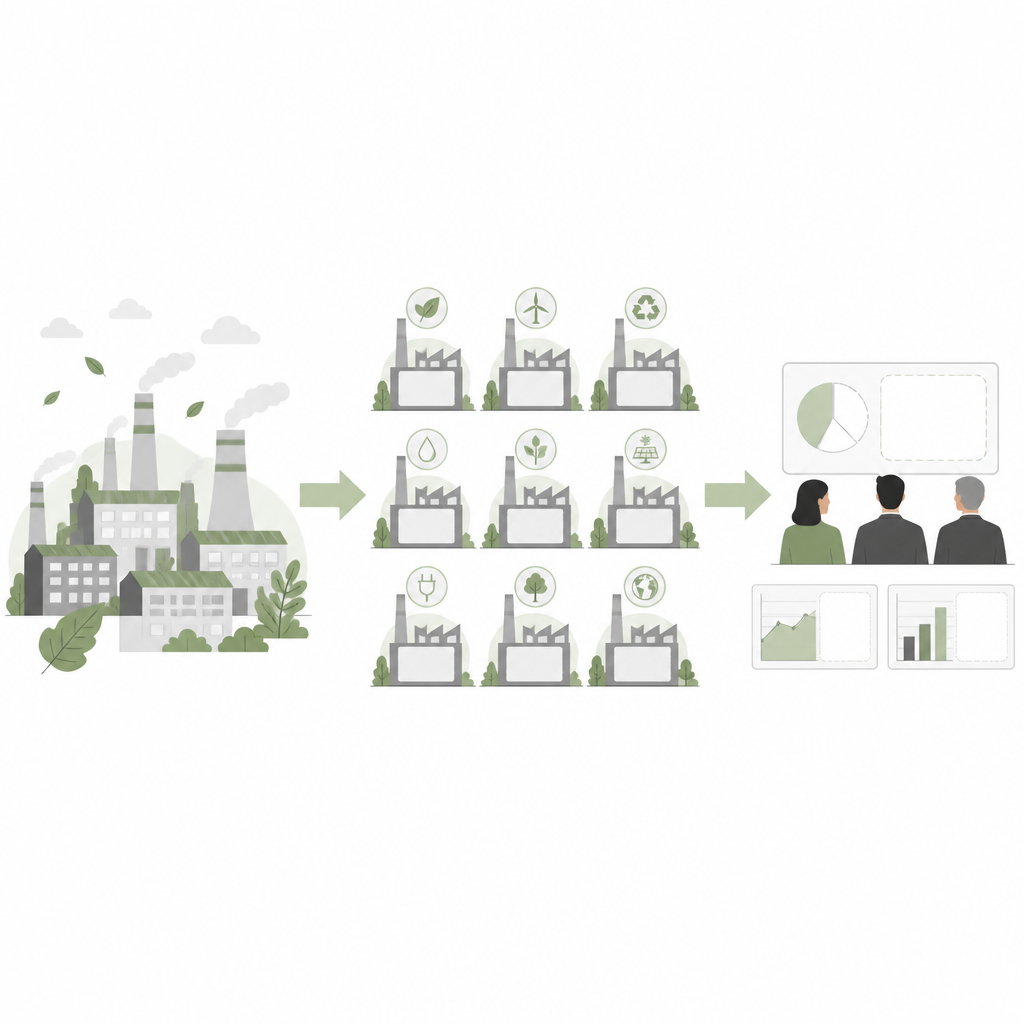
How silence spreads from firm to firm
The authors focus on listed companies in China, the world’s largest emerging market, to ask a simple question: does one firm’s choice to stay quiet about climate efforts influence others in the same industry? To answer this, they create a measure of greenhushing that compares what firms actually do to cut carbon with how much they talk about it in their social responsibility reports. Using text mining and machine learning on thousands of reports, combined with independent ratings of environmental performance, they calculate how far each company leans toward “more action than talk.”
Evidence that neighbors copy each other
By tracking nearly 9100 firm year records across many industries, the study finds a clear peer effect. When most companies in an industry are tight lipped about climate issues, an individual firm is much more likely to behave the same way in the following year. This link holds even after controlling for firm size, debt, ownership structure, and other factors, and after using multiple statistical checks to rule out chance, missing variables, or reverse cause and effect. In practical terms, when the average level of greenhushing among peers rises, a typical firm’s own silence increases noticeably as well.
Competition, rules, and who feels the pressure
The study then asks what makes this copycat silence stronger or weaker. It finds that fierce market competition pushes firms to match their rivals’ low climate disclosure, since revealing too much detail might give competitors an edge. Stricter environmental regulation also encourages herd like silence: when rules and watchdogs tighten, companies fear standing out and may follow the group’s cautious tone to avoid becoming a target. The peer effect is especially strong in state owned enterprises, firms where the CEO and board chair are separate people, companies facing weaker media scrutiny, and firms with powerful market positions, all of which appear more responsive to what similar firms are doing.
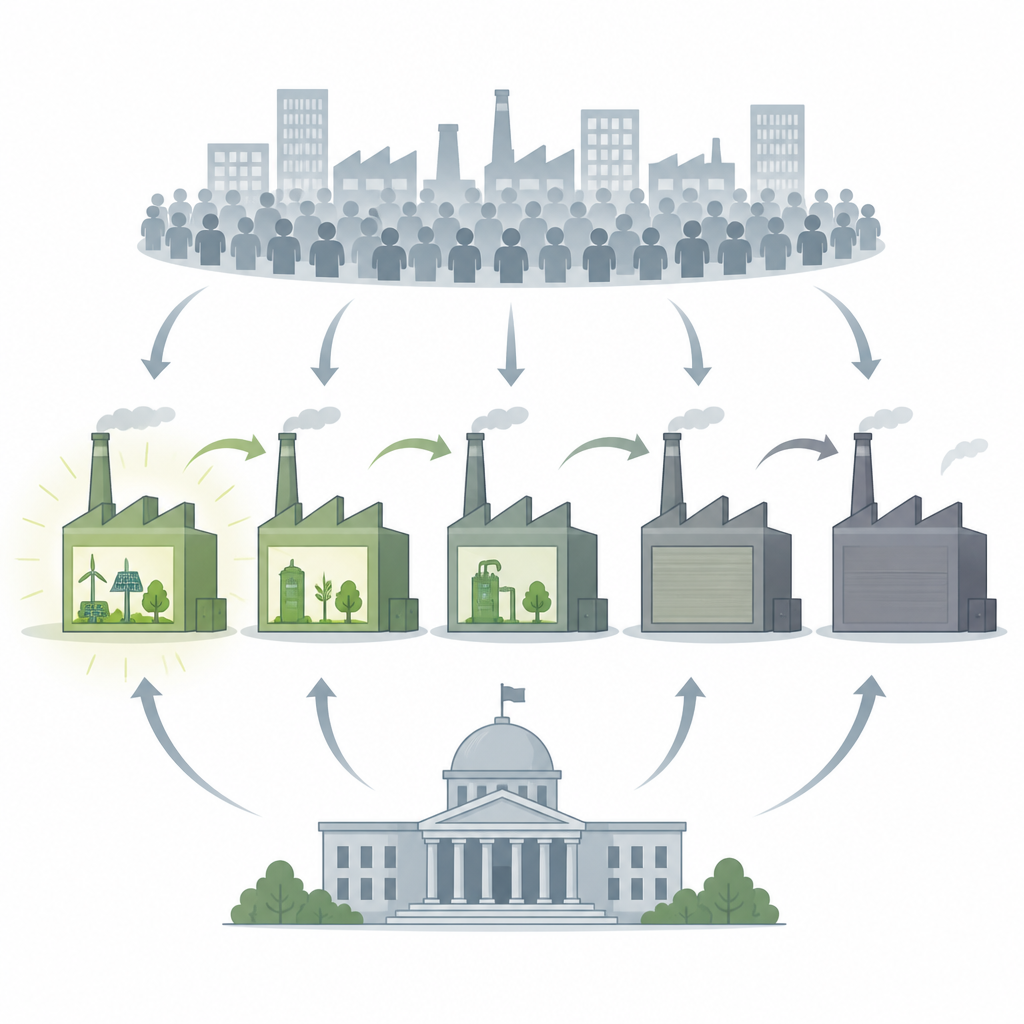
Why this quiet trend matters for the public
For ordinary citizens and investors, the rise and spread of greenhushing is not a minor detail of corporate reporting. When many firms downplay or hide their climate actions, it becomes harder to tell who is truly improving and who is lagging. That confusion can slow learning across industries, weaken trust in environmental claims, and delay broader progress toward national climate goals. This research shows that silence about going green is shaped not just by each firm’s own choices, but by the behavior of its peers, the intensity of competition, and the pressure of regulation. Understanding these patterns can help policymakers design disclosure rules and incentives that reward honest transparency and prevent quiet habits from spreading unchecked.
Citation: Zhang, Z., Meng, D. & Liu, C. Peer effect of corporate greenhushing: evidence from China. Humanit Soc Sci Commun 13, 705 (2026). https://doi.org/10.1057/s41599-026-07000-w
Keywords: greenhushing, corporate climate disclosure, peer effects, China ESG, environmental regulation