Clear Sky Science · en
Changes in gut microbiota composition following water kefir consumption in healthy adults
Why a fizzy drink for your gut matters
Many people are turning to fermented drinks to support digestion and overall well-being. This study looked at water kefir, a plant-based, lightly fizzy drink that people can easily make at home. The researchers wanted to know whether drinking water kefir every day for two weeks could gently reshape the community of microbes living in the gut of healthy adults, and whether people noticed any short-term digestive changes.
A plant-based cousin of dairy kefir
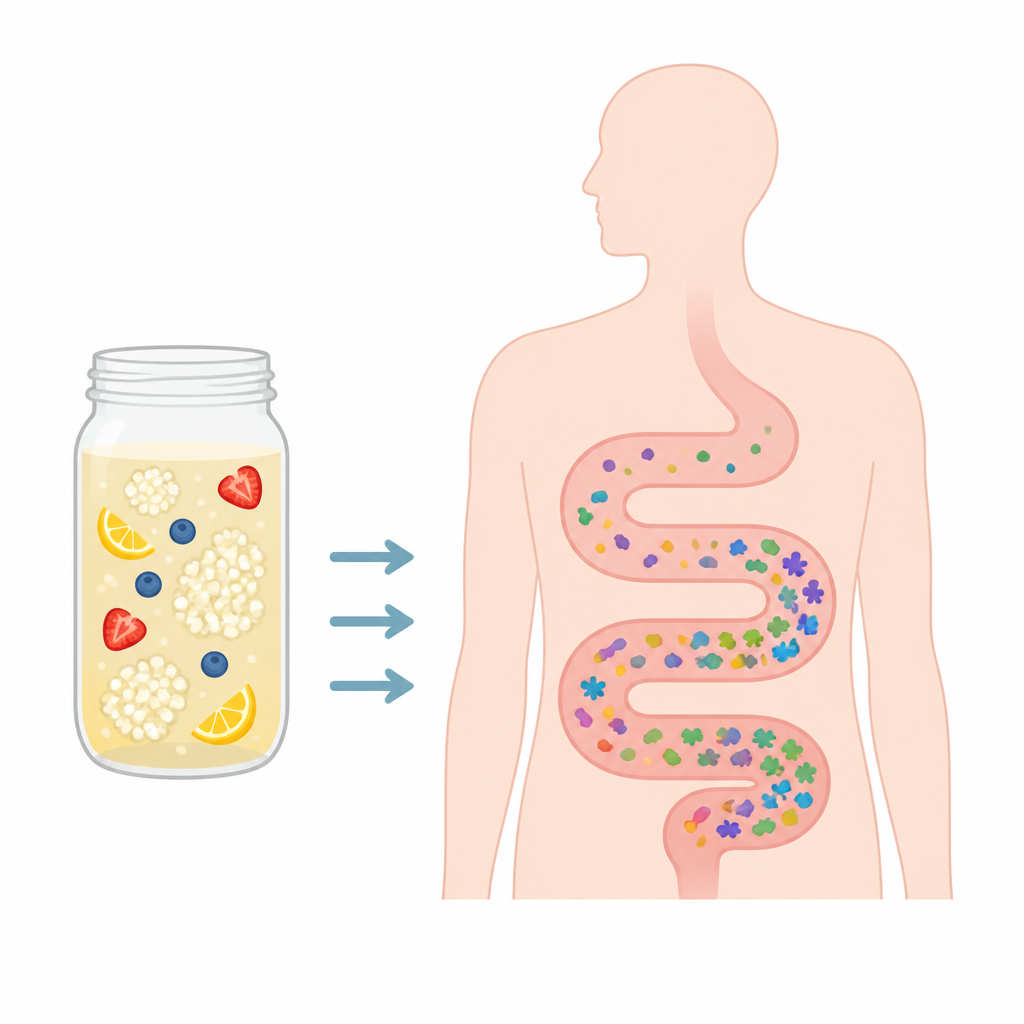
Water kefir is made by fermenting sugar water with small, jelly-like grains that contain friendly bacteria and yeasts. Unlike dairy kefir, it is naturally lactose-free and fits vegan and plant-based diets. The grains are embedded in a web of natural sugars and proteins produced by the microbes themselves, and the drink that results contains live microorganisms along with compounds such as vitamins, short-chain fatty acids and other fermentation products. Although dairy kefir has been widely studied in humans, water kefir has mostly been examined in lab and animal experiments, so its effects in people remained unclear.
How the study was set up in everyday life
Forty adults living in Sweden prepared water kefir at home using a standard recipe and equipment supplied by the research team. They fermented the drink at room temperature, strained out the grains and fruit, then drank 200 milliliters every day for 14 days while keeping their usual diets and avoiding other probiotic or fermented products. Each participant collected a stool sample just before starting and again at the end of the two weeks. These samples were frozen and later analyzed using DNA-based methods to identify which bacteria were present and how their relative amounts changed over time.
Digestive feelings during the two weeks
Participants also filled in online questionnaires about bloating, gas and stomach discomfort before and after drinking water kefir. Experiences were mixed. About one third reported more gas and about one quarter noticed more bloating, effects that are often seen when people introduce new live microbes into their diet. At the same time, more than a quarter reported less abdominal pain, and two-thirds did not notice any clear change in digestive comfort. A few people mentioned brief stomach pain, but most did not report this symptom.
Shifts in the gut’s hidden community
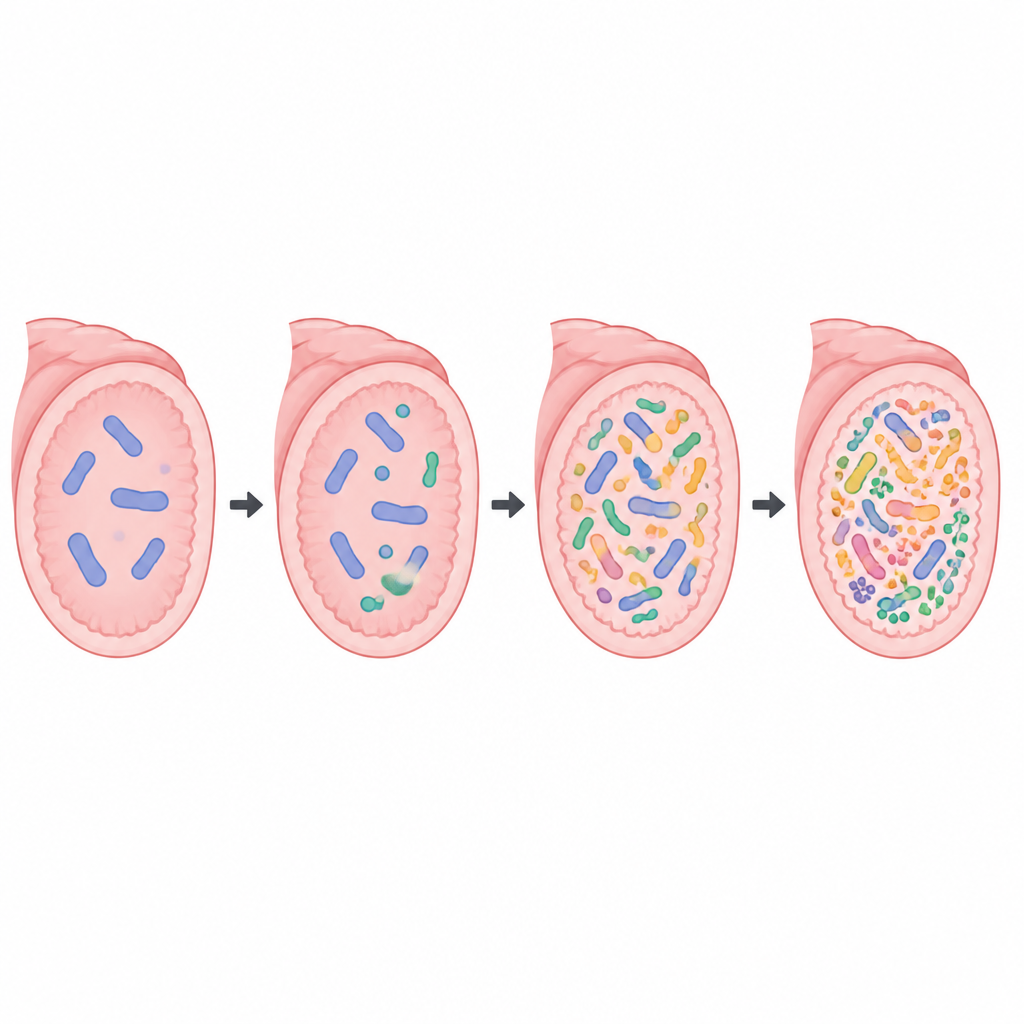
When the researchers examined the gut microbes, they found that the overall number and variety of species within each person stayed about the same. However, the balance among groups of bacteria shifted after the two weeks of water kefir. One major group, Firmicutes, became less common, while groups called Bacteroidetes and Actinobacteria increased. Within these broad groups, several species that are known to break down complex sugars and produce short-chain fatty acids became more abundant. These include Blautia species, Roseburia faecis, and common gut residents such as Bacteroides fragilis, Bacteroides uniformis, Gemmiger formicilis, Prevotella copri and Parabacteroides distasonis. Together, these microbes help turn dietary carbohydrates into small molecules that can nourish gut cells and may support gut barrier function.
What came from the drink and what was already there
The team also compared the bacteria found in the water kefir with those living in participants’ guts. Some types overlapped, including Lactobacillus, Bifidobacterium and Prevotella. In the gut, levels of Bifidobacterium and Prevotella rose after the intervention, while some other genera fell or stayed stable. Several helpful gut bacteria, such as Blautia and Roseburia, were not present in the drink at all but still increased, suggesting that water kefir may nourish existing residents rather than simply adding new ones. The drink’s dissolved sugars and microbial byproducts, particularly special long-chain sugars made during fermentation, may act as food for these beneficial microbes.
What this means for everyday drinkers
Overall, the study suggests that drinking homemade water kefir for two weeks can gently reshape the gut’s microbial community in healthy adults, favoring bacteria that feed on sugars and produce helpful acids, without drastically changing overall diversity. Some people experienced temporary gas or bloating, while others felt less abdominal pain, and many noticed no difference. Because the study was small, short, and lacked a separate control group, it cannot prove cause and effect or predict long-term health outcomes. Still, it offers early evidence that this plant-based fermented drink can interact with our inner ecosystem, and highlights the need for longer and more detailed studies to see how lasting and meaningful these changes might be.
Citation: de Mel, R., Al Khafaji, A.H., Muthusamy, S. et al. Changes in gut microbiota composition following water kefir consumption in healthy adults. Sci Rep 16, 16006 (2026). https://doi.org/10.1038/s41598-026-53645-7
Keywords: water kefir, gut microbiota, fermented foods, short chain fatty acids, probiotic potential