Clear Sky Science · en
Determinants of iron deficiency among blood donors: a cross-sectional study in a teaching hospital
Why Giving Blood Matters for Your Own Health
Donating blood is often described as a simple act that can save lives, but it also briefly changes the body of the person who gives. This study from a teaching hospital in northern Ghana asks an important question for anyone who donates regularly: does giving blood too often quietly drain the body of iron, a mineral that keeps our blood healthy and our energy levels up?
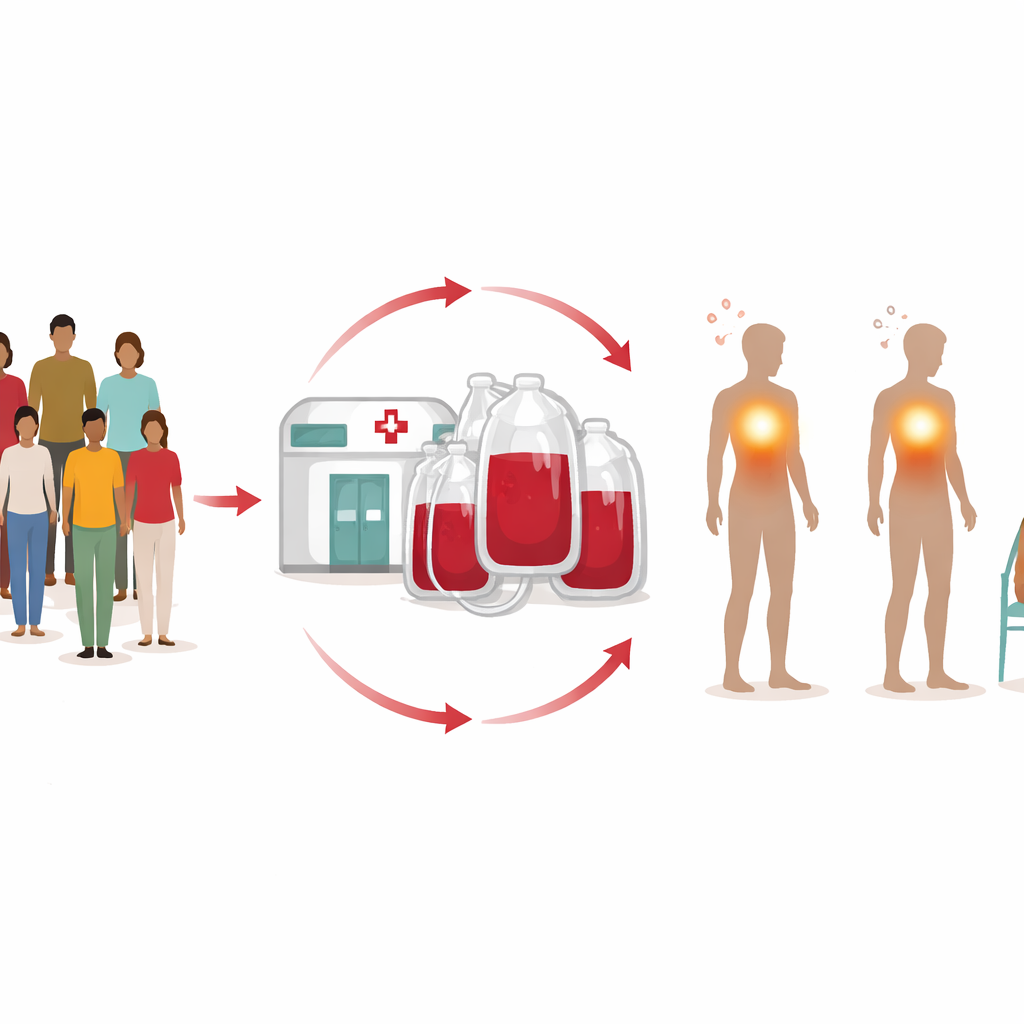
Looking at Everyday Donors in a Busy Hospital
Researchers examined 252 volunteer blood donors at the Zonal Blood Centre of Tamale Teaching Hospital between June and October 2022. Most donors were young adults in their twenties, and about two out of three were men. Roughly one third were giving blood for the first time, while the rest had donated at least twice before. All donors passed standard safety checks used in Ghana, including acceptable weight, blood count, blood pressure, and screening for infections such as HIV and hepatitis.
Checking More Than Just the Usual Blood Count
The team went beyond the routine hemoglobin test that blood banks typically use to decide who is fit to donate. From each person, they measured a full blood count and the level of ferritin, a protein that reflects how much iron is stored in the body. Low ferritin indicates that the body’s iron cupboard is running bare even if the usual blood count still looks normal. They also measured C-reactive protein to rule out donors with hidden inflammation, which can falsely raise ferritin and hide true iron lack.
What Frequent Donation Does to Iron Stores
The results showed clear differences between first-time and repeat donors. People who had donated before had lower red blood cell counts, lower hemoglobin, and lower ferritin than those giving for the first time. Nearly one in five donors overall had anemia, and this was more common in repeat donors. About 40 percent of all donors had modestly low iron stores, and roughly 15 percent had clear iron deficiency, with almost 10 percent showing both iron deficiency and anemia together. Men who had given blood three or more times in the previous two years were over five times more likely to have very low iron stores than men who had donated only once or twice.
Women Donors Face Added Strain
When the researchers looked at men and women separately, they found that women donors were more likely to have anemia, low ferritin, and iron deficiency anemia than men. This fits with everyday physiology: women usually start with smaller iron reserves and lose iron regularly through monthly bleeding and pregnancy. In this study, women donors under 20 years of age and those who had given blood several times in two years often had low ferritin, although the small numbers made it hard to prove firm statistical links. Very few donors, male or female, had taken iron supplements in the year before the study, even among those who donated frequently.
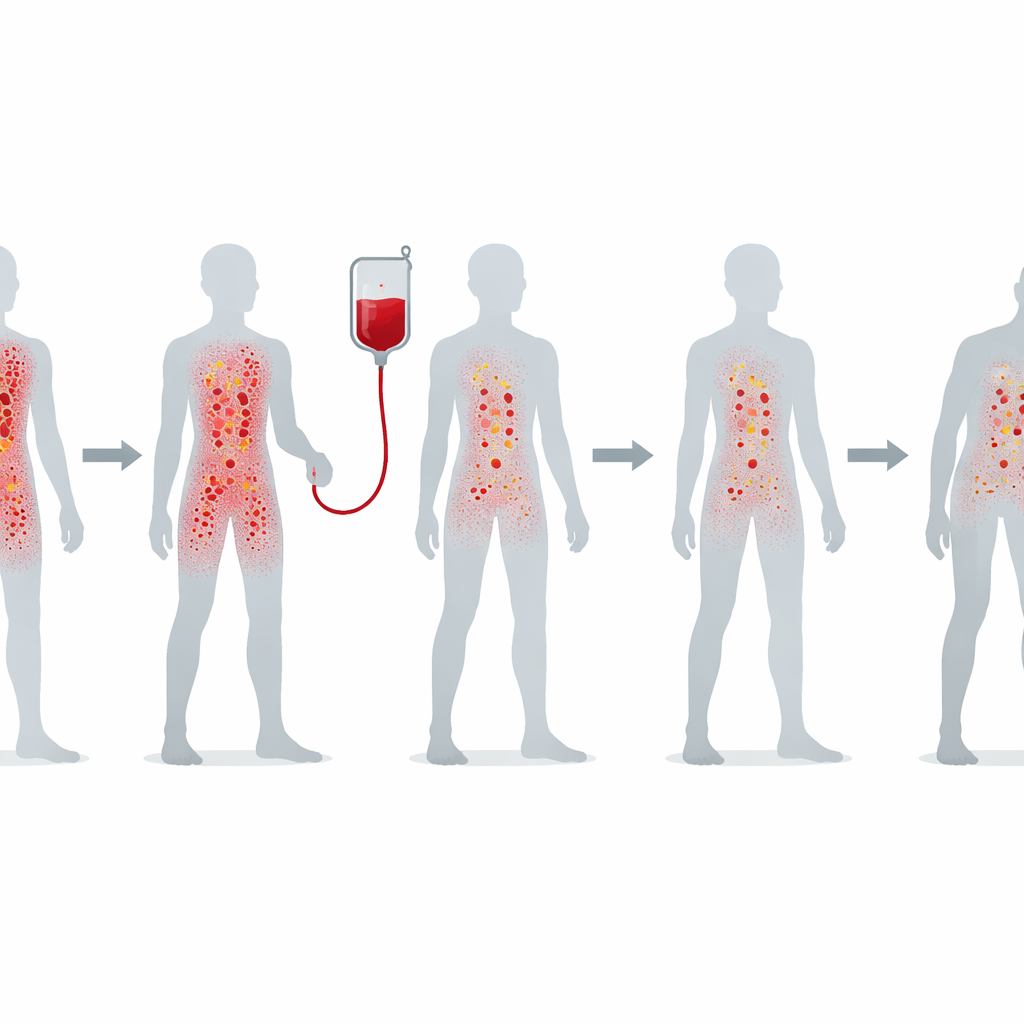
What These Findings Mean for Blood Donation
Taken together, the study shows that repeated blood donation in a population where iron deficiency is already common can quietly erode iron stores, especially when donors give three or more times within two years and do not receive extra iron. Because hemoglobin levels may stay normal until iron stores are almost exhausted, relying only on the usual pre-donation blood count can miss early depletion. The authors suggest that blood services, especially in low-resource settings, consider checking iron status more often, spacing out donations more carefully, and offering targeted iron advice or supplements. These steps could protect generous donors from slipping into iron deficiency while still keeping hospital blood supplies flowing.
Citation: Nkansah, C., Appiah, S.K., Osei-Boakye, F. et al. Determinants of iron deficiency among blood donors: a cross-sectional study in a teaching hospital. Sci Rep 16, 10740 (2026). https://doi.org/10.1038/s41598-026-44584-4
Keywords: blood donation, iron deficiency, ferritin, anemia, Ghana