Clear Sky Science · en
Long-term neurostructural and psychological effects of war stress in two generations of civilians from the former Yugoslavia
Why memories of war still matter today
Armed conflicts often fade from the news long before their effects fade from people’s lives. This study looks at how the wars in the former Yugoslavia, which ended decades ago, have shaped the brains and inner worlds of civilians who lived through them—and how those shadows reach their children, who were born after the guns fell silent. Understanding these long-lasting traces of war helps explain why support for survivors remains crucial even many years later, and how hardship can leave not only scars, but also unexpected forms of personal growth.
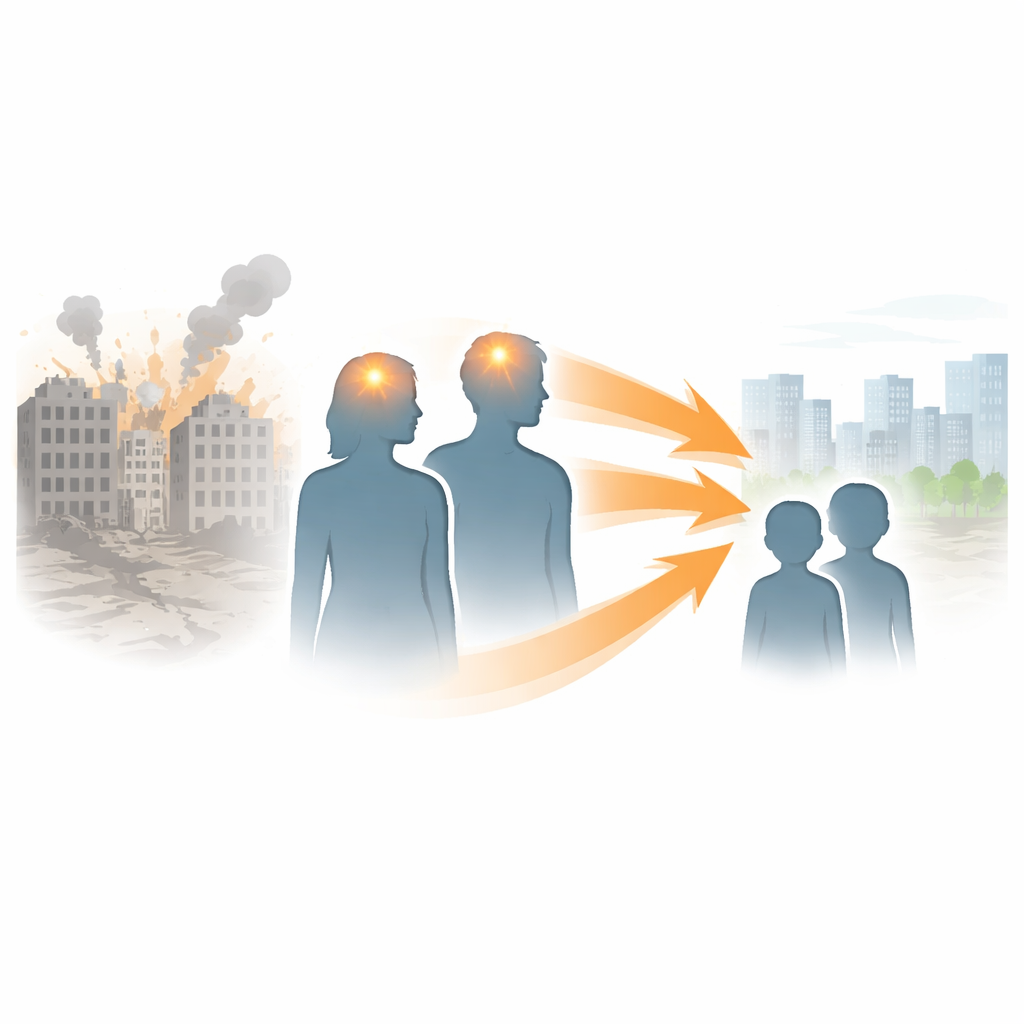
Two generations, one shared history
The researchers focused on two groups. The first generation were civilians who had survived bombings, siege conditions, flight from their homes, loss of family members, and other life-threatening events during the wars of the 1990s in Bosnia and Herzegovina, Croatia, and during the 1999 bombing of Serbia. All were later living in the Czech Republic. The second generation were young adults whose parents had gone through the war, but who themselves were born after the conflict and grew up in a post-war environment. For comparison, the team also recruited people of similar age and background from the Czech Republic and Slovakia who had never experienced war.
Looking inside the brain and into everyday life
Each participant underwent a detailed brain scan using magnetic resonance imaging, which allowed the scientists to measure the volume of grey matter—the tissue that contains nerve cell bodies—throughout the brain. They also filled out well-established questionnaires that measure symptoms of post-traumatic stress, satisfaction with life, social support, coping styles, and something called "post-traumatic growth," which captures positive changes such as a deeper appreciation of life, stronger relationships, or a sense of personal strength after hardship. In addition, semi-structured interviews invited people to talk about their life satisfaction and, for those from war-affected families, how they saw the war’s influence on themselves and on parenting.
Hidden marks in the brains of survivors
In the first generation of war survivors, the brain scans revealed clear structural differences compared with their non-war peers. Several areas linked by earlier research to stress and post-traumatic stress disorder showed reduced grey matter volume. These included regions involved in processing personal memories, emotions, and bodily sensations, such as parts of the temporal lobes and a region of the cerebellum known as Crus II. These brain changes fit with the survivors’ psychological profile: roughly half reached scores that suggest possible post-traumatic stress disorder, and on average they reported lower satisfaction with life. Yet many also described successful careers and personal lives, and their scores for post-traumatic growth were higher than those of the control group, suggesting that even while struggling with lingering stress, they had also found ways to rebuild meaning and strength.
Children shaped by stories rather than bombs
The second generation told a different story. Their brain scans did not differ from those of their non-war peers, and they did not report more symptoms of post-traumatic stress or lower life satisfaction. Still, most said they felt the war had influenced them indirectly. They grew up in households where the conflict was a frequent topic, time was often divided into "before" and "after" the war, and parents sometimes showed overprotectiveness or a strong focus on being prepared for emergencies. Despite this, the second generation also scored higher on post-traumatic growth than their peers, hinting that living with a constant background of war memories may have encouraged them to re-evaluate what matters in life and to develop resilience, without necessarily leaving them with chronic psychological damage.
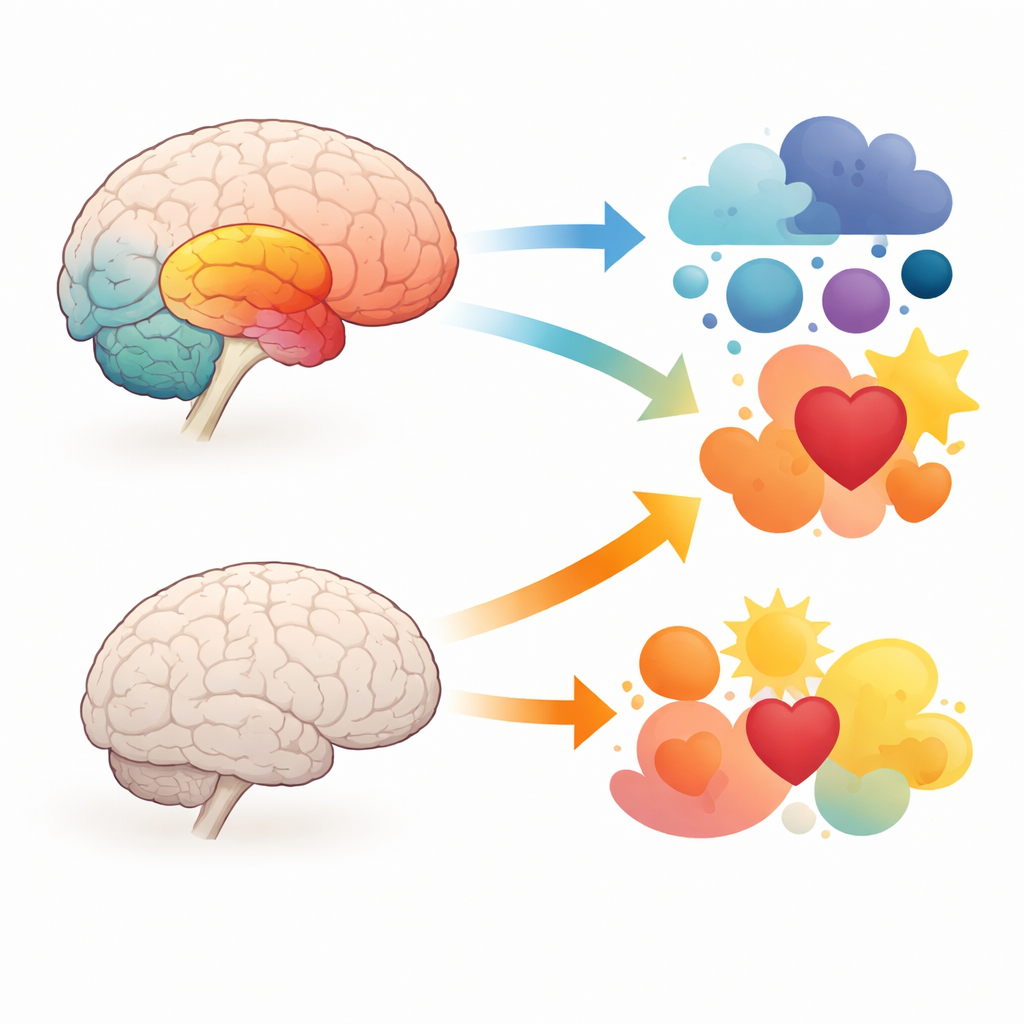
Lasting scars and hard-won strengths
Taken together, the findings suggest a sharp contrast across generations. For those who directly endured shelling, displacement, and daily danger, war left measurable marks in brain regions tied to memory and emotion, along with long-lasting stress symptoms and lower life satisfaction. Yet many also managed to build fulfilling lives and reported meaningful personal growth, possibly by pushing away the most painful memories while still moving forward—an imperfect but functional coping style. Their children, in turn, seem spared from clear brain changes or persistent trauma symptoms, even though they are keenly aware that war has shaped their families and values. Instead of inheriting only wounds, they may have inherited some of their parents’ adaptations, turning a difficult family history into a source of perspective and strength. The study underlines that the impact of war is both biological and psychological, can last for decades, and can include not only suffering but also resilience.
Citation: Fňašková, M., Říha, P., Ulčák, D. et al. Long-term neurostructural and psychological effects of war stress in two generations of civilians from the former Yugoslavia. Sci Rep 16, 13878 (2026). https://doi.org/10.1038/s41598-026-44241-w
Keywords: war trauma, post-traumatic stress, brain structure, intergenerational effects, post-traumatic growth