Clear Sky Science · en
Prevalence of tobacco use in a cross-sectional survey of people initiating HIV care in a Chennai clinic
Why Tobacco Use in HIV Care Matters
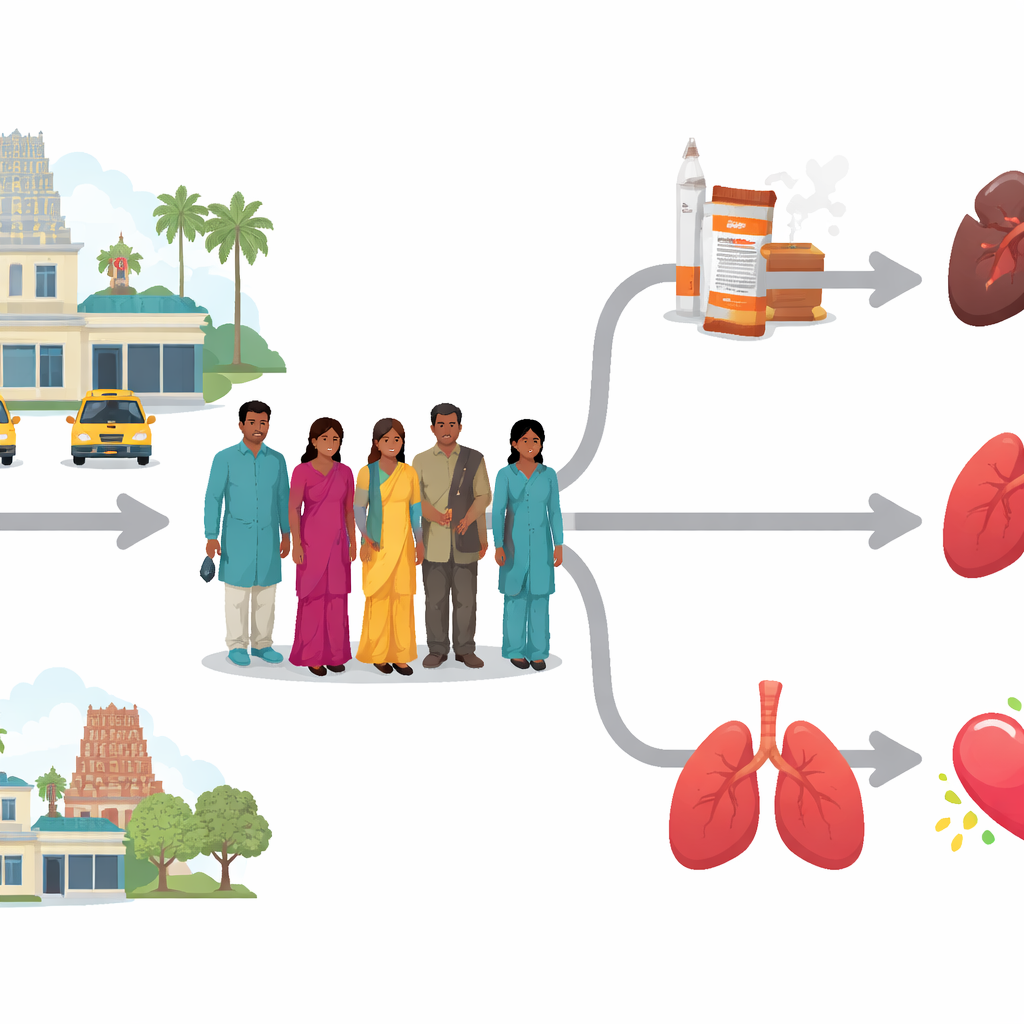
For people living with HIV, modern treatment has turned a once-fatal infection into a chronic, manageable condition. But this good news comes with a catch: illnesses linked to tobacco, such as heart disease, lung problems, and cancer, can now rival or exceed HIV itself as threats to long-term health. This study looks closely at how common tobacco use is among adults just starting HIV care in one clinic in Chennai, India, and how well that use is detected and treated. Its findings show an important but often hidden problem—and a major opportunity to prevent avoidable disease and death.
A Closer Look at Patients Starting HIV Care
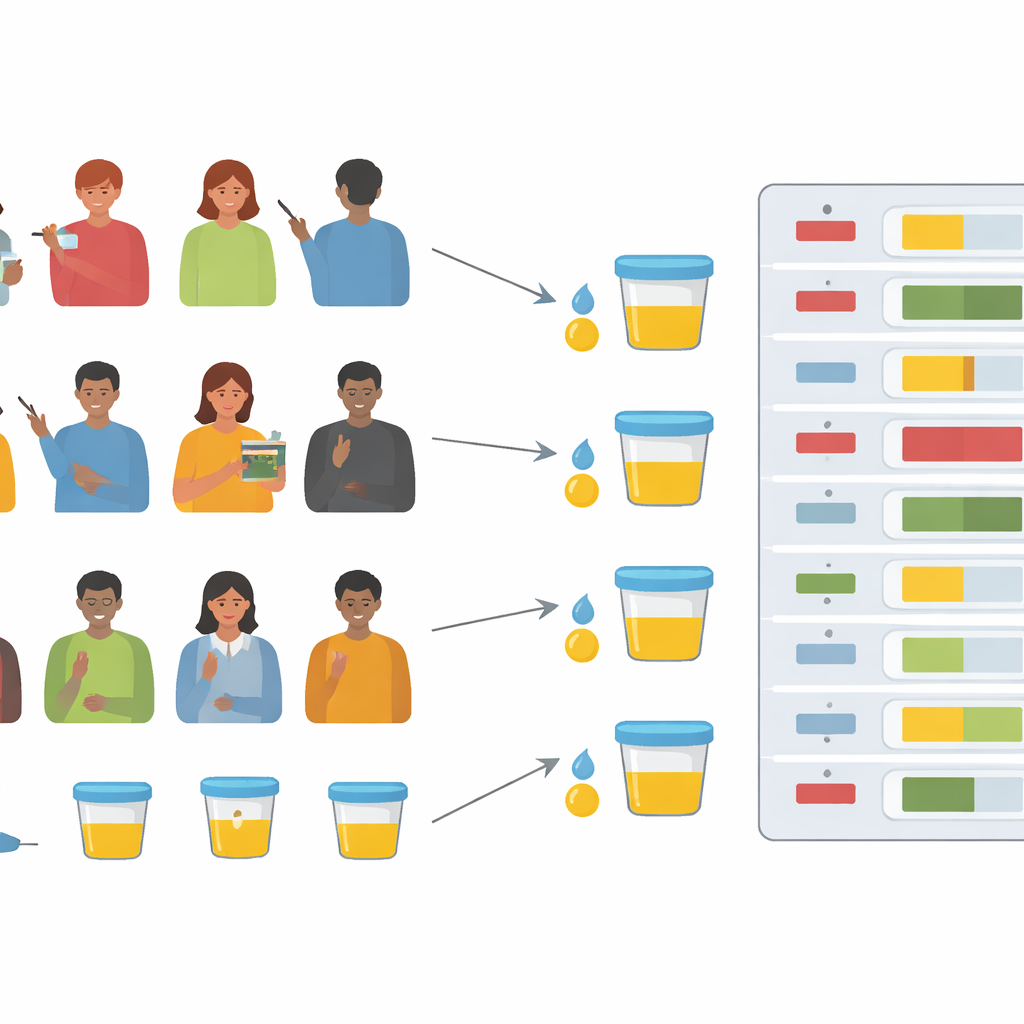
The researchers surveyed 154 adults beginning HIV care between 2019 and 2021 at a single clinic in Chennai. India carries both a heavy tobacco burden and one of the largest HIV epidemics in the world, so what happens in such clinics can have big public health consequences. Participants answered questions about whether they smoked, used smokeless tobacco (such as chewing tobacco), or used both, as well as their interest in quitting and any previous attempts to stop. The team also asked about mood, alcohol use, and beliefs about how harmful tobacco is. In addition, patients were invited to provide urine samples so the researchers could measure cotinine, a breakdown product of nicotine that reveals recent exposure to tobacco or other nicotine sources.
How Common Tobacco Use Really Was
On paper, tobacco use already looked high: just over one in three patients (about 38%) said they currently used tobacco, and another 8% said they were former users. Smokeless tobacco alone was more common than smoking alone, and a smaller group reported using both forms. Most current users were men with limited formal education. People who used both smoked and smokeless products tended to use daily, while many who used only one form did so less than daily. Interest in quitting and beliefs about harm varied by product: those using smokeless tobacco were less likely to say they planned to quit soon and less likely to believe tobacco had harmed their own health, even though they generally recognized that tobacco can cause serious illness.
Hidden Use and Gaps in Treatment
The urine tests told an even more striking story. Cotinine levels suggesting current tobacco use appeared not only among people who admitted using tobacco, but also in nearly half of those who said they did not. When the researchers compared self-reports with the biochemical results, they found that self-report correctly identified less than half of those with evidence of current use, although it more often correctly identified non-users. In other words, underreporting was common, and some people who said they had quit or never used still had signs of recent exposure. At the same time, a noticeable minority of people who said they were current users had cotinine levels below the threshold used to mark recent use, which may reflect intermittent or light use. Almost no one had received proven stop-tobacco treatments: no participant reported using cessation medicines, and only two recalled receiving counseling for tobacco use.
What Patients and Providers Said
To understand the human side behind the numbers, the team also conducted interviews with 12 patients and 6 HIV care providers. Patients described tobacco as woven into work routines, social life, and coping with stress or boredom. Many recognized that tobacco was damaging their health and draining their finances, yet felt hooked or believed that quitting was purely a matter of personal willpower. Some distrusted aids like nicotine gum or pills, calling them ineffective. Providers reported that they routinely advised patients to quit and sometimes counseled family members to support them. However, they rarely recommended medicines to help with quitting, instead referring tougher cases to psychiatry services and noting that costs could be a barrier. Social pressure and a desire to please doctors also seemed to shape what patients said about their use, contributing to underreporting.
What This Means for People Living with HIV
This study shows that in this Chennai HIV clinic, both smoking and smokeless tobacco use are common among people just entering care, and that many cases are missed if clinicians rely only on what patients say. When biochemical testing is used, it reveals both underreporting and patterns of occasional use. Yet almost no one is receiving proven help to quit. For people living with HIV, this represents a missed chance to prevent heart disease, lung problems, and cancers that can shorten lives even when HIV itself is well controlled. The authors suggest that HIV care should systematically look for tobacco use—using biochemical tests when possible—and offer accessible, evidence-based support to quit, tailored to local products and beliefs. Doing so could make HIV clinics powerful gateways not just to controlling the virus, but to protecting long-term health more broadly.
Citation: Poongulali, S., Rigotti, N.A., Kumarasamy, N. et al. Prevalence of tobacco use in a cross-sectional survey of people initiating HIV care in a Chennai clinic. Sci Rep 16, 12842 (2026). https://doi.org/10.1038/s41598-026-42986-y
Keywords: HIV care, tobacco use, smokeless tobacco, India, smoking cessation