Clear Sky Science · en
Racialized vulnerability and socioeconomic determinants of health among Afghan refugees in Pakistan
Why this story matters
For more than four decades, millions of Afghans have lived as refugees in Pakistan. Many were born and raised there, yet they still struggle to find steady work, safe housing, and basic medical care. This study pulls together numbers and personal stories from Afghan families to show how poverty, paperwork, and daily discrimination shape their health. It reveals how life on the margins can quietly wear down bodies and minds—and why closing these gaps matters not only for refugees, but for public health in Pakistan as a whole.
Life in limbo
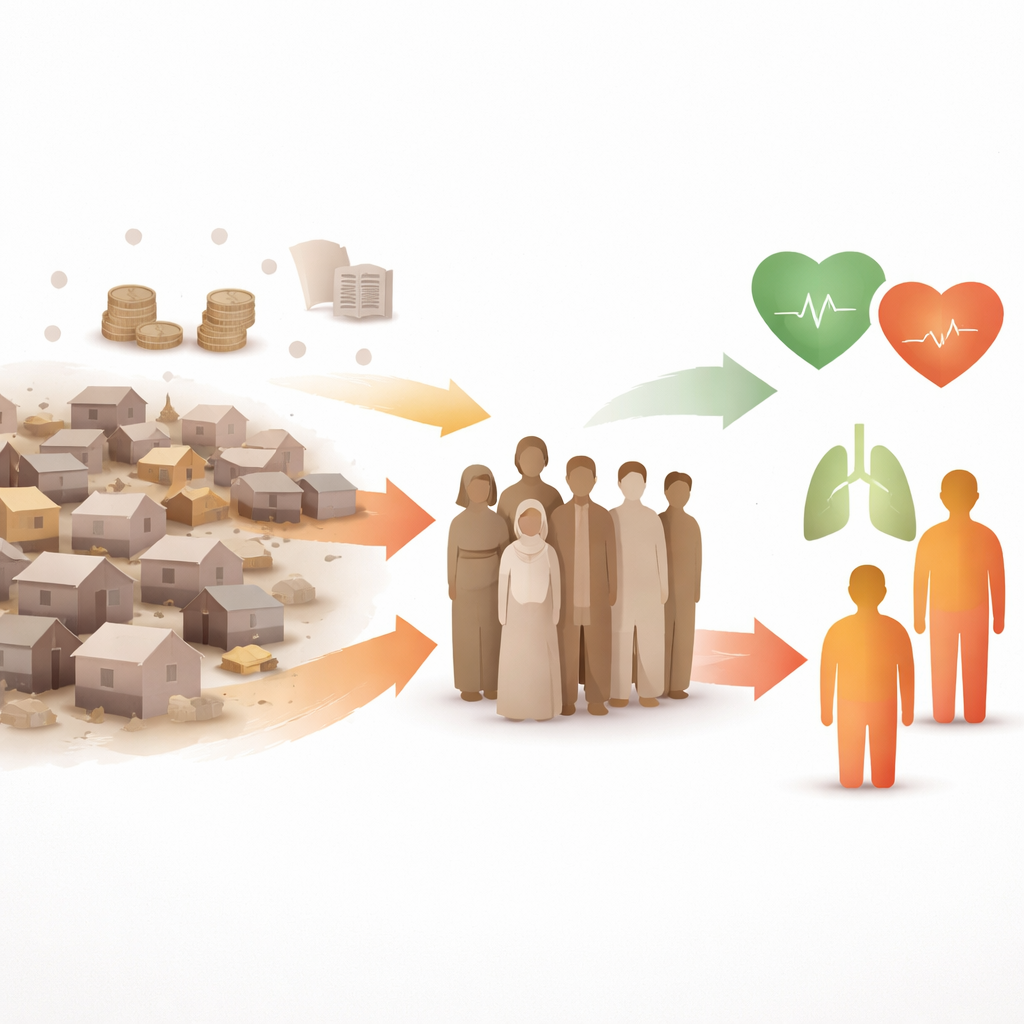
Pakistan hosts one of the world’s largest and longest‑standing refugee populations, with most Afghan families settled in the provinces of Khyber Pakhtunkhwa and Balochistan. Some live in official camps; many more occupy crowded, low‑income neighborhoods on the edges of cities. Despite decades of residence, most have no clear path to full legal inclusion. Proof‑of‑Registration cards allow some access to public services, but many people remain undocumented, facing constant uncertainty about their right to stay, work, or visit hospitals. This extended limbo has turned a once‑acute humanitarian emergency into a long‑term social reality that now shapes the health of second‑ and third‑generation Afghans.
A closer look at families and their health
The researcher surveyed 250 Afghan refugee households—1,460 people in total—using structured questionnaires, health measurements, and in‑depth interviews. The typical household was large and young, with nearly six members and an average age under thirty. Yet signs of strain were clear. Over half of working‑age adults were unemployed, most who did work relied on insecure informal jobs, and average monthly income fell well below Pakistan’s national poverty line. Almost half of households struggled with moderate to severe food shortages, often skipping meals or relying on the cheapest possible diets. Education levels were low, especially for women; nearly four in ten adults had never attended school at all.
The weight of sickness
Against this backdrop, illness was common. Nearly two‑thirds of people reported being sick at some point in the previous year. Respiratory infections, stomach problems, and child fevers were widespread, especially in crowded camps with poor sanitation and limited clean water. Older adults increasingly faced chronic conditions such as diabetes and high blood pressure, while underweight and anemia were frequent among women and children. On a combined “morbidity index” that counted different types of illness, camp residents scored markedly worse than those in urban clusters. Interviewees described choosing between food and medicine, delaying care until symptoms became severe, and receiving only basic treatments rather than proper diagnosis.
When papers and money decide care
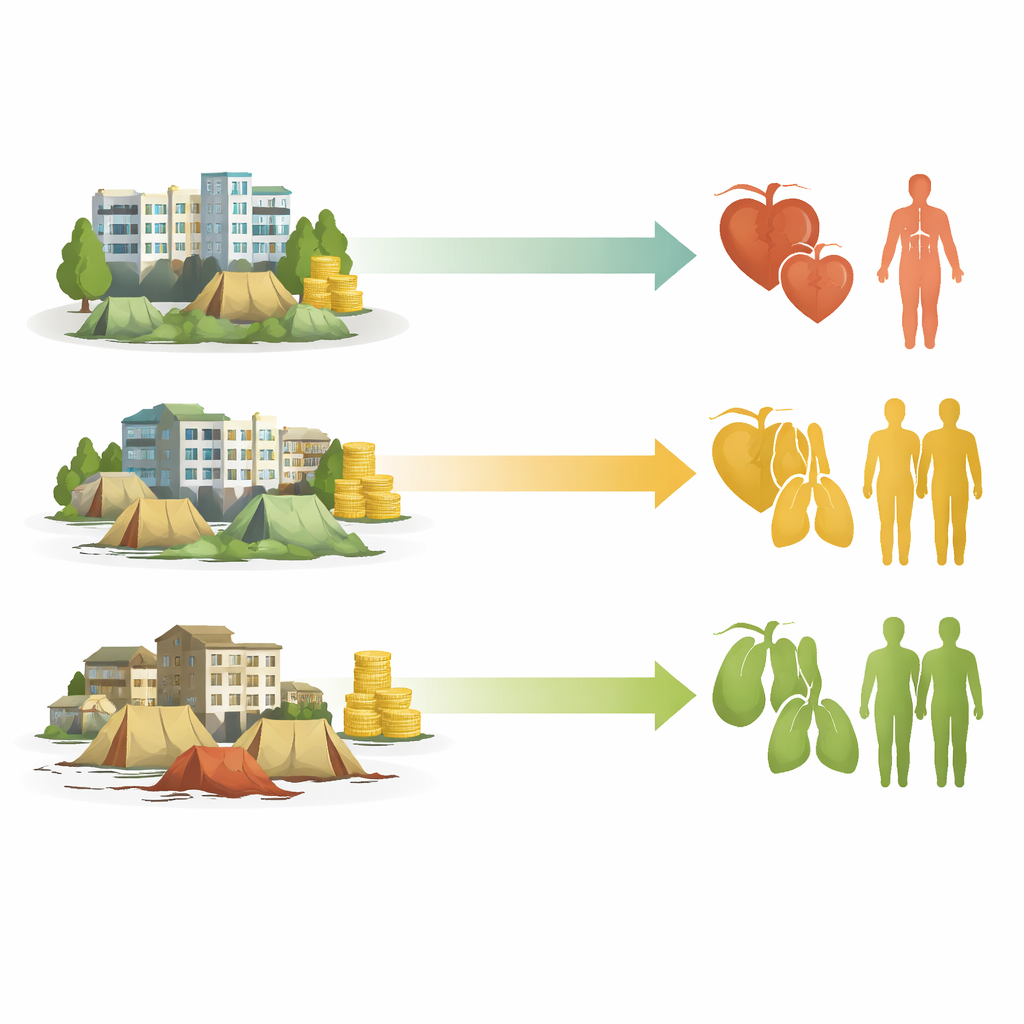
Access to formal healthcare was sharply divided. Fewer than four in ten households reported regular use of government or aid‑run clinics. Almost half relied on informal healers, and some sought no treatment at all, citing transport costs, fees, and fear of being turned away. Lack of legal documents was one of the strongest obstacles: households without official refugee cards were over three times less likely to use formal services. Women faced extra barriers, including restricted mobility, the absence of female doctors, and the need for male permission to travel. Preventive habits such as hand‑washing, vaccination awareness, and health screening were uncommon, but rose steeply with higher levels of schooling. Statistical analyses confirmed that low income, poor housing, and lack of documentation all clustered together with higher illness and worse self‑rated health.
Stories behind the statistics
Interviews with men and women put a human face on the numbers. Many described juggling rent, food, and medicine, often dropping health expenses first when money ran short. Others spoke of the humiliation of being asked for national identity cards they did not have, or of waiting for a husband or male relative before seeking care. At the same time, families leaned heavily on each other—sharing medicines, using traditional remedies, and organizing informal support networks. These stories illuminated how constant financial and legal insecurity can fuel both physical illness and emotional distress, yet also how community bonds help people endure.
What the study tells us
This research does not claim that poverty alone causes sickness, or that a higher income would instantly cure disease. Instead, it shows that for Afghan refugees in Pakistan, money, housing, education, and legal status are tightly intertwined with health. Those with the least resources and weakest recognition by the state bear the heaviest burden of disease. The author argues that if Pakistan and its partners want to reduce these gaps, they must think beyond short‑term aid: strengthening social protection, opening pathways to decent work, improving living conditions, and ensuring clinics are accessible regardless of paperwork. In simple terms, giving refugees a fair chance to study, earn, and be treated with dignity is also a powerful prescription for better health—for them and for the communities that host them.
Citation: Latif, M.A. Racialized vulnerability and socioeconomic determinants of health among Afghan refugees in Pakistan. Sci Rep 16, 11434 (2026). https://doi.org/10.1038/s41598-026-42144-4
Keywords: Afghan refugees, health inequalities, Pakistan, poverty and health, refugee healthcare access