Clear Sky Science · en
Cardiovascular prescriber attitudes to pharmacogenomics: a survey by the ESC working group on cardiovascular pharmacotherapy
Why your genes can matter for heart medicines
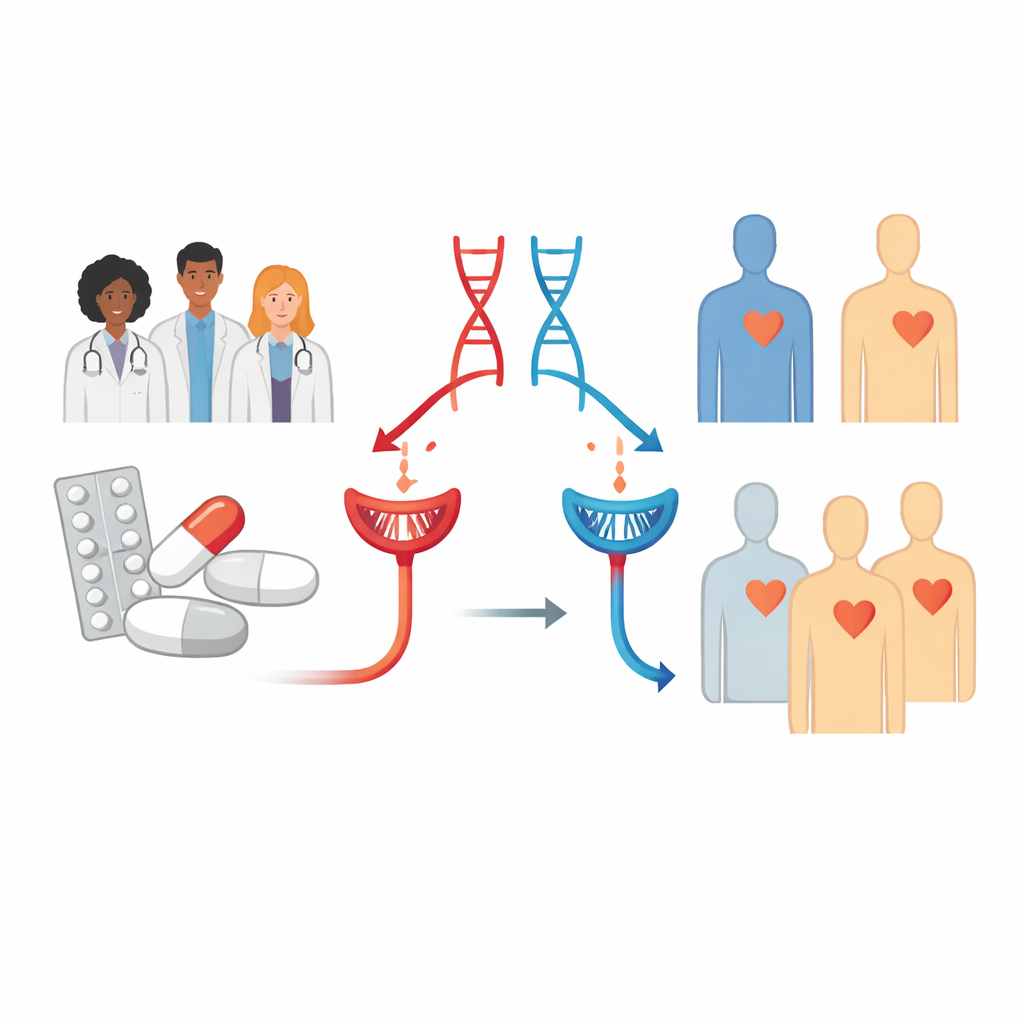
Many people take medicines for heart disease, blood clots, or related conditions, yet not everyone responds to the same drug in the same way. Some people get great benefit, others see little effect, and a few suffer serious side effects. This study asked a simple question with big consequences: are heart doctors ready to use genetic information to choose and dose medicines more safely and effectively, and what stands in their way?
What the study set out to explore
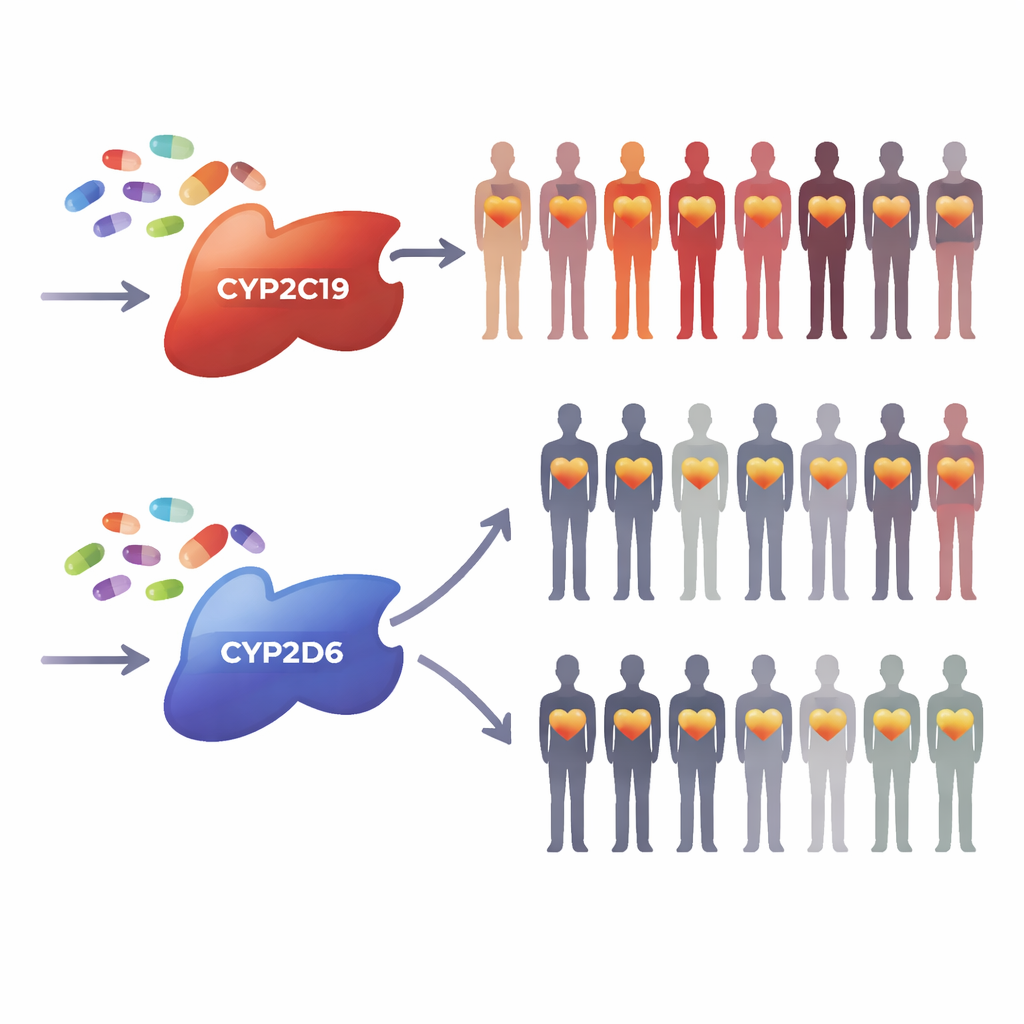
Researchers from the European Society of Cardiology designed an online survey for doctors who prescribe cardiovascular drugs. They focused on two genes, called CYP2C19 and CYP2D6, that help the body break down many common medicines, from blood thinners like clopidogrel to beta-blockers, painkillers, and antidepressants. Changes in these genes can make some people process drugs too quickly or too slowly, which can reduce benefit or raise the risk of harm. The team wanted to know how often prescribers use these drugs, whether they see genetic testing as useful, how easily they can order such tests, and what personal experiences shape their views.
What doctors are doing today
Of the 265 prescribers who completed the survey, most were cardiologists working across 68 countries. The majority said they often prescribe medicines handled by the CYP2C19 and CYP2D6 pathways, and about half felt that uneven responses to these drugs cause real problems for their patients. Many believed that knowing a patient’s genetic makeup for these two genes could improve the balance of benefit and risk, especially for CYP2C19-related drugs. Yet only about a third had any access to CYP2C19 testing and fewer still to CYP2D6 testing, and much of this access was through privately paid services rather than public health systems.
Gaps in tools, time, and guidance
Among doctors who could order tests, more had used CYP2C19 testing and felt reasonably confident interpreting the results; far fewer had used CYP2D6 testing or felt sure about acting on it. Many said they would like to know a patient’s genetic results before prescribing the relevant drugs, but a crucial condition kept coming up: the test results must come back fast enough to fit real-world clinic schedules. Only a small minority had ever been handed genetic results that patients obtained on their own, yet when this happened most doctors changed their prescribing. Strikingly, very few respondents were aware of clear local guidance for clinicians or easy-to-understand information sheets for patients on how to use or interpret pharmacogenomic testing.
How being a patient shapes a prescriber
The survey also turned the spotlight on doctors as patients. Many respondents had themselves taken medicines processed by these genes, and some had undergone genetic testing. Most said they would want such testing if they personally needed a drug affected by CYP2C19 or CYP2D6, and a sizeable share would even pay out of pocket for private testing. Statistical analysis showed a strong link: doctors who had personally used these medicines, or who wanted testing for themselves, were more likely to see genetic testing as valuable for their patients. In other words, lived experience with medicines seemed to make prescribers more supportive of tailoring treatment based on genes.
What this means for future care
Taken together, the findings paint a picture of quiet but strong enthusiasm held back by practical hurdles. Cardiovascular prescribers who answered the survey largely believe that genetic testing for CYP2C19 and CYP2D6 could help them choose safer, more effective treatments and may even improve fairness in care across different patient groups. Yet limited access to tests, slow turnaround times, and a lack of clear guidance and educational material for both clinicians and patients are major barriers. The authors conclude that to bring pharmacogenomics into everyday heart care, health systems and professional societies will need to expand testing access, speed up logistics, and weave existing evidence and advice into standard treatment guidelines so that personalized prescribing becomes a routine part of looking after the heart.
Citation: Magavern, E.F., Dan, GA., Savarese, G. et al. Cardiovascular prescriber attitudes to pharmacogenomics: a survey by the ESC working group on cardiovascular pharmacotherapy. Pharmacogenomics J 26, 17 (2026). https://doi.org/10.1038/s41397-026-00412-6
Keywords: pharmacogenomics, cardiology, precision medicine, drug metabolism, genetic testing