Clear Sky Science · en
Lactate metabolism and lactylation in cancer: from pathogenesis to therapeutic advances
Why a "waste" molecule matters in cancer
For decades, lactate was dismissed as the simple "burn" in tired muscles and a waste product of metabolism. This review article overturns that view. It explains how lactate, and a related chemical tag called lactylation, help cancer cells grow, spread, dodge the immune system, and resist treatment. Understanding this hidden role of lactate opens up new ways to detect and treat tumors by targeting their altered metabolism.
How cancer rewires its fuel use
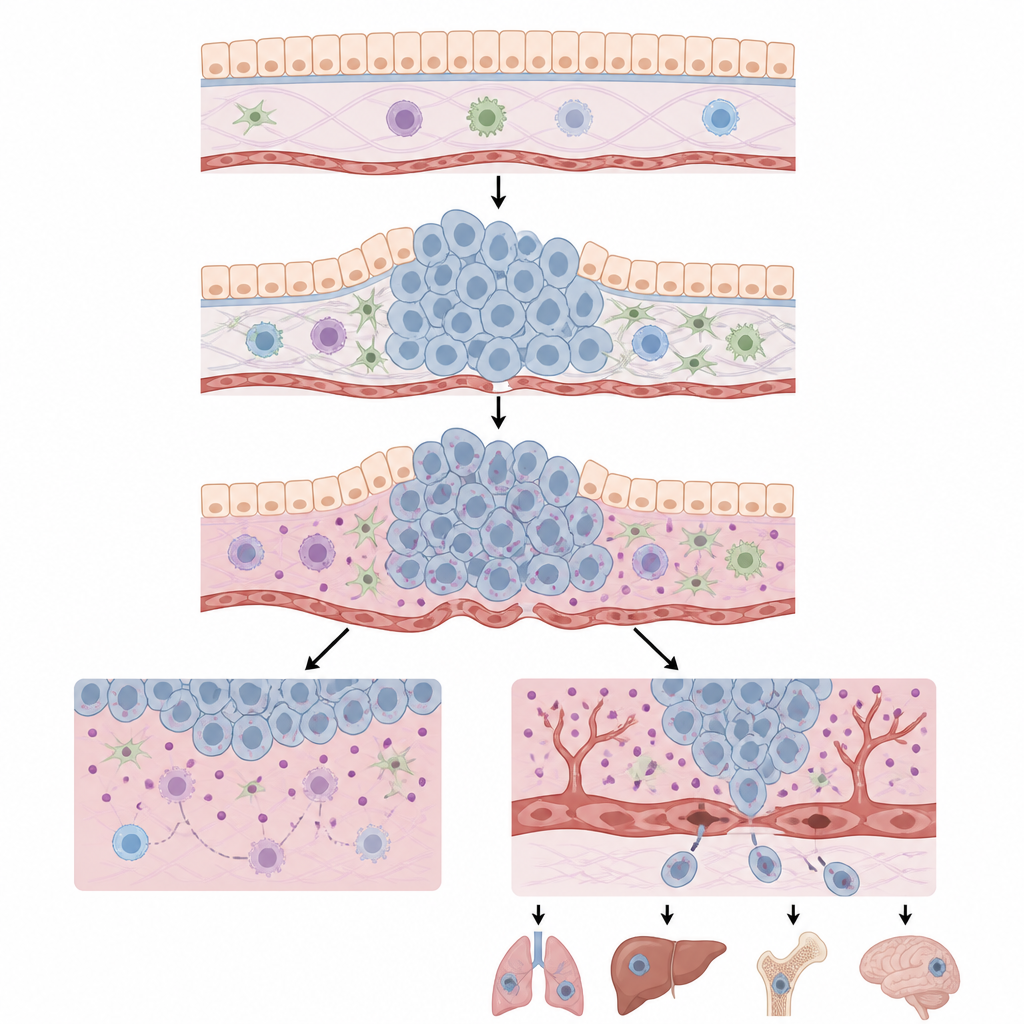
Cancer cells often rely on a fast but inefficient way of turning sugar into energy, a pattern known as the Warburg effect. Instead of fully burning sugar with oxygen, they convert much of it into lactate, even when oxygen is available. Tumors also tap the amino acid glutamine as an extra fuel source, again ending in lactate. As a result, lactate levels in and around tumors can be five to twenty times higher than in normal tissues. This surplus is not just a byproduct: by acidifying the tumor neighborhood, it changes how cancer cells behave and how nearby immune and support cells function.
A busy shuttle and a new chemical "switch"
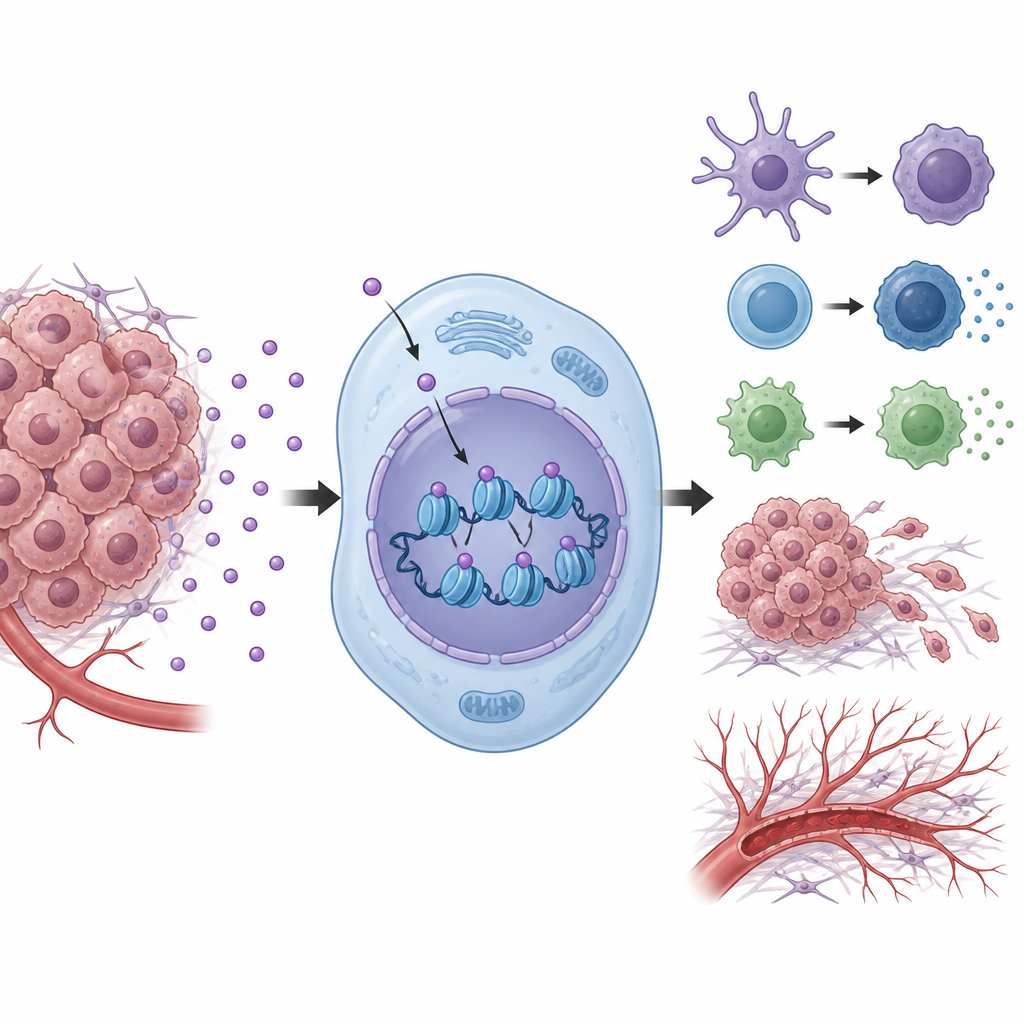
Lactate constantly moves between cells through transport proteins known as monocarboxylate transporters. Some tumor cells and supporting fibroblasts pump lactate out, while other tumor or immune cells pull it in and use it as fuel. This creates a metabolic network in which different cell types trade energy. At the same time, scientists have discovered that lactate can donate a small chemical group that attaches to proteins, a process called lactylation. When this tag is added to histones, the proteins that package DNA, it can open or close access to genes. Lactylation also occurs on many non-histone proteins that control DNA repair, cell division, and cell shape, shifting how cells respond to stress and therapy.
Shaping the cancer neighborhood
High lactate and an acidic environment act as a powerful selection pressure, favoring cancer cells that are tougher, more invasive, and better at surviving treatment. Lactate weakens key immune players, including killer T cells, natural killer cells, and dendritic cells that present tumor fragments as warning flags. At the same time, it strengthens regulatory T cells and tumor-associated macrophages that dampen immune attacks. Lactate also helps remodel the scaffolding around tumors by driving fibroblasts into an activated state and encouraging collagen-rich scarring. Together with its support for the growth of abnormal blood vessels, this remodeling makes it easier for cancer cells to invade nearby tissue, enter the bloodstream, seed distant organs, and later reawaken from dormancy.
Signals inside major cell pathways
The article describes how lactate and lactylation plug directly into many of the signaling circuits that are already famous in cancer biology. These include the PI3K/AKT, MAPK, Wnt, Hippo, JAK–STAT, NF-kappaB, TGF-beta, Notch, and Hedgehog pathways. By stabilizing certain proteins, altering their chemical tags, or acting through surface receptors, lactate can tilt these pathways toward growth, stem-like behavior, immune escape, and resistance to damage. This means that the same molecule once viewed as metabolic exhaust is now recognized as a versatile messenger connecting what cells eat to which genes they turn on.
Turning metabolism into a treatment target
Because lactate production and lactylation help tumors adapt and resist therapy, they are attractive drug targets. Researchers are testing inhibitors of enzymes that make lactate, such as lactate dehydrogenase and pyruvate kinase, and blockers of lactate transporters that move it across cell membranes. Other experimental drugs aim at the enzymes that write or erase lactylation marks, or at specific lactylation sites on proteins involved in DNA repair and immune evasion. Early work suggests that combining these approaches with chemotherapy, targeted drugs, or immunotherapies can make tumors more vulnerable, restore immune activity, and reduce relapse in model systems.
What this means for patients and future care
To a lay reader, the key message is that lactate is no longer just a sign of tired muscles or poor blood flow. In cancer, it is part fuel, part signal, and part genetic "dimmer switch" that helps tumors thrive in harsh conditions. By mapping how lactate and lactylation influence every stage of cancer, from the first mutations to spread and recurrence, this review points toward metabolism-aware treatments. In the future, measuring lactate-related changes and selectively interrupting them could help personalize cancer therapy, making existing drugs work better while limiting damage to healthy tissues.
Citation: Fang, C., Zhou, S., Yu, K. et al. Lactate metabolism and lactylation in cancer: from pathogenesis to therapeutic advances. Sig Transduct Target Ther 11, 190 (2026). https://doi.org/10.1038/s41392-026-02672-x
Keywords: lactate metabolism, lactylation, tumor microenvironment, cancer metabolism, immunotherapy resistance