Clear Sky Science · en
The effect of obesity and aging on NAD+/Sirtuin metabolism transcription and DNA methylation in subcutaneous adipose tissue of monozygotic twin pairs discordant for BMI
Why Fat Cells Matter as We Gain Weight and Grow Older
Obesity and aging are often blamed for raising the risk of diabetes and heart disease, but the story begins deep inside our fat tissue. This study looked at the "control system" that helps fat cells manage energy and stress, focusing on tiny molecules and enzymes that depend on a compound called NAD+. By studying identical twins who differed in body weight and comparing younger and older adults, the researchers asked a simple but important question: do extra pounds and advancing age damage fat tissue in the same way, and how might that help explain common metabolic diseases?
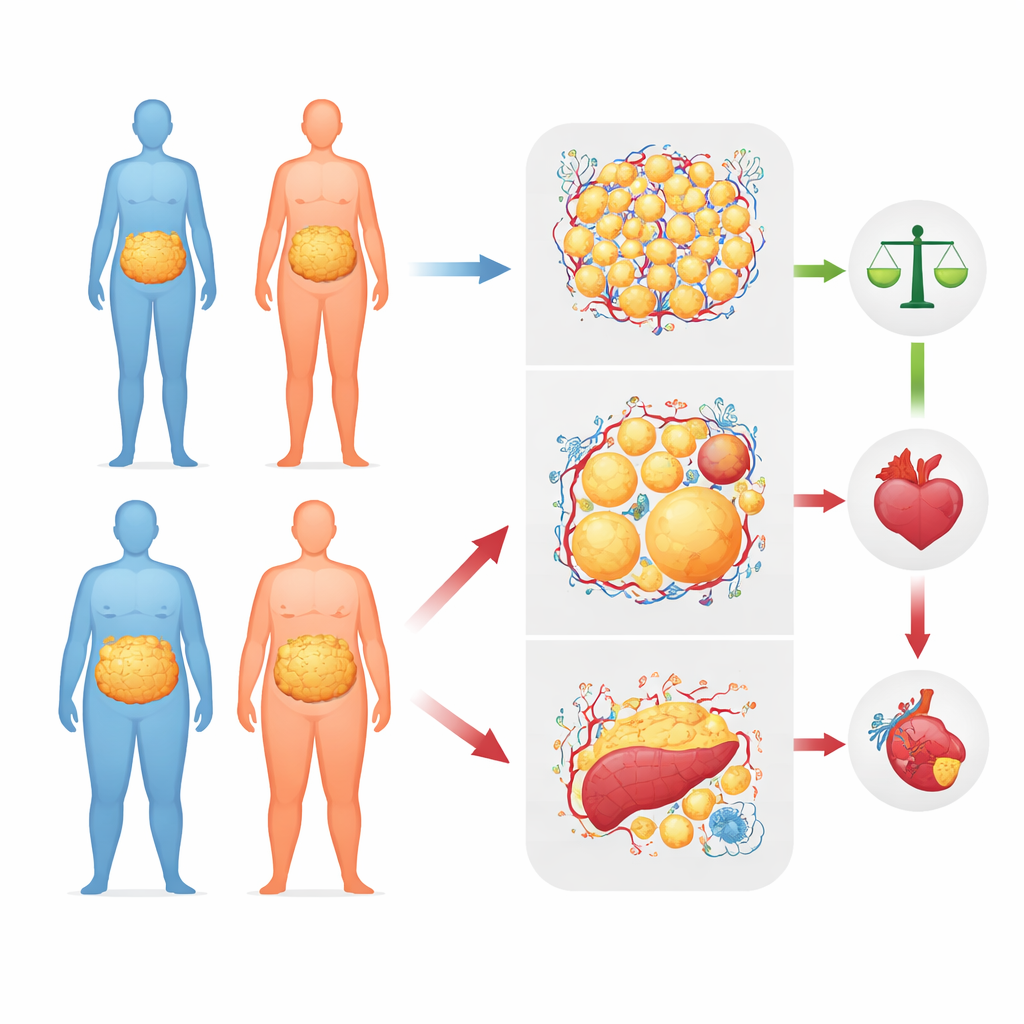
A Unique Look Inside Twin Bodies
To untangle the effects of genes, lifestyle, and time, the team recruited 49 pairs of identical twins who differed clearly in body mass index (BMI), plus groups of younger adults in their 20s–30s and older adults in their late 50s–60s. Because identical twins share the same DNA, differences between the leaner and heavier twin mainly reflect environment and behavior, not genetics. The scientists took small samples of subcutaneous fat from the abdomen, measured body fat distribution, blood sugar control, blood lipids, and inflammation markers, and then examined which genes were switched on or off in pathways tied to NAD+ and its partners, the sirtuin enzymes. They also measured chemical tags on DNA called methylation, which can influence whether genes are active.
The Energy "Switches" That Go Quiet
The central finding was that both obesity and aging dimmed activity in parts of the NAD+/sirtuin system in fat tissue. A key enzyme called SIRT5, which helps mitochondria—the cell’s power plants—handle fuels efficiently, was turned down in heavier twins and in older individuals alike. Several genes that help rebuild NAD+ via the body’s main recycling routes were also less active, suggesting that fat cells in these states may struggle to maintain healthy NAD+ levels. At the same time, one of the biggest NAD+ consumers, the DNA repair enzyme PARP1, was more active in older adults, hinting that aging fat tissue may burn through NAD+ faster as it copes with accumulated stress and damage.
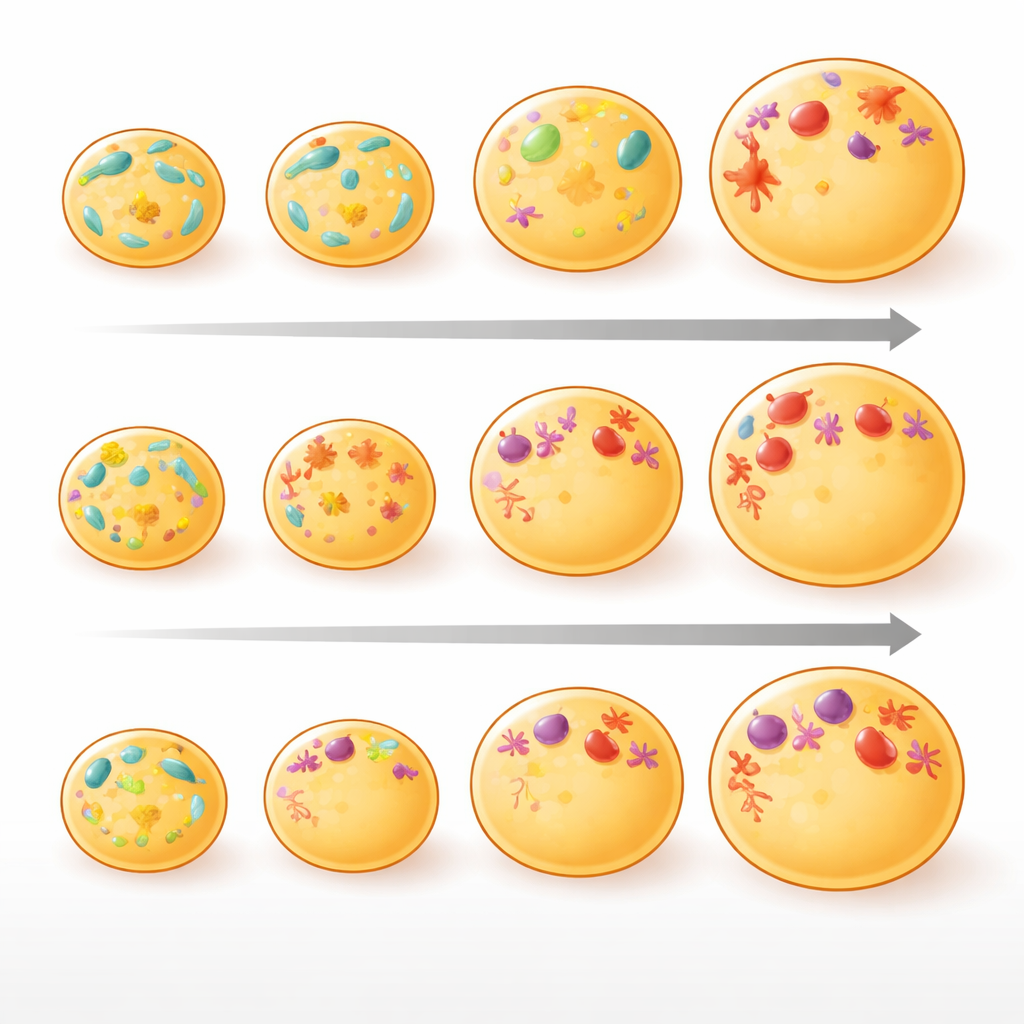
Obesity and Aging: Same Story, Different Chapters
Despite these shared changes, obesity and aging left distinct fingerprints in fat tissue. In obesity, the genes that support mitochondrial energy production and fat burning were broadly switched down. Other genes that drive glycolysis—the rapid breakdown of sugar—were switched up, and markers of cellular stress and self-destruction became more active. This pattern points to fat cells that are overloaded with energy, less able to burn it cleanly, and more prone to inflammation and damage. Aging, in contrast, did not show the same widespread shutdown of mitochondrial genes. Instead, it was marked by broad changes in PARP enzymes and by higher activity of CD38, another NAD+-degrading protein, suggesting a slow drain on the NAD+ pool rather than the acute metabolic overload seen in obesity.
Epigenetic Marks and Links to Everyday Health
The researchers also found that for many of the affected genes, expression levels tracked with DNA methylation marks in nearby regions, especially in genes tied to mitochondrial energy production and sugar handling. This supports the idea that long-term lifestyle and aging leave epigenetic imprints on fat tissue that can shift its behavior. Importantly, people whose fat tissue showed higher expression of sirtuins such as SIRT1 and SIRT3, and of mitochondrial genes, tended to have less total and abdominal fat, less fat in the liver, better insulin sensitivity, healthier cholesterol levels, and more physical activity. In contrast, higher PARP1 expression went hand-in-hand with more liver fat and stronger signs of insulin resistance.
What This Means for Health and Longevity
To a lay reader, the bottom line is that both extra weight and advancing age appear to push fat cells away from a flexible, energy-burning state toward one that is stressed, inflamed, and less able to manage fuel—largely through changes in NAD+-dependent pathways. Obesity seems to hit the "engines" of the cell especially hard, while aging appears to reshuffle DNA repair and NAD+ consumption. Because these same patterns track closely with real-world measures like belly fat, blood sugar, and cholesterol, they may help explain why obesity and aging so often lead to the same chronic diseases. The study suggests that strategies which preserve or restore healthy NAD+/sirtuin activity in fat tissue—through lifestyle or future therapies—could be a powerful way to support metabolic health across the lifespan.
Citation: Lapatto, H.A.K., van der Kolk, B.W., Muniandy, M. et al. The effect of obesity and aging on NAD+/Sirtuin metabolism transcription and DNA methylation in subcutaneous adipose tissue of monozygotic twin pairs discordant for BMI. Int J Obes 50, 797–805 (2026). https://doi.org/10.1038/s41366-025-02007-w
Keywords: obesity, aging, adipose tissue, NAD+ metabolism, sirtuins