Clear Sky Science · en
Emotional geography in the digital age: a Twitter-based study of population well-being in Thailand during COVID-19
Why Feelings on a Map Matter
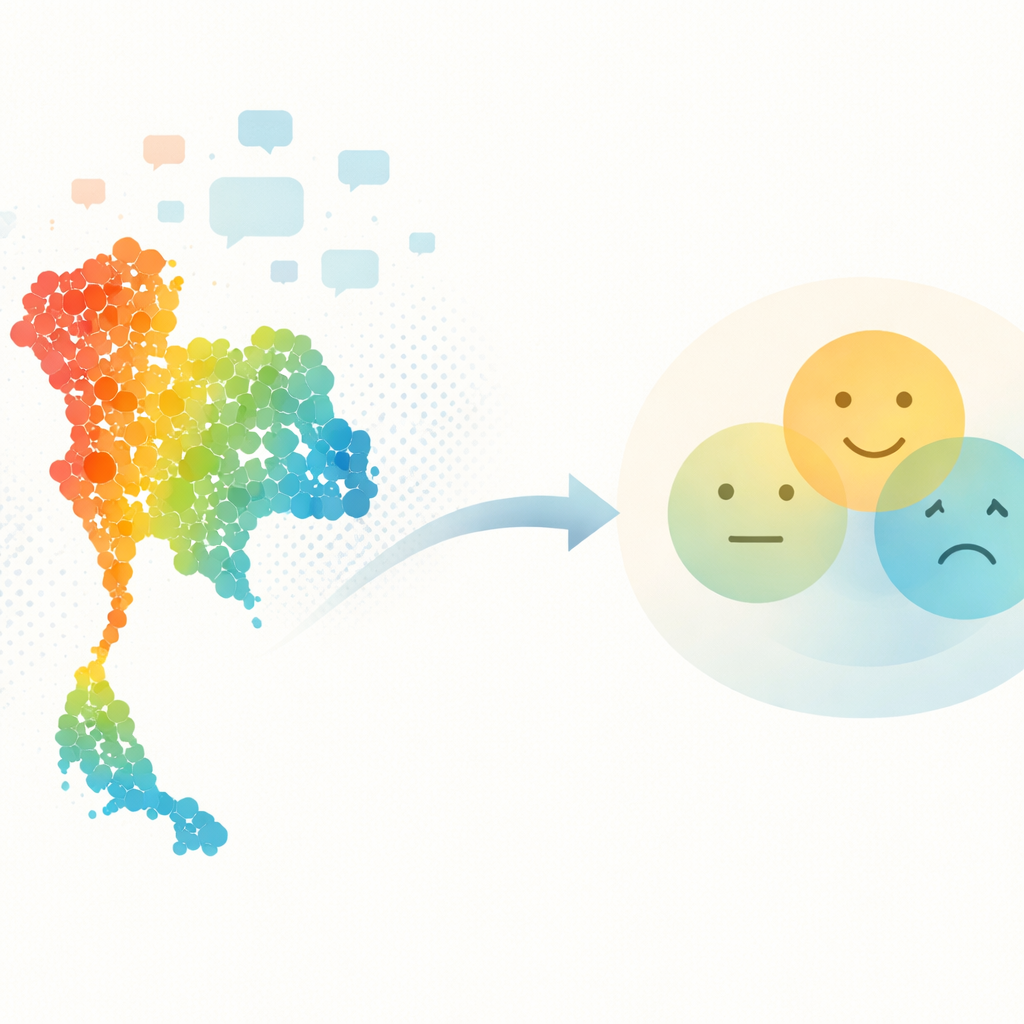
The COVID-19 pandemic did not only attack lungs and livelihoods; it also reshaped how people felt about their everyday lives. This study asks a simple but powerful question: how happy were people across Thailand during the crisis, and did outbreaks and lockdowns change that? Instead of slow, expensive surveys, the researcher turned to Twitter, using millions of short messages to trace how mood varied from place to place and month to month. The result is an emotional map of Thailand in 2020–2021 that helps us see where communities were coping well, where they were struggling, and how digital traces can reveal the hidden geography of well-being.
Reading Feelings from Everyday Messages
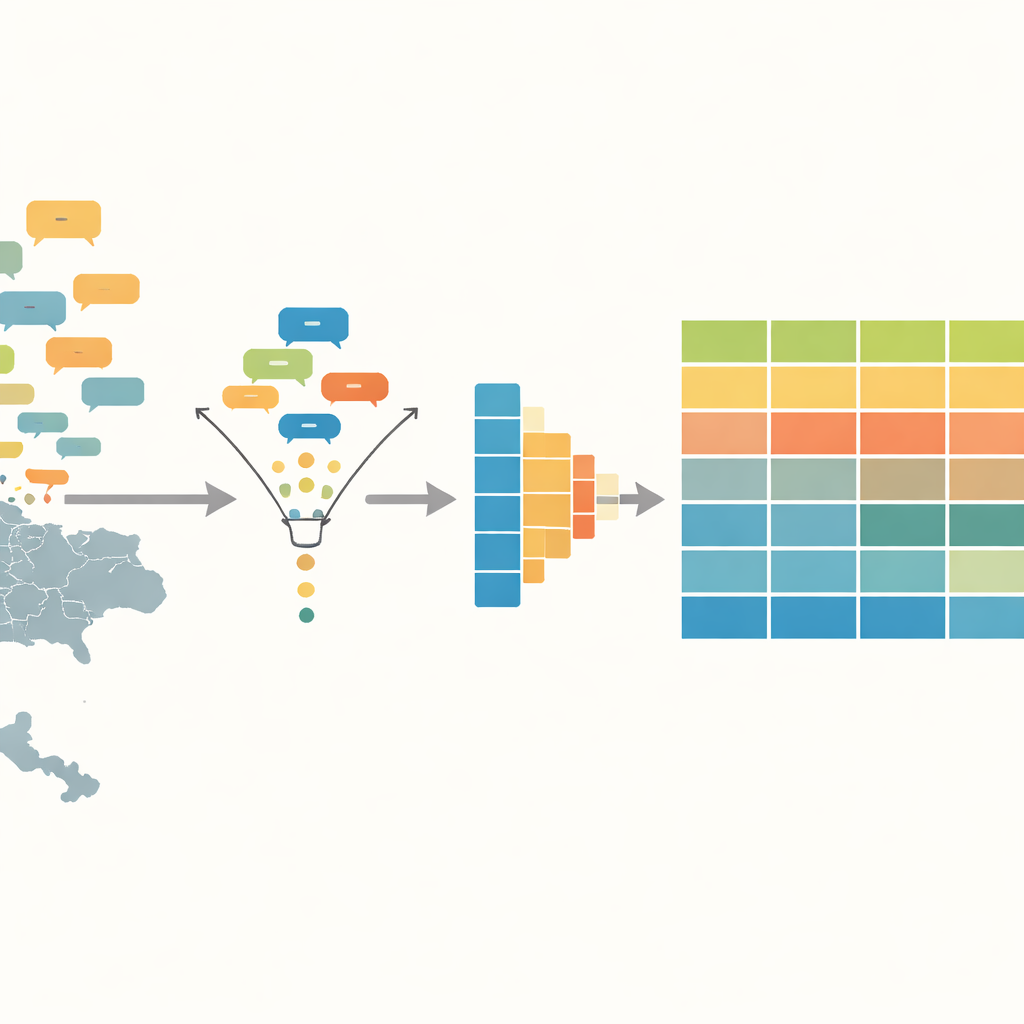
To build this emotional map, the study analysed more than 65 million Thai-language words from tweets posted in all 77 provinces. Only tweets with location information were used, so each message could be tied to a real place at the time it was sent. A special Thai “sentiment dictionary” was created by translating thousands of English words that had already been rated on a happiness scale of 1 (very negative) to 9 (very positive). Words like “lockdown” and “pandemic” carried low scores, while words such as “happiness” and “love” had high ones. By counting how often these words appeared in each province and month, and averaging their scores, the researcher estimated a short-term happiness level for each area.
Thailand’s Mood Through the Pandemic
Despite the fear, illness, and economic shock of COVID-19, Thailand’s overall happiness score stayed surprisingly steady at about 5.98 in both 2020 and 2021—a middling but stable value. The lowest dip came during the first wave, when the virus was new and strict nationwide measures were first imposed. Happiness rose during a later “relaxation period,” when infections were low, restrictions eased, and social and economic life partially returned. Later waves, including those with the largest case surges, brought only small changes in average happiness, suggesting that many people adapted emotionally to living with the virus, helped by public health measures and support policies.
Different Places, Different Emotional Weather
Beneath this stable national picture, provincial differences were clear. Central provinces, including Bangkok’s neighbours, often showed higher and more resilient happiness scores, likely supported by stronger health services, more varied economies, and more digital connectivity. Border regions and tourism-heavy provinces in the South and East tended to fare worse, reflecting lost travel income, cross-border trade disruptions, and longstanding local challenges. Crowded provinces with larger populations and more households showed slightly lower happiness in 2020, hinting that tight living conditions, competition for resources, and greater exposure to infection may have raised stress. In contrast, some rural or less dense areas maintained or even improved their emotional tone during parts of the crisis.
Surprising Clues from Crime and Community Life
One of the most counterintuitive findings came from comparing happiness with measures of crime and social problems. Rather than showing that more crime always meant less happiness, the data revealed weak positive links between happiness and several crime-related statistics, especially arrests for violent offences. One possible explanation is that, in places facing more visible trouble, people may also see stronger policing, closer-knit neighbourhoods, and more active mutual support, all of which can make them feel safer and more united. The study also found no meaningful link between happiness scores and COVID-19 case numbers themselves, underlining that how people feel depends as much on income security, public trust, and community ties as on raw infection counts.
What This Means for Future Crises
For non-specialists, the key takeaway is that digital messages can act like tiny emotional sensors, revealing how people experience a crisis in real time and in specific places. In Thailand, these signals showed a population that, on average, stayed emotionally steady through heavy disruption, even as some provinces struggled more than others. They also showed that well-being is not simply a mirror of case numbers or crime tallies, but the outcome of how economies, health systems, and communities respond together. As governments prepare for future pandemics or other shocks, combining traditional statistics with social media “emotional maps” could help them spot vulnerable regions earlier and design responses that protect both bodies and minds.
Citation: Patnukao, A. Emotional geography in the digital age: a Twitter-based study of population well-being in Thailand during COVID-19. Humanit Soc Sci Commun 13, 512 (2026). https://doi.org/10.1057/s41599-026-06867-z
Keywords: COVID-19, Thailand, social media sentiment, happiness and well-being, emotional geography