Clear Sky Science · en
Framework for sustainable urban development of historical and cultural cities based on outstanding universal values
Why old cities still matter today
All around the world, centuries‑old cities are wrestling with a modern dilemma: how can they welcome new residents and tourists, add green spaces and services, and still feel like the places people remember and love? This article looks at Pingyao, one of China’s best‑preserved ancient cities, to show how we can keep historic streets and traditions alive while allowing the city to grow in a way that is fair, livable, and sustainable for everyone who uses it.
What makes a historic city truly special
Heritage experts often talk about “outstanding universal values” – the qualities that make a place so important that it matters not just to one country, but to humanity as a whole. In practice, however, decisions about what counts as valuable have usually been made from the top down by specialists, with little input from residents or visitors. The authors argue that this approach misses much of what people actually care about in their daily lives. Instead of treating value as a fixed checklist, they see it as something layered and shared: history, buildings, local customs, social life, and environmental health all interact over time to form the character of a historic city.
Listening to both experts and everyday users
To uncover these layers in Pingyao, the researchers combined several tools. They mapped how the city’s form and functions changed over more than 2,800 years, from early settlements and fortress walls to merchant houses and modern green belts. They surveyed planners, heritage specialists, and local officials, and held in‑depth interviews with residents, shop owners, and long‑stay tourists. By using statistical models, they compared how each group judged five kinds of value: historical, architectural, cultural, social, and sustainable. This allowed them to see not just what people valued, but how strongly each factor shaped their overall view of Pingyao’s importance. 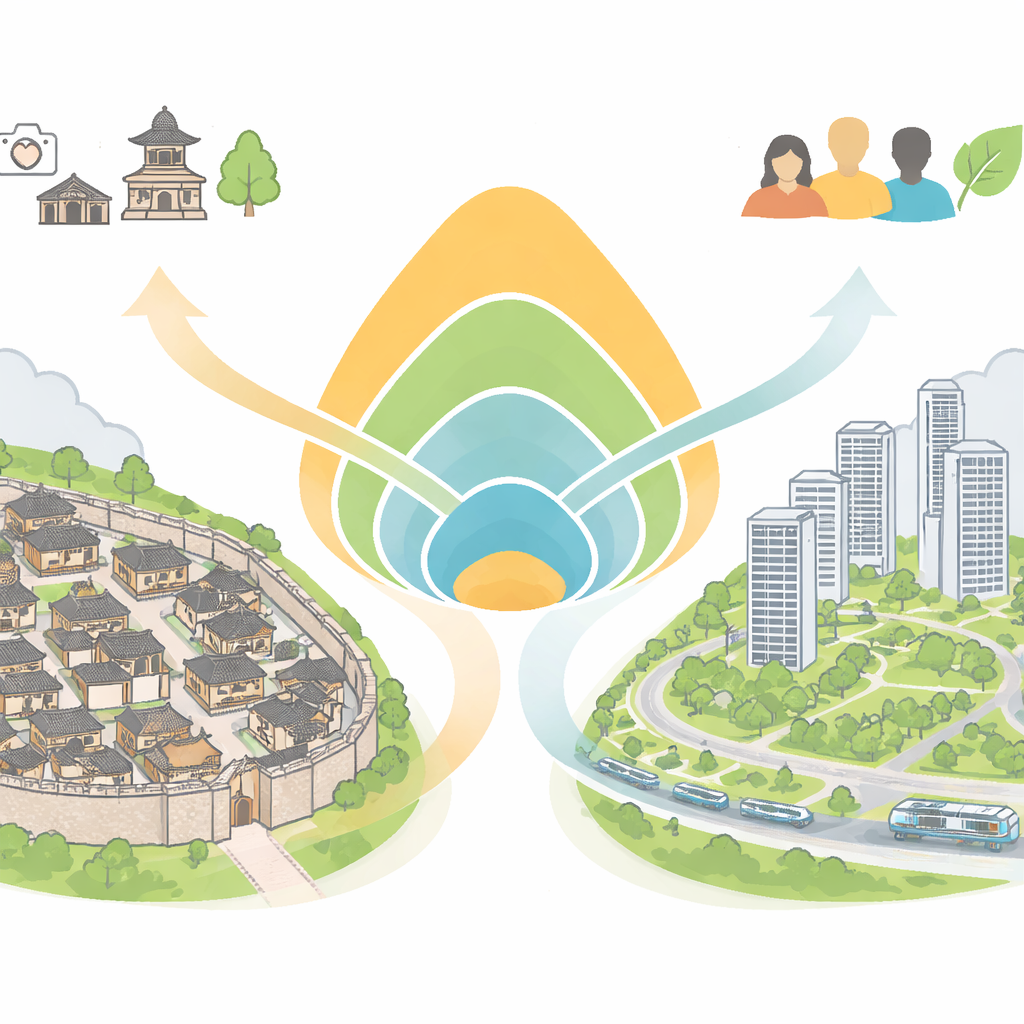
Different eyes on the same streets
The results show that experts and the public look at the same city through different lenses. For professionals, cultural stories, long‑term history, and the overall layout of buildings form the core of Pingyao’s value. They see social life and environmental concerns as important, but still secondary. Ordinary users, in contrast, respond most strongly to what they can see and feel: distinctive buildings, lively streets, festivals, and the sense of belonging that comes from shared public spaces. They also notice whether the city feels green, comfortable, and economically alive, but these factors tend to support rather than define their sense of what makes Pingyao special. The study shows that neither view is wrong; together, they reveal a fuller picture of what keeps a historic city meaningful.
Building a shared roadmap for change
To turn these diverse views into guidance for decision‑makers, the authors used a step‑by‑step reading of interview texts to build a simple three‑layer model. At the core sit the most stable values: long history, rich culture, and recognizable traditional architecture. Around this, a layer of social identity links people to place through memory, daily routines, and community events. Finally, an outer layer of sustainable values connects heritage to green spaces, tourism income, and the city’s ability to adapt to future pressures. In this picture, preserving old streets and walls is not an end in itself; it is the anchor for social life and for new investments that keep the city livable. 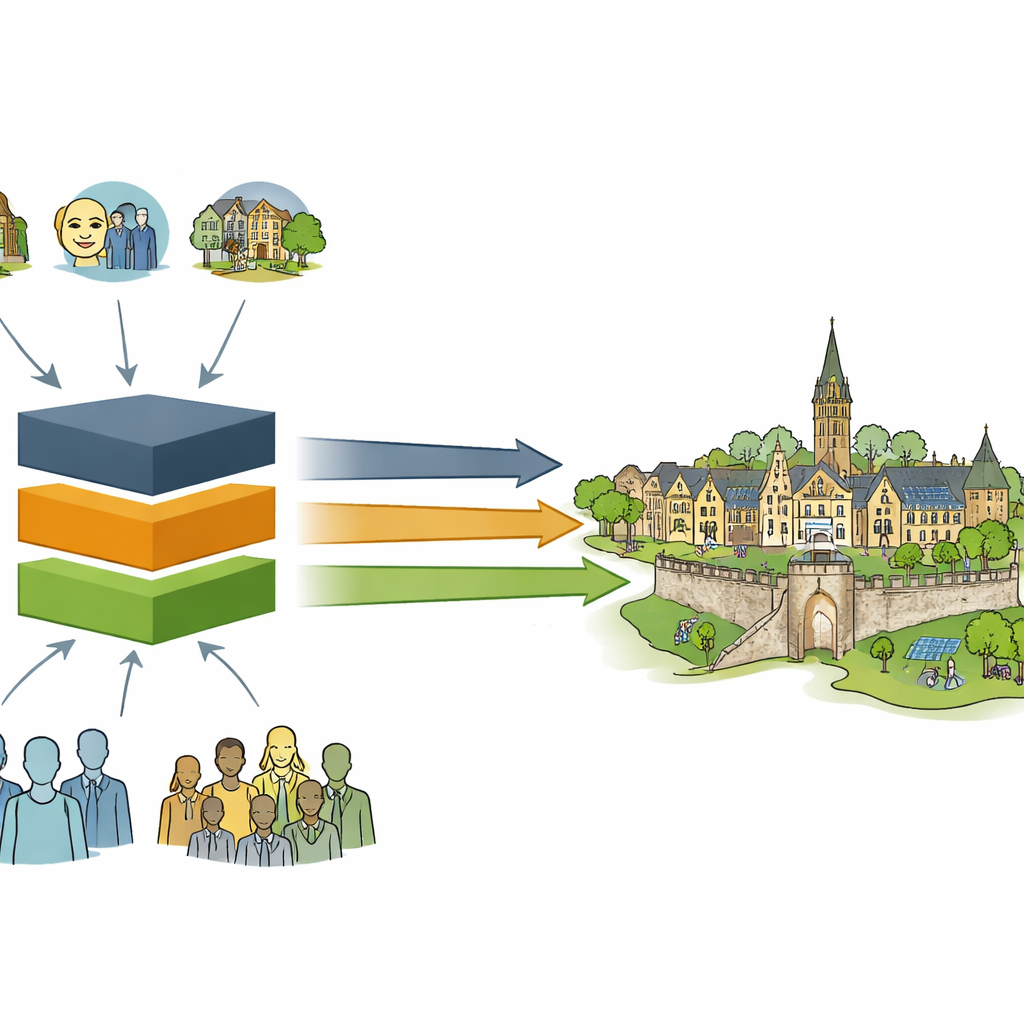
What this means for the future of old cities
The article concludes that planning for historic cities should start from a clear understanding of what different groups value, rather than assuming that experts always know best. By recognising both professional concerns for continuity and public concerns for everyday use and atmosphere, city leaders can design policies that protect heritage while supporting jobs, housing, and green improvements. For Pingyao and similar cities worldwide, this three‑tier framework offers a practical way to turn shared values into maps, pilot projects, and funding plans. In plain terms, it shows how to keep old cities not only beautiful to look at, but also good places to live, work, and visit for generations to come.
Citation: Ma, X., Utaberta, N. & Zainordin, N. Framework for sustainable urban development of historical and cultural cities based on outstanding universal values. Humanit Soc Sci Commun 13, 449 (2026). https://doi.org/10.1057/s41599-026-06815-x
Keywords: historic cities, urban heritage, Pingyao, sustainable development, cultural tourism