Clear Sky Science · en
Validation of the De Jong Gierveld Loneliness Scale (DJGLS) in the Czech Environment
Why Feeling Alone Matters
Most people feel lonely at some point in their lives, but turning that private feeling into solid numbers is surprisingly hard. This paper looks at whether a well-known loneliness questionnaire, the De Jong Gierveld Loneliness Scale, really works for adults living in the Czech Republic. Having a trustworthy way to measure loneliness is crucial, because feeling alone is tied to poorer health, greater risk of depression and anxiety, and even shorter life expectancy. By checking how well this scale performs, the authors aim to give doctors, researchers, and policymakers a reliable tool for spotting who is at risk and whether support programs are actually helping.
Loneliness as More Than Just Being Alone
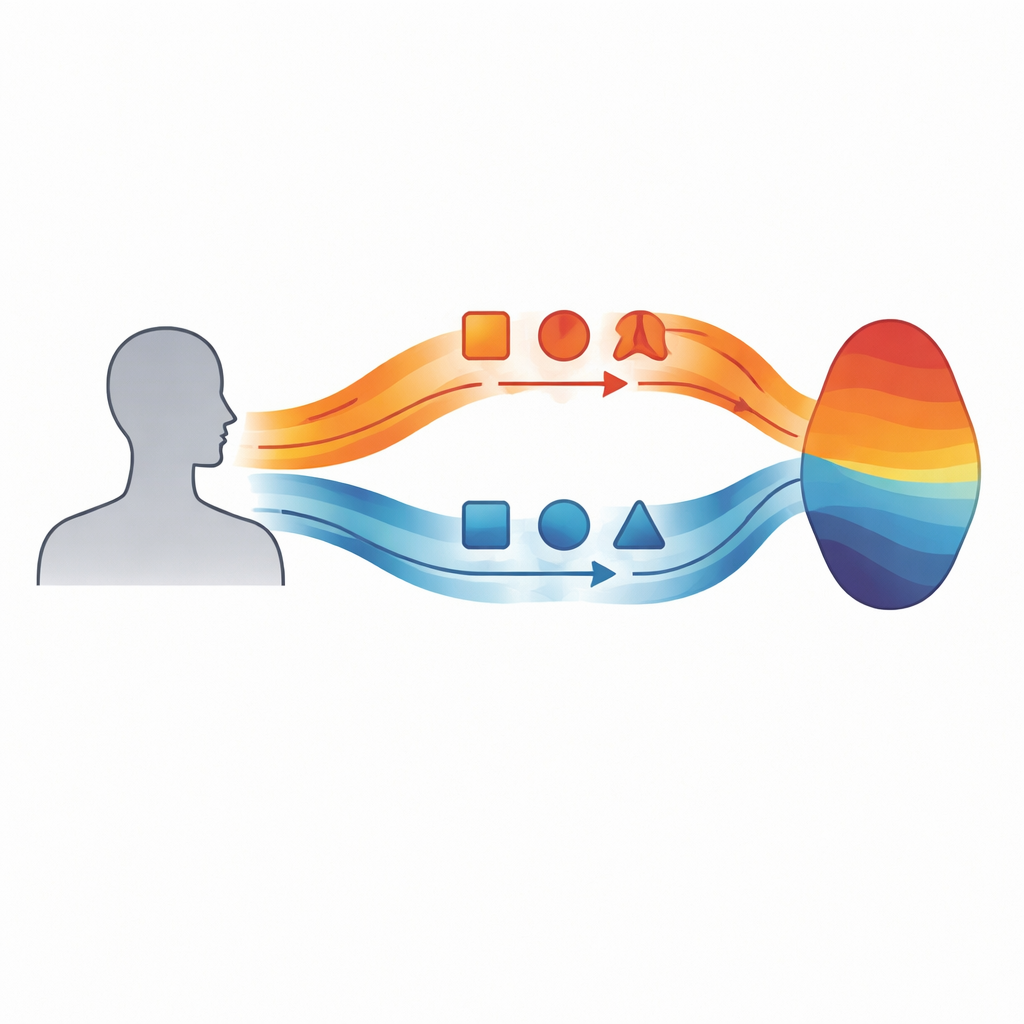
Loneliness is not simply a matter of how many friends someone has or how often they go out. The authors highlight two key sides of loneliness. One is emotional loneliness, the pain that comes from missing close, intimate bonds, such as a trusted partner or best friend. The other is social loneliness, the sense of not belonging to a wider circle or community. The De Jong Gierveld Loneliness Scale (DJGLS) was created to capture both of these sides using only 11 brief questions, and has already been tested in many countries. However, until now it had not been thoroughly examined in the Czech context, even though studies suggest that people in Central and Eastern Europe report higher levels of loneliness than many of their European neighbors.
How the Study Was Carried Out
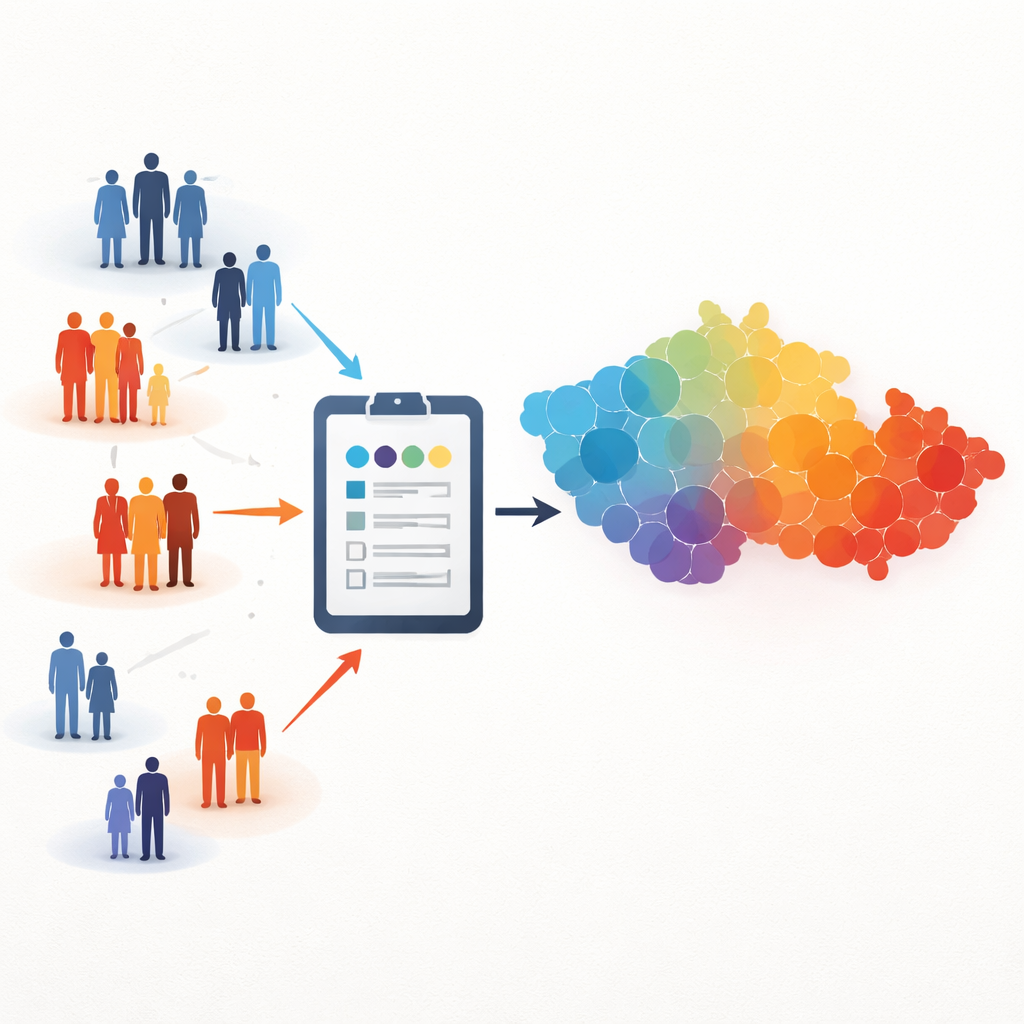
To test the scale, the researchers surveyed 3911 Czech adults, mostly young and middle-aged, using an online questionnaire. They carefully cleaned the data by removing suspicious or extremely fast responses, and then checked whether the loneliness items behaved in a statistically sound way. Using advanced techniques that look for hidden patterns among answers, they compared several models of how loneliness might be structured: as a single overall feeling, as two separate but related types, and as more complex mixtures that try to separate real content from quirks in how questions are worded. They also invited a smaller group of 50 adults to fill out the same loneliness questions again two weeks later, to see whether scores remained stable over time.
What the Numbers Revealed
The analyses showed that loneliness is better understood as having both emotional and social sides that feed into a single overall experience, rather than as just one flat feeling. A complex statistical model that treated overall loneliness as a broad umbrella and emotional and social loneliness as two nested pieces fit both the data and psychological theory well. The scale’s scores were consistent across its items and remained fairly stable over the two-week period, meaning people’s answers did not jump around randomly. Importantly, the scale worked in the same way for men and women, for younger and older adults, and for people with and without a partner, allowing fair comparisons between these groups.
Who Feels Lonelier, and Why That Matters
When the researchers looked at people’s backgrounds, some patterns stood out. Men tended to report higher loneliness scores than women, which contrasts with many earlier studies that often find the opposite, especially in older age. People with less education and those who were single and not in a partnership also reported more loneliness. Loneliness scores were moderately linked to another very short loneliness measure, confirming that both tools tap into a similar experience. As expected, higher loneliness went hand in hand with more symptoms of anxiety and depression, and with lower self-esteem and life satisfaction. These links suggest that loneliness is deeply intertwined with overall mental well-being, not just a passing mood.
What This Means for Everyday Life
For non-specialists, the main message is that loneliness can be measured in a careful and meaningful way, and that this particular scale does a good job among Czech adults. The DJGLS can provide a single overall score as well as separate views of emotional and social loneliness, helping counselors, health workers, and community planners understand not just how lonely people feel, but also what kind of connection they may be missing. Because the tool performs reliably and fairly across different groups, it can support large surveys, guide prevention programs, and help evaluate whether efforts to reduce loneliness are working. In short, this study shows that a short set of questions can open a clear window into a complex and important part of human life.
Citation: Buchta, O., Malinakova, K., Novak, L. et al. Validation of the De Jong Gierveld Loneliness Scale (DJGLS) in the Czech Environment. Humanit Soc Sci Commun 13, 418 (2026). https://doi.org/10.1057/s41599-026-06544-1
Keywords: loneliness, psychological measurement, Czech Republic, mental health, social connection