Clear Sky Science · en
A scoping review of studies on secure messaging through patient portals: persistent challenges and potential solutions
Why your online health messages matter
Many people now send questions to their doctors through online portals instead of picking up the phone. This article looks at what researchers have learned from hundreds of studies about these secure messages: how they help patients manage their health, what problems they create for both patients and clinicians, and how new artificial intelligence tools might change this everyday form of communication.
What secure health messages are
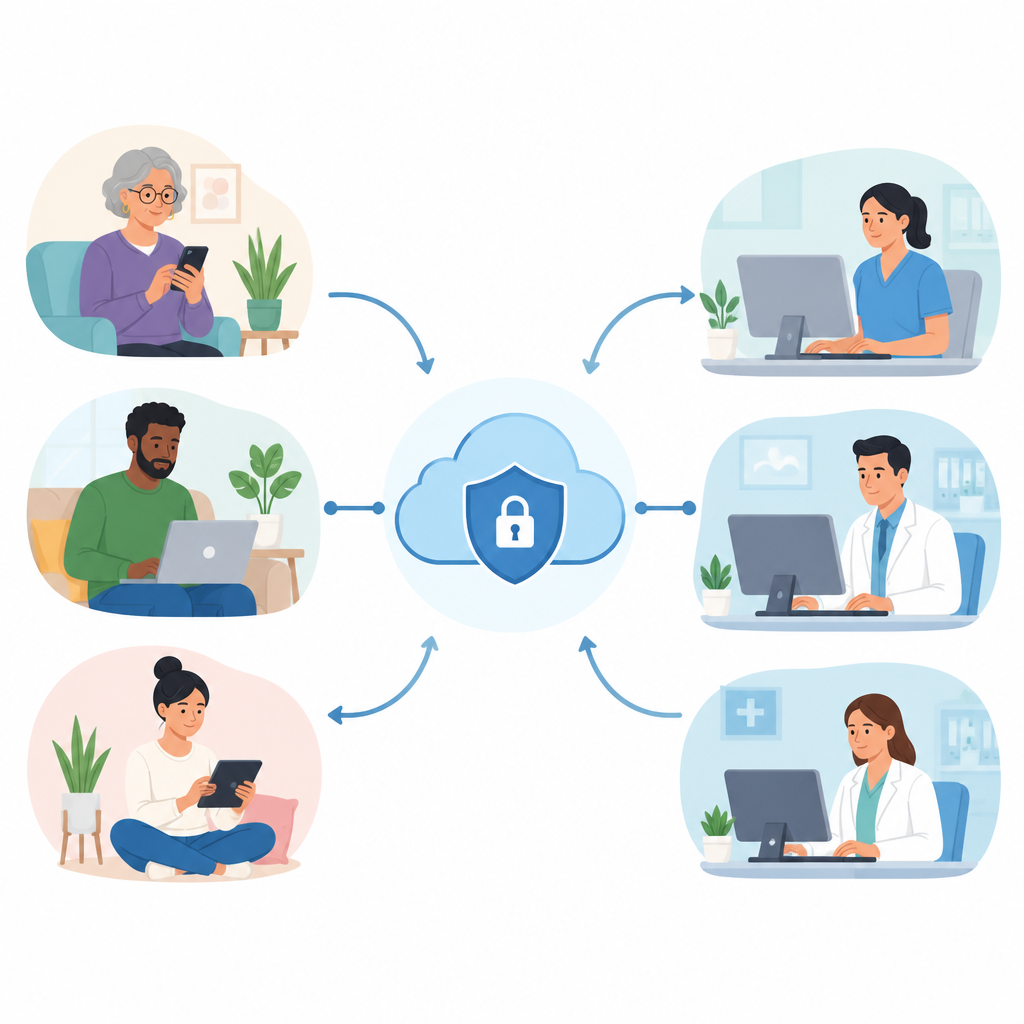
Secure messaging is the built-in email-like feature of patient portals that lets only you and your care team read what is sent. It has grown rapidly since around 2010 as electronic health records became standard. The authors reviewed 366 studies from the United States to understand how this kind of messaging affects real-world care. They grouped the research into themes such as health results, who uses messaging, user experiences, message content, computer tools, and new AI systems that help manage or answer messages.
How messaging can help care
Many studies found that portal messages can support better health. People with long term conditions like diabetes, high blood pressure, and some cancers often used messages to share readings, adjust medicines, and ask follow up questions, which was linked in several studies to improved control of their conditions or better survival and symptom tracking. Messages have also been used to nudge patients about vaccines, cancer screening, refills, and follow up visits, sometimes with higher response rates than mail or phone. In primary care, secure messaging can reduce certain urgent or in person visits by handling simple questions or updates from home. Portals have also become powerful tools for recruiting patients into research by sending targeted invitations.
Who benefits and who is left out
Use of secure messaging is not spread evenly. Patients who message most tend to be younger, women, white, insured, more educated, and living in higher income areas. People who are older, have limited English, low literacy, poor internet access, or unstable housing often use messages less, even when they have serious health needs. Caregivers, such as parents of teens or family members of older adults, frequently message on a patient’s behalf, raising questions about privacy and control. These patterns suggest that without careful design, messaging may widen gaps in care rather than close them.
Hidden stress on clinicians
From the clinician side, the picture is mixed. Patients often report high satisfaction and feel that messaging improves access, helps with sensitive topics, and strengthens relationships. Clinicians value easier refills, scheduling, and coordination. At the same time, message volume has surged, especially after COVID-19, adding hours of extra work and frequent task switching. Many doctors describe emotional strain from difficult messages and worry about liability when patients use the portal for urgent problems. Early efforts to bill for time spent on complex messages have had limited uptake and uncertain effects on fairness and access.
How computers and AI are being used
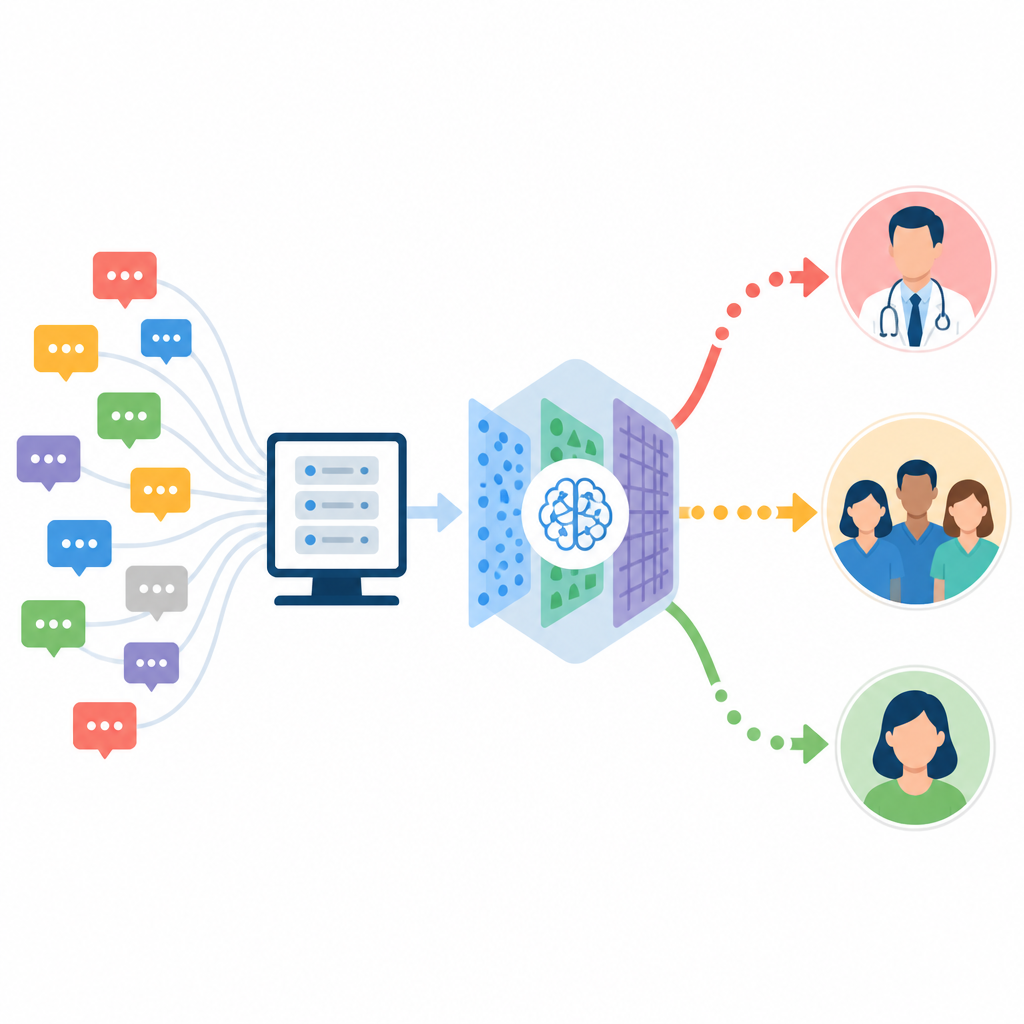
Researchers are increasingly turning to computer methods to tame the growing flood of messages. Earlier work used language tools and machine learning to sort messages by topic or urgency, flag social or mental health needs, and estimate how complex a doctor’s decision might be. More recent studies test large language models that draft replies to patient questions or help teams triage messages. In experiments, people often rated AI drafted replies as clear and sometimes more empathetic than human ones, but pilots in real clinics showed that doctors still edited almost every draft and worried about factual errors, overuse, and the risk of weakening trust.
What needs to happen next
Overall, the review concludes that secure messaging can make care more continuous and convenient, but it also brings stubborn problems with fairness, privacy, and clinician workload. The authors argue that future tools, especially those using AI, must be built into clinic routines in ways that truly save time, support clear and kind communication, and protect patients from mistakes or misuse. They call for better education for patients and providers, designs that work for people with low digital skills or limited English, and strong rules for how AI is used. With careful choices, everyday portal messages could become a safer, more equal way for people to stay connected with their care teams.
Citation: Guo, Y., Hu, D., Zhou, Y. et al. A scoping review of studies on secure messaging through patient portals: persistent challenges and potential solutions. npj Health Syst. 3, 34 (2026). https://doi.org/10.1038/s44401-026-00091-2
Keywords: secure messaging, patient portals, digital health, healthcare AI, patient communication