Clear Sky Science · en
Uptake of cervical cancer screening and associated factors among women living with HIV in Tanzania
Why This Matters for Women’s Health
Cervical cancer is one of the deadliest cancers for women worldwide, yet it is largely preventable with simple screening tests. For women living with HIV, the stakes are especially high because their weakened immune systems make them much more vulnerable to cervical cancer. This study looks at how many women living with HIV in Tanzania are actually getting screened, and which life circumstances make screening more or less likely. Understanding these patterns can help health programs reach the women who need protection the most.
A Preventable Cancer, Uneven Protection
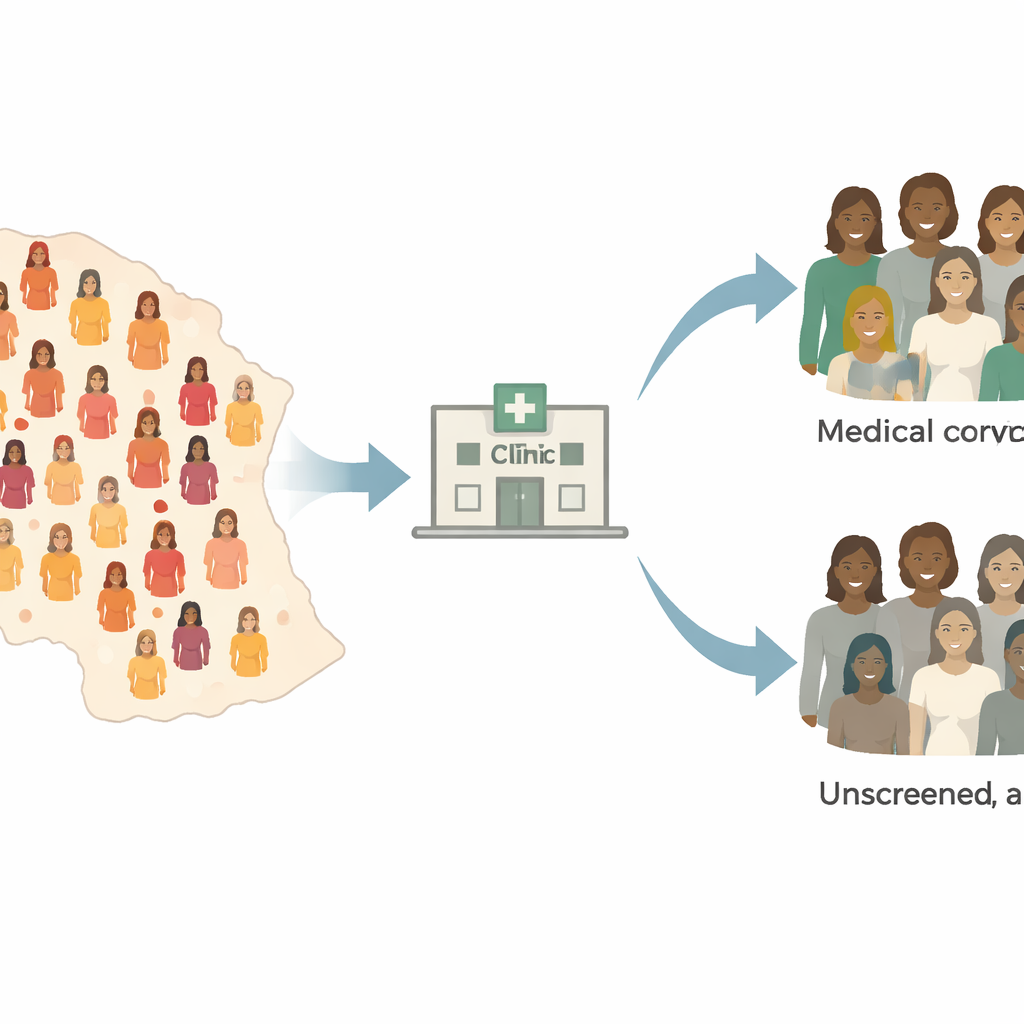
The authors begin by reminding us that cervical cancer hits low- and middle-income countries hardest, with Eastern and Southern Africa carrying a large share of the burden. Almost all cervical cancers are caused by persistent infection with certain types of human papillomavirus (HPV), and HIV infection further raises the risk of HPV-related disease. In Tanzania, cervical cancer remains the leading cancer among women, and women living with HIV are about six times more likely to develop it than women without HIV. The World Health Organization has set ambitious global goals for vaccination, screening, and treatment, but the reality on the ground in many parts of Africa still falls far short of these targets.
Taking a Nationwide Look
To understand the situation across the whole country rather than in one clinic or region, the researchers analyzed data from the 2022–2023 Tanzania HIV Impact Survey, a large household study that included laboratory testing for HIV. From this survey, they focused on 1,293 women aged 15 and older who were living with HIV. They examined whether each woman had ever been screened for cervical cancer, and then looked at how this related to age, where she lived, education, wealth, marital status, region of the country, and whether she was receiving regular HIV care at a health facility. By using statistical methods suited to nationwide surveys, they were able to estimate patterns that apply to women living with HIV across Tanzania.
Who Is Getting Screened—and Who Is Left Out
The picture that emerged is sobering: only about one in three women living with HIV reported ever having had a cervical cancer screening test. That means roughly two out of three had never been screened, despite their higher risk. Screening was far more common among women aged 30 and older than among younger women, suggesting that many at-risk young adults are being missed. Women living in cities were more likely to have been screened than those in rural areas, reflecting better access to clinics, health information, and transportation in urban settings. Screening rates also rose with household wealth, even though services are officially free, hinting that indirect costs like travel and time away from work still deter poorer women.
The Power of Health Services and Place
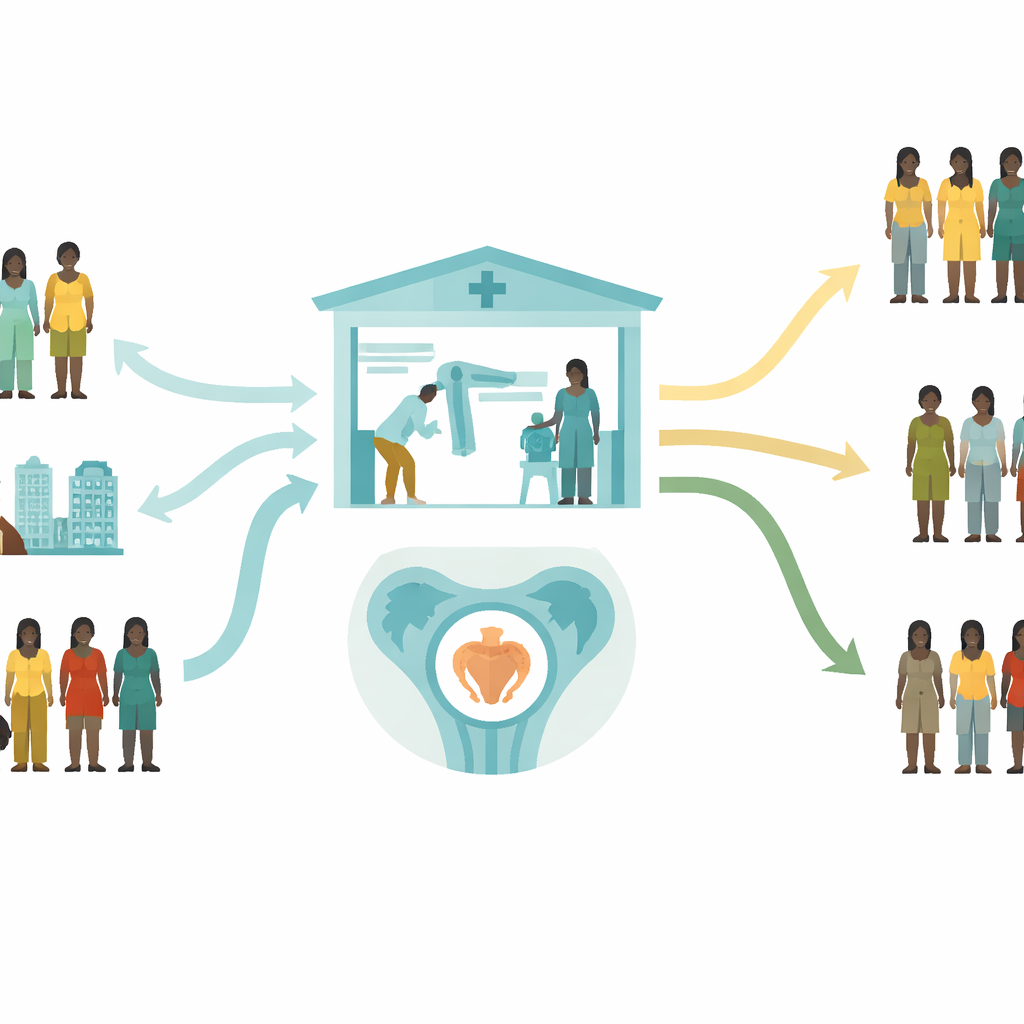
Beyond income and location, a woman’s connection to the health system strongly shaped her chances of screening. Women who were already in regular HIV care at a clinic were more than twice as likely to report having been screened compared with those not in care, underscoring the value of integrating cervical screening into routine HIV services. Marital history also mattered: women who were married or previously married were more likely to have been screened than those who had never married, perhaps because of more frequent contact with reproductive health services or family encouragement. Geographically, women living in coastal areas, where major hospitals and cancer centers are concentrated and non-governmental organizations run active outreach programs, had higher screening uptake than women in other zones.
What Needs to Change
The authors conclude that Tanzania has made important policy commitments, but real-world coverage of cervical cancer screening among women living with HIV remains far below global goals. Because age, wealth, residence, and clinic contact so strongly influence who gets screened, the study points to clear priorities: expand mobile and outreach services in rural and poorer communities, strengthen integration of screening into HIV clinics, and design programs that specifically reach younger and never-married women. If these gaps can be closed, many cervical cancers could be prevented or caught early, turning a largely avoidable cause of death into a much rarer event for women living with HIV in Tanzania.
Citation: Adam, J., Mbise, F., Mwaisengela, S. et al. Uptake of cervical cancer screening and associated factors among women living with HIV in Tanzania. npj Womens Health 4, 21 (2026). https://doi.org/10.1038/s44294-026-00143-w
Keywords: cervical cancer screening, women living with HIV, Tanzania, health inequalities, preventive care