Clear Sky Science · en
The mediating role of gaslighting as a psychological violence between self-silencing and psychological distress
Why Hidden Feelings in Love Matter
Many people have stayed quiet in a relationship to keep the peace—swallowing hurt, hiding anger, or agreeing when they disagree. This study looks at what happens when young women do this regularly. It explores how constantly putting a partner’s needs first can make women more vulnerable to a subtle form of emotional abuse called gaslighting, and how together these patterns can fuel depression, anxiety, and stress.
Keeping Quiet to Keep the Relationship
The researchers focus on a pattern they call self-silencing: setting aside one’s own needs, opinions, and emotions to avoid conflict and keep a romantic relationship intact. Women who self-silence may present a version of themselves that looks calm and agreeable on the outside while feeling divided and unheard inside. Over time, this inner split—between what they really think and what they feel allowed to say—can erode their sense of identity and is linked to sadness, anger turned inward, and emotional exhaustion.
When Silence Meets Subtle Abuse
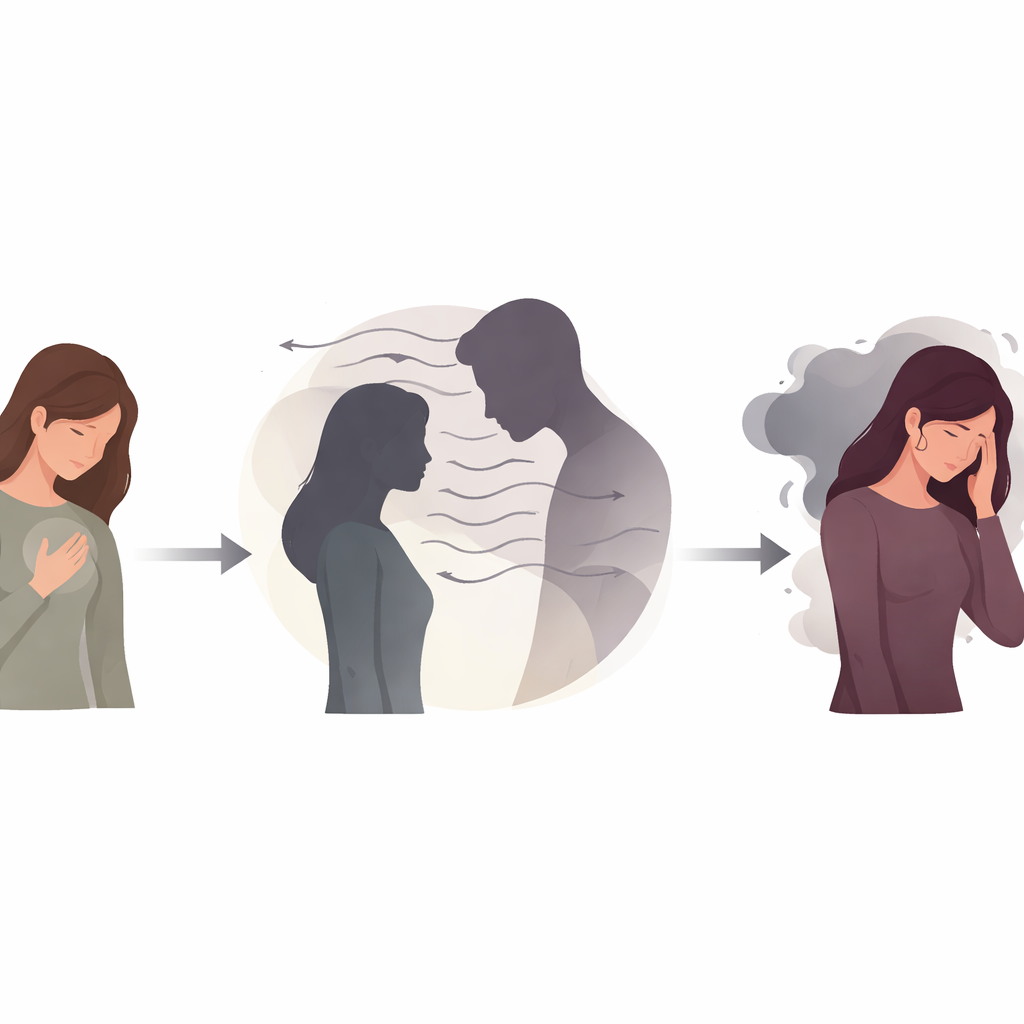
Gaslighting is a style of manipulation in which one person gradually causes another to doubt her own memory, feelings, and judgment—leaving her unsure of what is real. In romantic relationships, it can appear as a partner denying obvious events, twisting blame, or dismissing emotional reactions as “overreactions.” Because self-silencing women already question whether their needs are valid, the authors suggest they may be especially easy targets for this kind of psychological bullying, which seeks not just control, but the other person’s full submission.
The Study: Young Women in Romantic Relationships
The study surveyed 333 women in Türkiye between the ages of 20 and 40 who were currently in a romantic relationship. Participants completed standardized questionnaires that measured how often they silenced themselves, how frequently they experienced gaslighting behaviors from a partner, and their levels of depression, anxiety, and stress. The researchers used statistical models to test not only whether these three experiences were linked, but also whether gaslighting could explain part of the pathway between self-silencing and psychological distress.
How Gaslighting Connects Silence and Distress
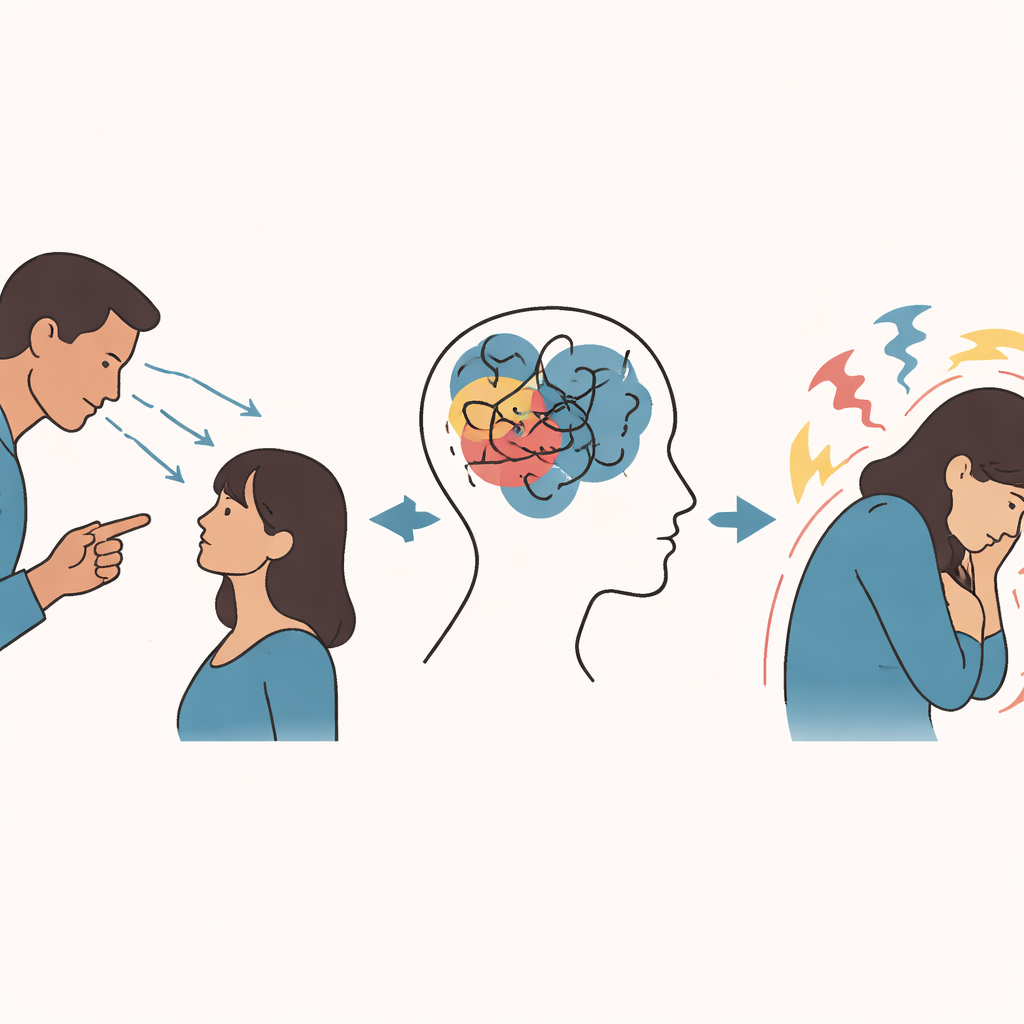
The results painted a clear chain of connection. Women who reported higher levels of self-silencing were more likely to report higher exposure to gaslighting. Both self-silencing and gaslighting, in turn, were strongly associated with higher levels of depression, anxiety, and stress. When all variables were examined together, gaslighting partly explained how self-silencing translated into emotional suffering: staying silent predicted more gaslighting, which then predicted more psychological distress. Even after accounting for gaslighting, self-silencing on its own still had a strong direct link to distress, showing that both silence and manipulation take a toll.
What These Findings Mean for Everyday Life
To a layperson, the message is straightforward: regularly silencing yourself in a relationship is not just a harmless habit; it can open the door to mistreatment and gradually wear down your mental health. When a partner repeatedly makes you doubt your reality or feel guilty for having normal reactions, your risk for depression, anxiety, and ongoing stress rises. The study suggests that learning to recognize and resist gaslighting, and to speak up for one’s own needs, may be crucial steps in protecting emotional well-being—especially for young women navigating the often intense and identity-shaping world of romantic love.
Citation: Aras, E., Demir-Kaya, M. The mediating role of gaslighting as a psychological violence between self-silencing and psychological distress. Sci Rep 16, 12364 (2026). https://doi.org/10.1038/s41598-026-47134-0
Keywords: gaslighting, self-silencing, romantic relationships, psychological distress, women's mental health