Clear Sky Science · en
Mental health of palestinian undergraduates during the War on Gaza: a cross-sectional study on PTSD, CPTSD, and psychological distress
Young Minds Under Fire
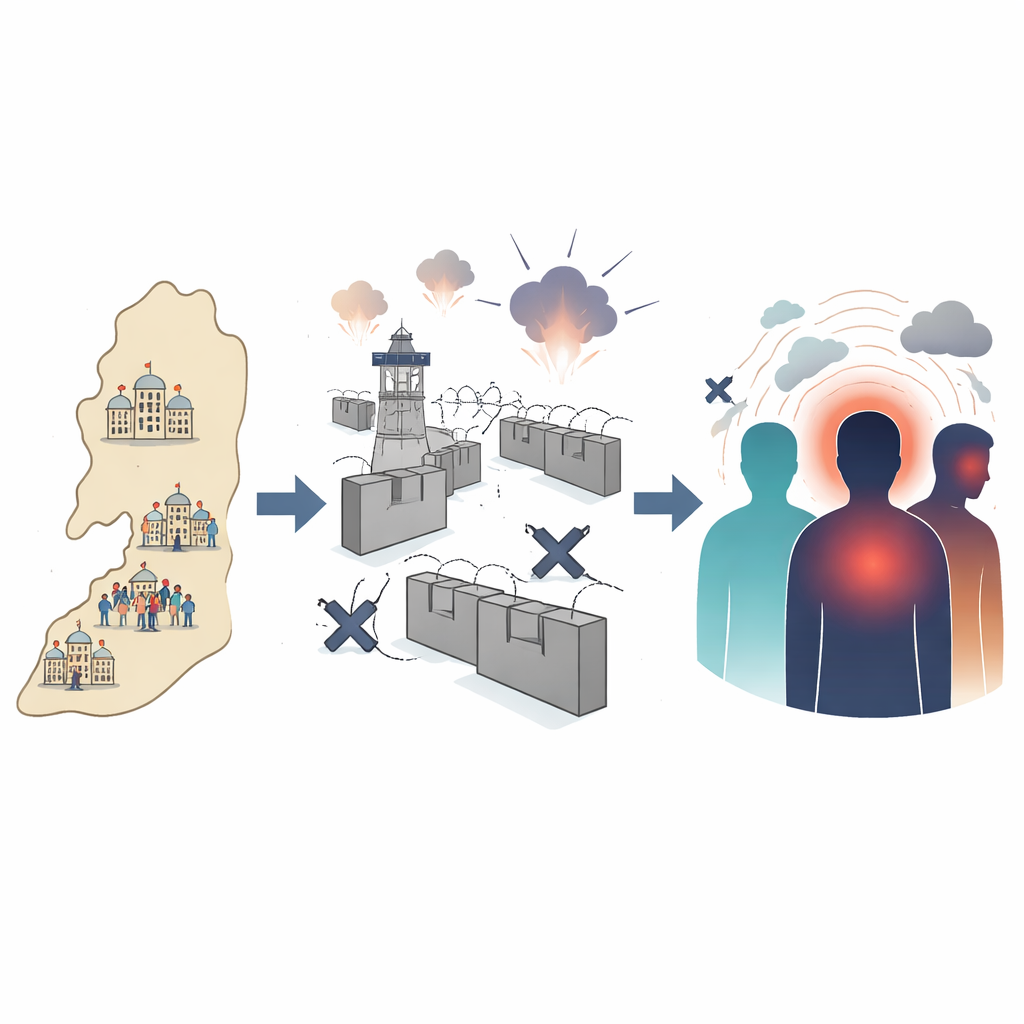
War is often described in numbers of bombs and casualties, but its invisible scars can be just as devastating. This study looks at how the ongoing war on Gaza, together with years of political tension, is affecting the mental well‑being of Palestinian university students in the West Bank. These young adults are trying to study, work, and build their futures while living with constant news of violence, daily obstacles to movement, and fear for loved ones. Understanding what they are going through helps explain how prolonged conflict can shape a whole generation’s emotional health.
Life in the Shadow of Conflict
The researchers focused on 819 undergraduate students from major universities across the West Bank, including Jerusalem, Hebron, Jenin, Ramallah, Bethlehem, and Nablus. Data were collected online between February and April 2024, roughly four to six months after the latest war escalated. For many students, classes had shifted online or been heavily disrupted, while others still had to cross military checkpoints to reach campuses or hospitals for clinical training. The team asked about age, gender, place of residence, finances, health, and daily exposure to checkpoints, and then assessed students’ mental health using established screening tools.
Hidden Burden of Distress
The results revealed an overwhelming level of emotional strain. Nearly nine out of ten students showed signs of significant psychological distress. More than half met criteria for post‑traumatic stress, and roughly one quarter showed the more severe pattern known as complex post‑traumatic stress, which includes persistent problems with mood, self‑worth, and relationships in addition to classic trauma symptoms such as nightmares and intrusive memories. Many students reported feeling constantly on edge, easily startled, and impaired in their daily lives by these symptoms. Yet only a tiny fraction—about one in forty—had received any professional mental health support during this period.
Checkpoints, Hardship, and Extra Risk
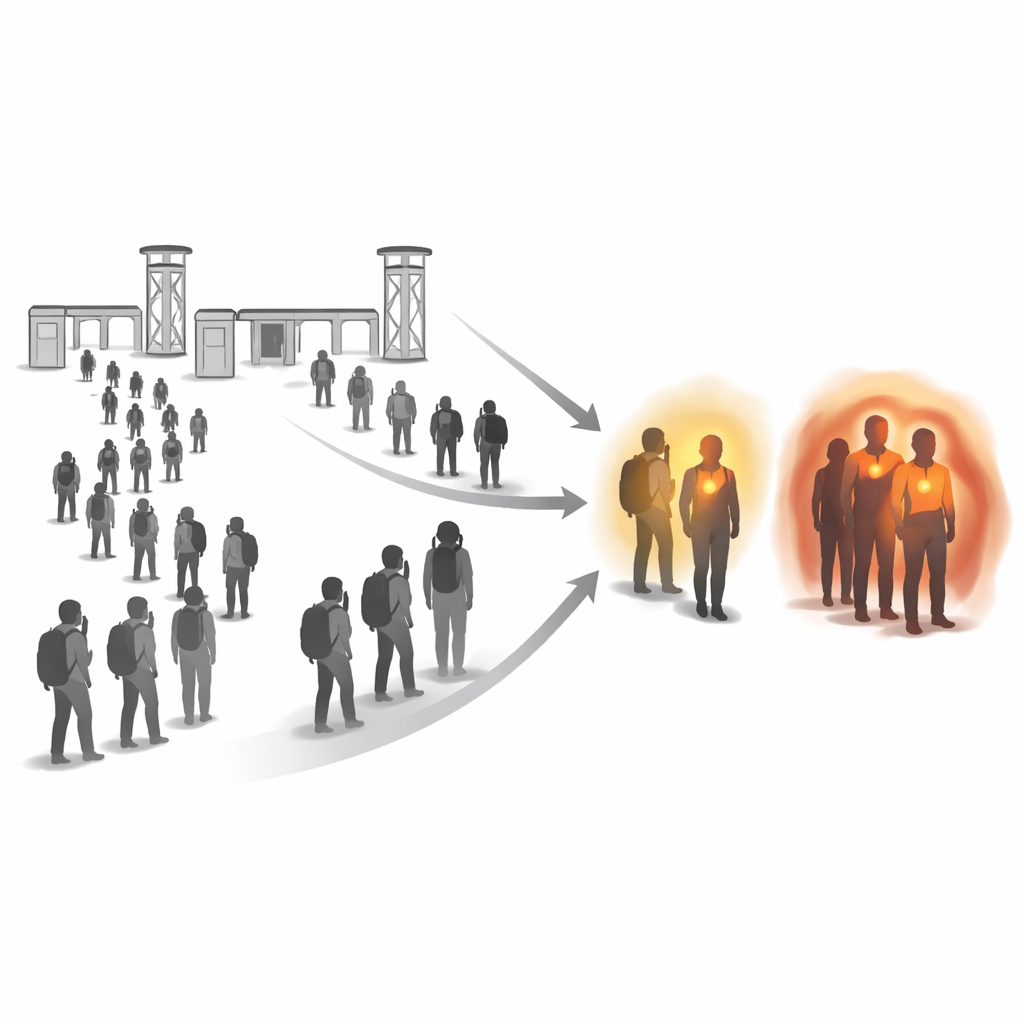
Beyond the overall high rates of suffering, the study identified specific pressures that made some students more vulnerable than others. Those who regularly crossed four or more military checkpoints had more than triple the odds of having post‑traumatic stress or complex post‑traumatic stress compared with students who did not cross checkpoints at all. These daily crossings are more than simple delays; they are repeated experiences of uncertainty, powerlessness, and fear that build up over time. Students whose families were hit hard economically by the conflict were also far more likely to have serious trauma symptoms. For complex post‑traumatic stress, having a past mental health diagnosis added further risk, suggesting that earlier difficulties can be amplified by ongoing conflict.
Ways of Coping and Signs of Strength
Despite such heavy burdens, the students also showed strong cultural and personal coping resources. The vast majority turned to religious practices—such as prayer—for comfort and meaning. Many tried to distract themselves with other activities or take practical steps to manage problems. Still, a substantial minority reported avoidant strategies such as giving up, using sedatives, or turning to alcohol or stimulants, which may provide short‑term relief but can worsen mental health over time. The study highlights how important it is for any support programs to respect and build on local traditions and beliefs, while also offering healthier alternatives to harmful coping.
What This Means for the Future
Overall, the study paints a picture of a generation of students carrying a heavy psychological load as they pursue their education under occupation and war. High levels of distress, frequent post‑traumatic symptoms, and the particular vulnerability of students facing multiple checkpoints and economic hardship point to a serious and ongoing mental health crisis. The authors argue that universities and health authorities need to create accessible, culturally sensitive services that address both classic trauma symptoms and deeper struggles with emotion, self‑image, and relationships. Without such support, the unseen wounds of conflict risk limiting not only individual lives but the future of an entire society.
Citation: Baker, I., Zrineh, A., Qadire, M.A. et al. Mental health of palestinian undergraduates during the War on Gaza: a cross-sectional study on PTSD, CPTSD, and psychological distress. Sci Rep 16, 10923 (2026). https://doi.org/10.1038/s41598-026-44892-9
Keywords: war trauma, university students, Palestine, post-traumatic stress, mental health