Clear Sky Science · en
Cross-cultural adaptation, validity, and reliability of the Turkish version of the athlete disability index
Why back pain in athletes matters
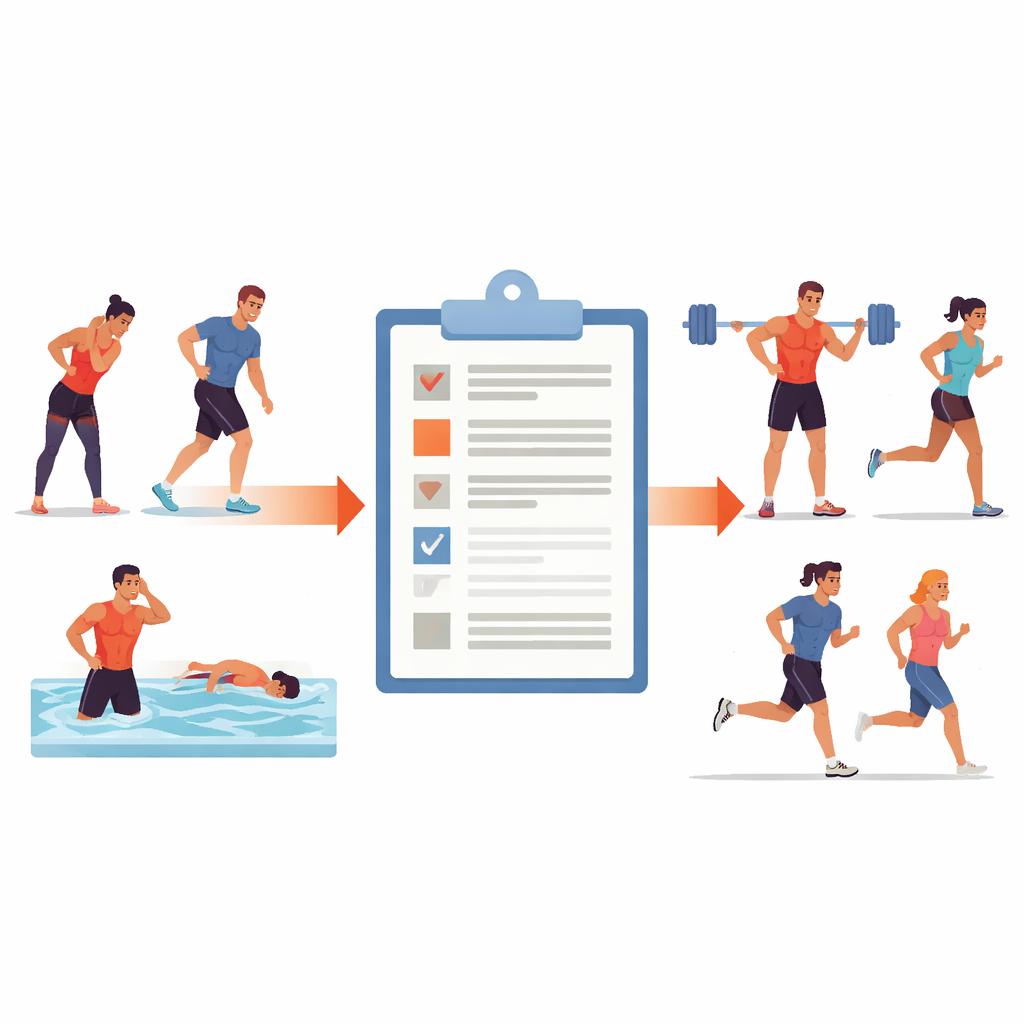
For many athletes, a sore lower back is more than an everyday ache—it can quietly erode performance, shorten careers, and limit enjoyment of sport. Yet most medical questionnaires that measure how back pain affects daily life were built for the general public, not for people who sprint, lift heavy weights, or twist and jump at high speeds. This study introduces and tests a Turkish version of a specialized questionnaire designed specifically for athletes, asking whether it truly captures how low back pain interferes with both everyday tasks and demanding training.
A problem bigger than a simple ache
Low back pain is one of the world’s most common musculoskeletal complaints, and athletes are far from immune. Meta-analyses show that roughly half of adult athletes report low back pain in a given year, with similarly high rates in adolescents. Long hours of training, repetitive bending and twisting, heavy loads, and high-impact landings can all strain the spine. Even when athletes can manage household chores or office work without difficulty, pain often appears during explosive movements, heavy lifting, or rapid changes of direction. Standard questionnaires, which focus on walking, dressing, or sitting, may therefore miss the very problems that threaten an athlete’s ability to train and compete.
A questionnaire tailored to sport
To address this gap, researchers previously created the Athlete Disability Index (ADI), a short, self-completed form for adults with low back pain that asks about sport-specific activities as well as sleep, walking, and personal care. In the present study, a Turkish research team carefully translated and culturally adapted the ADI for Turkish-speaking athletes with non-specific low back pain—pain not tied to a specific disease or injury such as a fracture or tumor. Their goal was to ensure that the questions were easy to understand, culturally appropriate, and measured the same idea of back-pain-related disability as the original version used elsewhere.
From translation to testing
The team followed an established five-step process. Two bilingual translators independently produced Turkish versions, which were combined into a single draft. This was then translated back into English by new translators who had not seen the original, allowing the team to spot hidden shifts in meaning. A panel of physiotherapists and a sports medicine physician compared all versions, made wording tweaks to match Turkish language and culture, and then pilot-tested the draft with 20 athletes. Feedback led to minor adjustments on a few items, especially those involving daily leisure or more sensitive topics, to ensure clarity and comfort for respondents.
Putting the tool through its paces
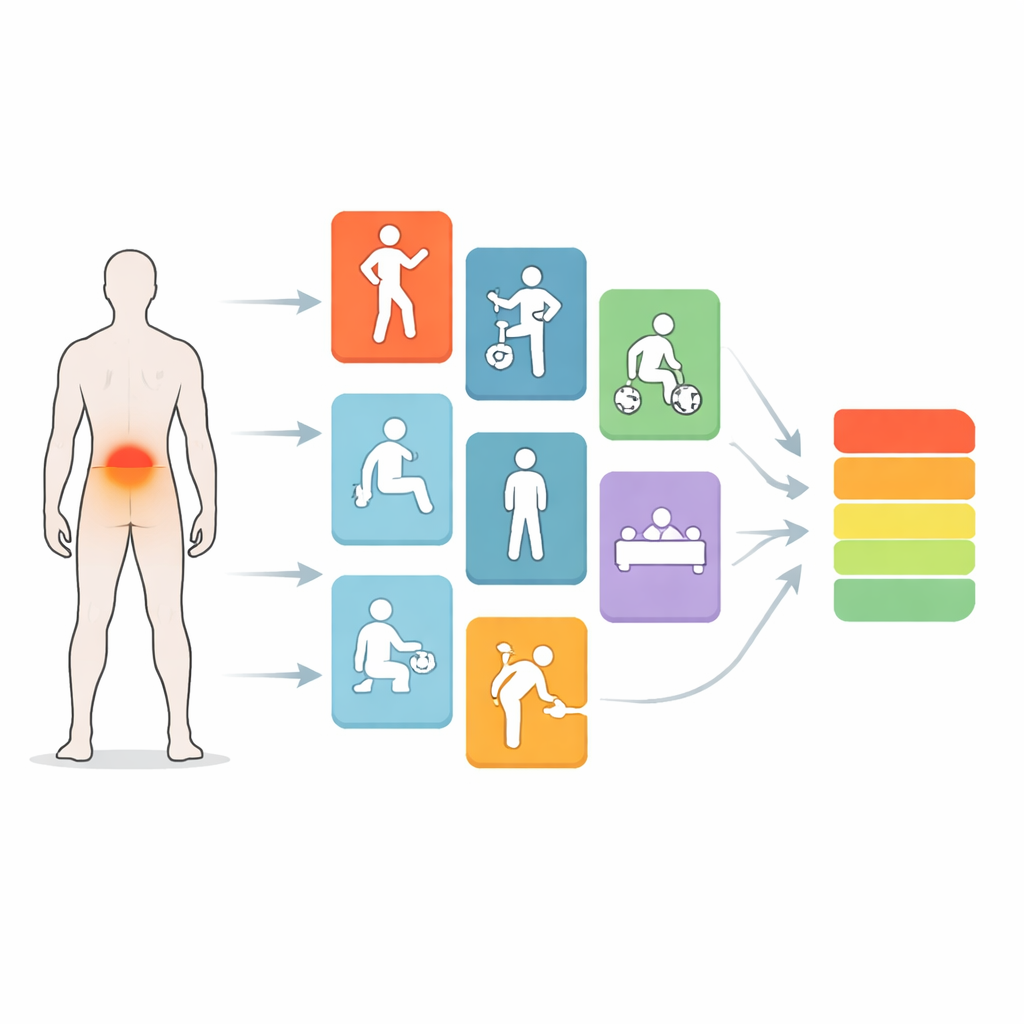
With a final version in hand—called the ADI-Tr—the researchers enrolled 130 Turkish athletes aged 18 to 35 with low back pain lasting more than six weeks, training at least six hours per week in sports ranging from football and combat sports to volleyball and weight training. Athletes completed the ADI-Tr along with widely used pain and disability scales. Most of them filled out the ADI-Tr again one week later, allowing the team to see whether scores stayed stable when athletes’ conditions were unlikely to have changed. The ADI-Tr showed excellent repeatability: individuals gave nearly the same answers a week apart, and the items on the scale worked together coherently as a single measure of back-related disability.
What the numbers reveal
The Turkish athlete-focused scale lined up well with existing tools. Higher ADI-Tr scores—meaning greater trouble from back pain—were moderately to strongly linked with scores on general disability questionnaires and with athletes’ own ratings of pain intensity. At the same time, the ADI-Tr did not simply mirror how long someone had been in pain or how many hours they trained, suggesting it was capturing functional impact rather than just exposure or training volume. No athletes scored at the absolute minimum or maximum, indicating that the scale can distinguish between mild, moderate, and severe limitations without “bunching” at either end.
Why this matters for athletes and clinicians
The study concludes that the Turkish version of the Athlete Disability Index is a solid, trustworthy tool for measuring how low back pain affects the lives and performance of Turkish-speaking athletes. Because it asks about sprinting, strength work, technical skills, and other sport-specific tasks—alongside daily activities—it can reveal problems that general back-pain questionnaires may overlook. Clinicians, physiotherapists, and coaches can use the ADI-Tr to track changes over time, judge whether a treatment or training adjustment is making a real difference, and make more informed decisions about rehabilitation and return to sport.
Citation: Aras Bayram, G., Ergezen Sahin, G., Sahin, M. et al. Cross-cultural adaptation, validity, and reliability of the Turkish version of the athlete disability index. Sci Rep 16, 10948 (2026). https://doi.org/10.1038/s41598-026-44667-2
Keywords: low back pain, athletes, functional disability, questionnaire validation, sports rehabilitation