Clear Sky Science · en
Behavioral determinants of condom use and HIV/STI testing in Chile: a theory-driven mixed-methods study
Why this study matters for everyday life
Condoms and routine tests for HIV and other sexually transmitted infections (STIs) are some of the simplest tools we have to protect sexual health. Yet in Chile, as in many countries, most adults do not use condoms regularly or get tested each year, even though they often know these steps are important. This study asks a very human question: beyond information, what actually drives people’s choices about protection and testing in real life?
Looking at behavior, not just statistics
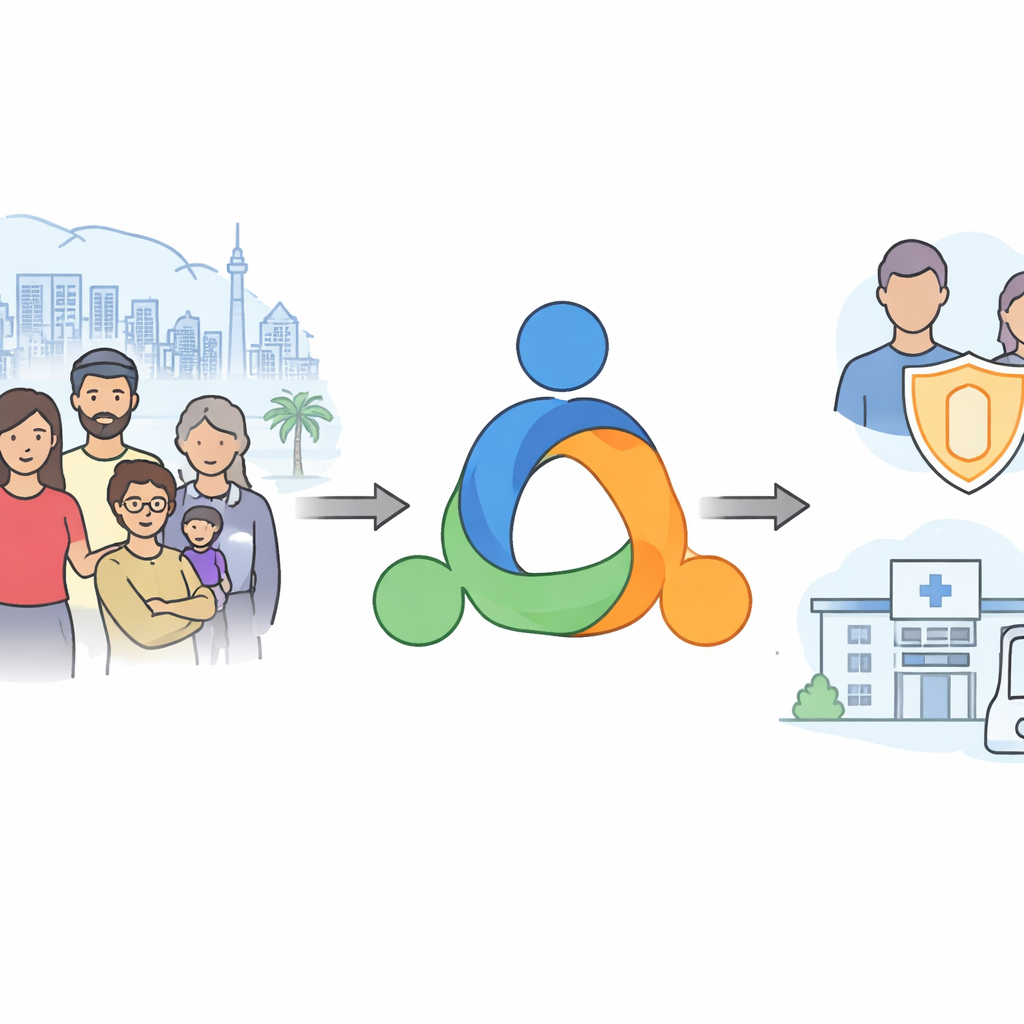
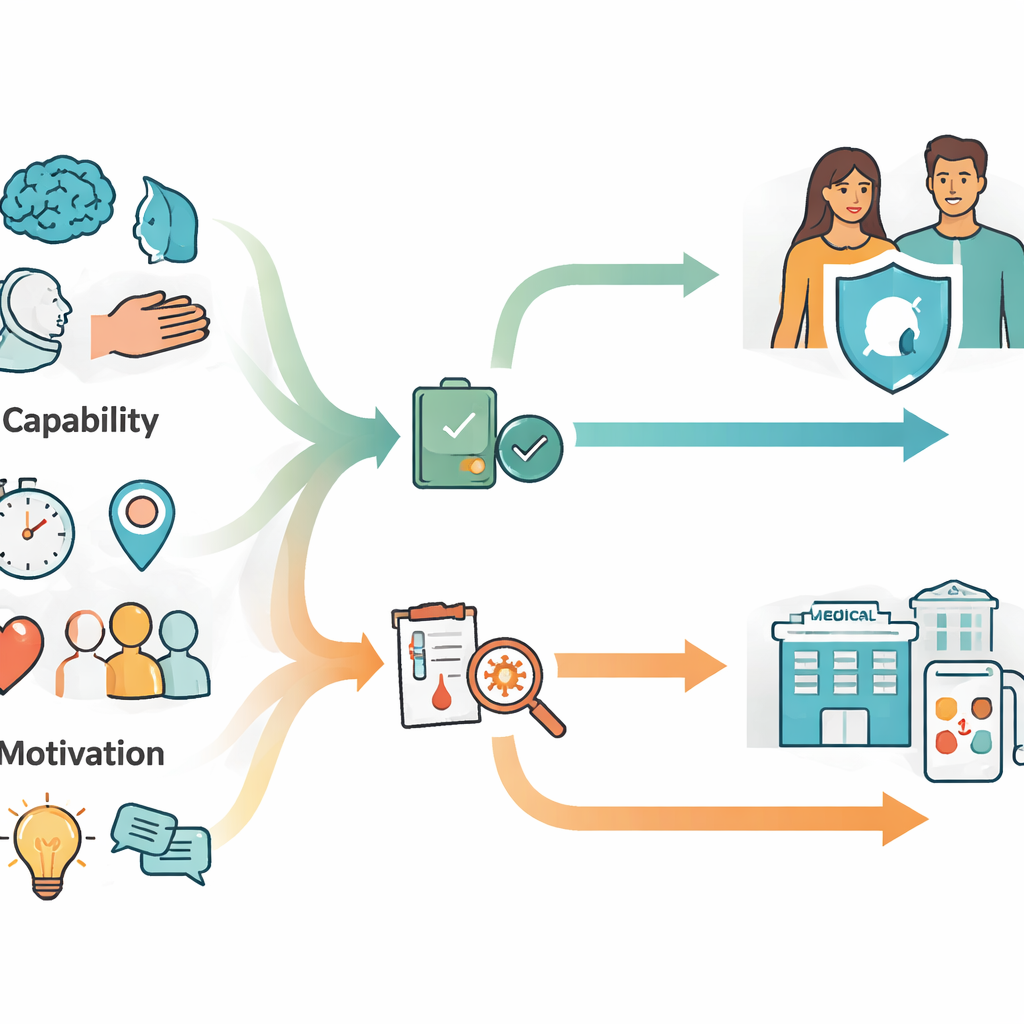
The researchers analyzed answers from over 20,000 adults who took part in Chile’s 2022–2023 National Health, Sexuality, and Gender Survey. Among those who were sexually active, only about one in four reported always using condoms, and fewer than one in five had been tested for HIV or other STIs in the previous year. Instead of stopping at these numbers, the team used behavioral science tools to dig into the reasons behind them. They organized dozens of survey questions into a model that looks at three ingredients needed for any behavior: people’s abilities and knowledge, the opportunities their surroundings offer, and their motivation, including feelings and habits.
What gets in the way of condom use
The study found that condom use was held back mainly by emotions and social expectations rather than by price or availability. Many men believed condoms reduce sexual pleasure, and overall few people saw condoms as something that could make sex more enjoyable. In long-term relationships, trust often replaced protection: many respondents felt condoms were not necessary with a steady partner, assuming faithfulness meant safety. At the same time, early sex education was often weak, and families rarely talked about sexuality during childhood. People reported low use of condoms during first sex, after reuniting with a partner, and in their most recent sexual encounter, suggesting that planning and self-control around condom use were limited even among those who said they wanted to avoid infections.
Why testing still lags behind
Testing behavior showed a different pattern. On the positive side, most Chilean adults correctly understood how HIV is transmitted, that condoms are effective, and that a healthy-looking person can still carry the virus. Many also rejected common myths, such as infection through mosquitos or sharing food. Despite this strong basic knowledge, regular testing remained uncommon. The main reason was a low sense of personal risk: many people who had not been tested simply did not see themselves as vulnerable, or had never really thought about getting tested at all. Structural issues also played a role, including limited use of sexual health services, especially among men, and very low awareness of preventive tools like pre-exposure prophylaxis (PrEP). Feelings of discomfort, fear of judgment, and the tendency to wait until symptoms appear further discouraged proactive testing.
How feelings, surroundings, and habits interact
By combining numbers with theory-based interpretation, the researchers showed that knowledge alone is not enough to change behavior. For condoms, the biggest obstacles were how people felt about pleasure, how they understood trust in relationships, and how easily they could plan and stick to protective habits. For testing, accurate information was already widespread, but it was blunted by a sense that “it won’t happen to me,” as well as by practical hurdles and worries about stigma. The study also highlighted broader influences, such as scarce family discussion about sex and often poorly rated school sex education, which quietly shape norms and expectations throughout life.
Turning insights into better prevention
To make these findings useful, the team linked each type of barrier to concrete ideas for action. They suggest campaigns that present condoms as compatible with pleasure, programs that teach young people how to talk about protection with partners, and messages aimed specifically at couples in steady relationships who may underestimate their risk. For testing, they recommend easier access through community services and self-testing options, clearer information on where to get tested, and friendlier, stigma-free clinics. Overall, the study concludes that effective HIV and STI prevention in Chile must go beyond simply giving people facts. It must also address emotions, relationship dynamics, social norms, and the everyday realities that make it easier—or harder—for people to protect themselves.
Citation: Duarte-Anselmi, G., Sanduvete-Chaves, S., López-Arenas, D. et al. Behavioral determinants of condom use and HIV/STI testing in Chile: a theory-driven mixed-methods study. Sci Rep 16, 12290 (2026). https://doi.org/10.1038/s41598-026-43017-6
Keywords: HIV prevention, condom use, STI testing, behavioral science, Chile