Clear Sky Science · en
Nationwide assessment of labor induction at full-term for low-risk pregnancy in the United States from 2018 to 2022
Why This Study Matters for Expectant Families
For many pregnant people in the United States, the question of whether to wait for labor to start on its own or to schedule an induction looms large as the due date approaches. This study takes a national, data-driven look at how often full-term labor is being induced in otherwise low-risk pregnancies, how those practices changed around the COVID-19 pandemic, and what they are associated with in terms of birth by cesarean section and serious complications. Its findings can help patients and clinicians have more informed conversations about the trade-offs of inducing labor when there is no obvious medical emergency.
Who Was Studied and What Was Measured
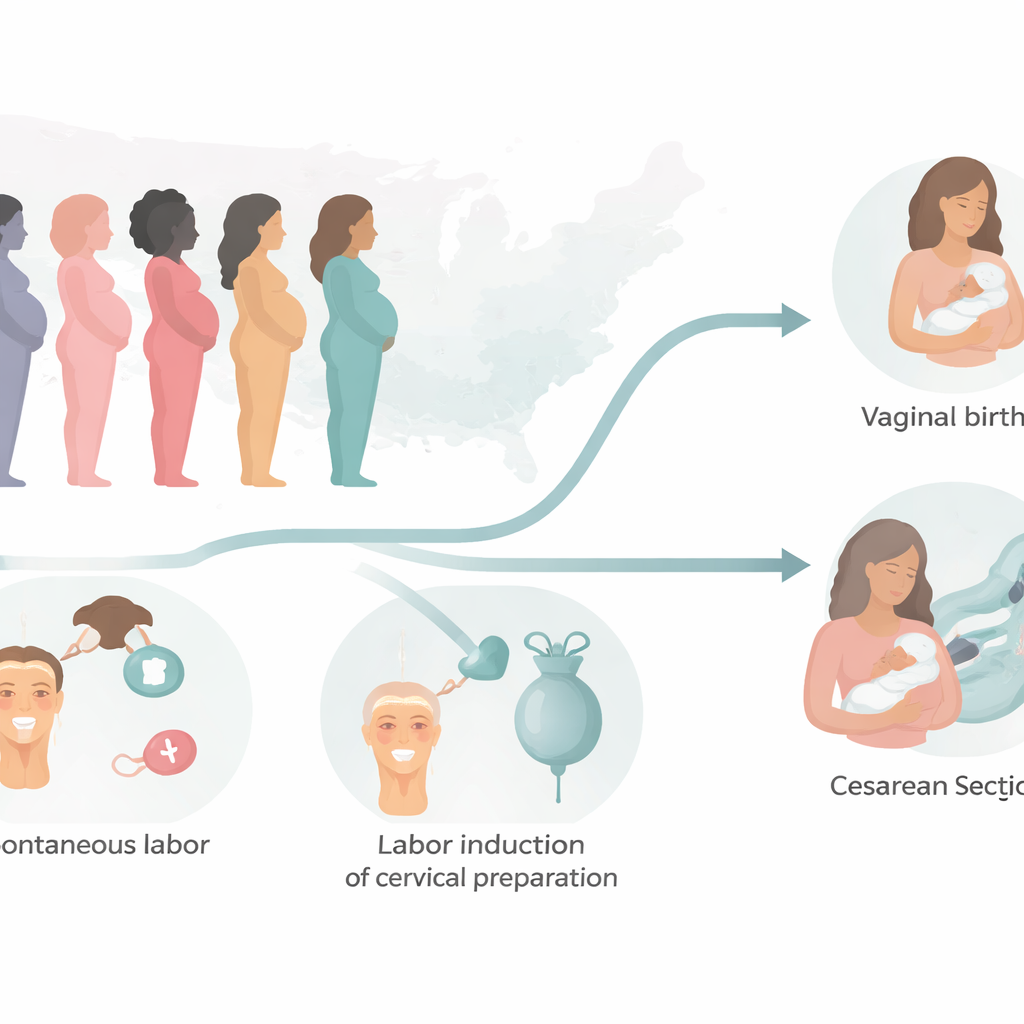
The researchers analyzed records from more than five million hospital births in the United States between 2018 and 2022. They focused only on “low-risk” pregnancies at 39 to almost 41 weeks, with single babies in head-down position, and without major medical or pregnancy problems such as high blood pressure, diabetes, twins, placenta complications, or serious infections. Within this carefully filtered group, they compared people whose labors were started with cervical preparation—using either medication to soften the cervix or devices to gently stretch it—against those who went into labor without this step. The main outcome they examined was how often births ended in cesarean section, along with a range of complications such as severe infection, heavy bleeding, uterine rupture, and life-threatening maternal illness or death.
How Induction Practices Changed Over Time
Across the five-year span, about one in eight low-risk full-term births involved labor induction that required cervical preparation. The rate did not stay steady, however. It climbed sharply from 2018 through early 2020, rising from about 9 percent to more than 14 percent just as the COVID-19 pandemic began. After that point, the trend bent downward, slipping to around 13 percent by the end of 2022. At the same time, the tools used for induction shifted. Simple cervical softening alone remained the most common method, but use of mechanical devices such as balloons, and combinations of both approaches, increased substantially. Hospitals also relied more often on using both a controlled breaking of the bag of waters and a labor-stimulating drug together, and less often on breaking the waters alone.
What the Study Found About Risks
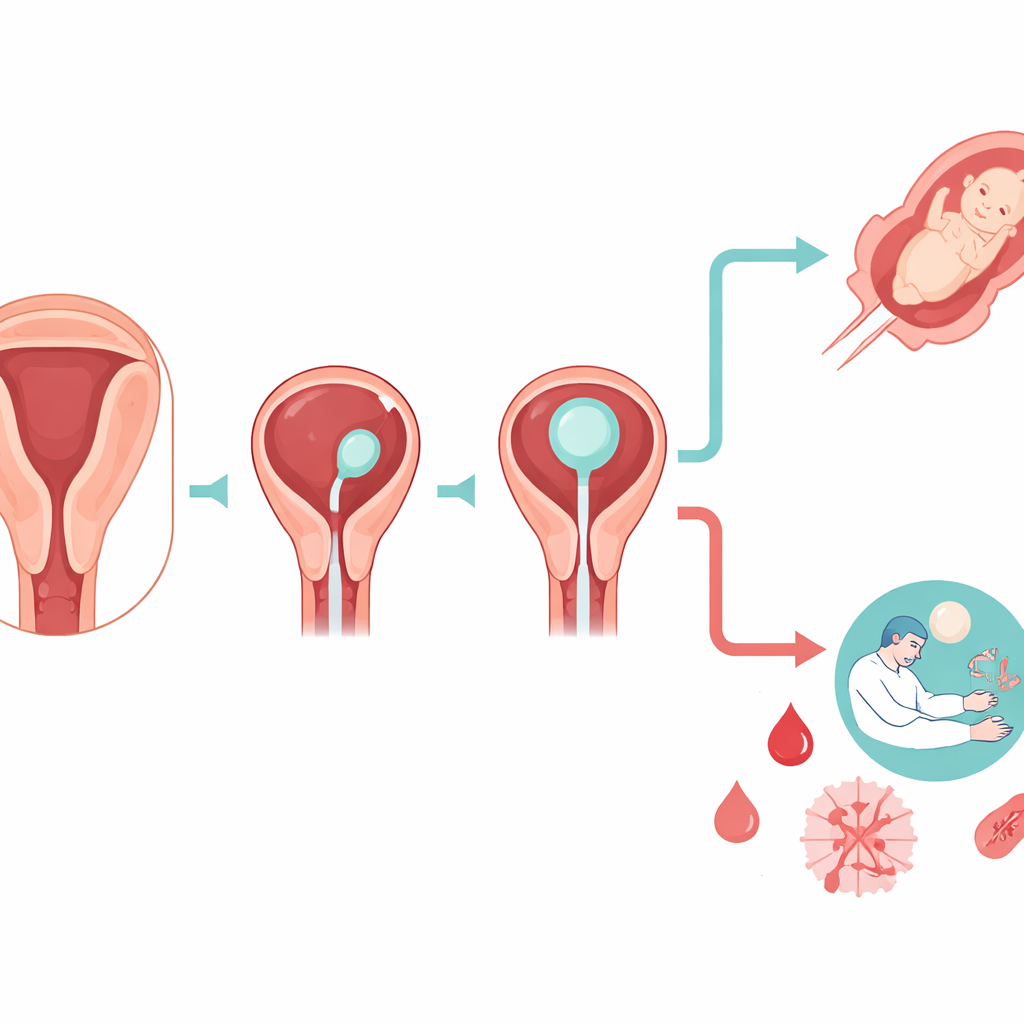
When the team compared births with and without cervical preparation, even after accounting for factors like age, region, insurance type, and obesity, induction was consistently linked to higher rates of cesarean section and several serious complications. Among those induced, about 17 percent delivered by cesarean, compared with about 9 percent in those who were not induced. Induction was also associated with higher chances of uterine infection, umbilical cord problems, uterine rupture during labor (still rare, but more frequent), severe perineal tears, heavy bleeding requiring treatment, longer hospital stays, and a composite measure of severe maternal illness. Maternal deaths during the delivery stay were extremely uncommon in both groups but were several times more frequent among those who had induction with cervical preparation, although the absolute numbers were very small.
Differences Across Regions and Among Patients
The study found that how often induction was used—and how it was carried out—varied widely across different parts of the country. Some regions induced more than 15 percent of low-risk full-term pregnancies, while others induced fewer than 10 percent. Use of mechanical devices to open the cervix also ranged from relatively rare to quite common depending on the region. Certain groups, such as people age 40 and older and those with obesity, were more likely to have their labors induced and more likely to end up with cesarean birth. The authors point out that these patterns likely reflect a mix of medical concerns, local practice habits, and patient preferences, but they also raise questions about equity and consistency in maternity care.
What This Means for Birth Decisions
This large national analysis does not prove that induction directly causes cesarean birth or severe complications, and it could not capture important details such as the exact reasons for induction, how dilated the cervix was at the start, or whether this was a first baby. Still, using the best available nationwide data, the study suggests that in low-risk full-term pregnancies, choosing an induction that requires active cervical preparation is currently associated with a higher chance of cesarean and serious maternal problems than allowing labor to begin on its own. The authors conclude that, especially in the wake of COVID-19 and changing induction practices, more careful, prospective research is needed—and that patients and clinicians should weigh the potential benefits of timely delivery against these observed risks when making individualized birth plans.
Citation: Rocha, C.N., Youssefzadeh, A.C., Keymeulen, S. et al. Nationwide assessment of labor induction at full-term for low-risk pregnancy in the United States from 2018 to 2022. Sci Rep 16, 12689 (2026). https://doi.org/10.1038/s41598-026-42904-2
Keywords: labor induction, cesarean delivery, full-term pregnancy, maternal outcomes, COVID-19 pandemic