Clear Sky Science · en
Factors influencing women’s literacy status in rural Ethiopia using 2019 mini EDHS data
Why this story matters
Being able to read and write is something many people take for granted, yet for millions of women around the world it remains out of reach. In rural Ethiopia, more than two out of every three women of child‑bearing age cannot read a simple sentence. This study digs into why that is, using a large national survey to uncover how family circumstances, money, marriage, and childbirth shape a woman’s chances of becoming literate—and what could be done to change that.
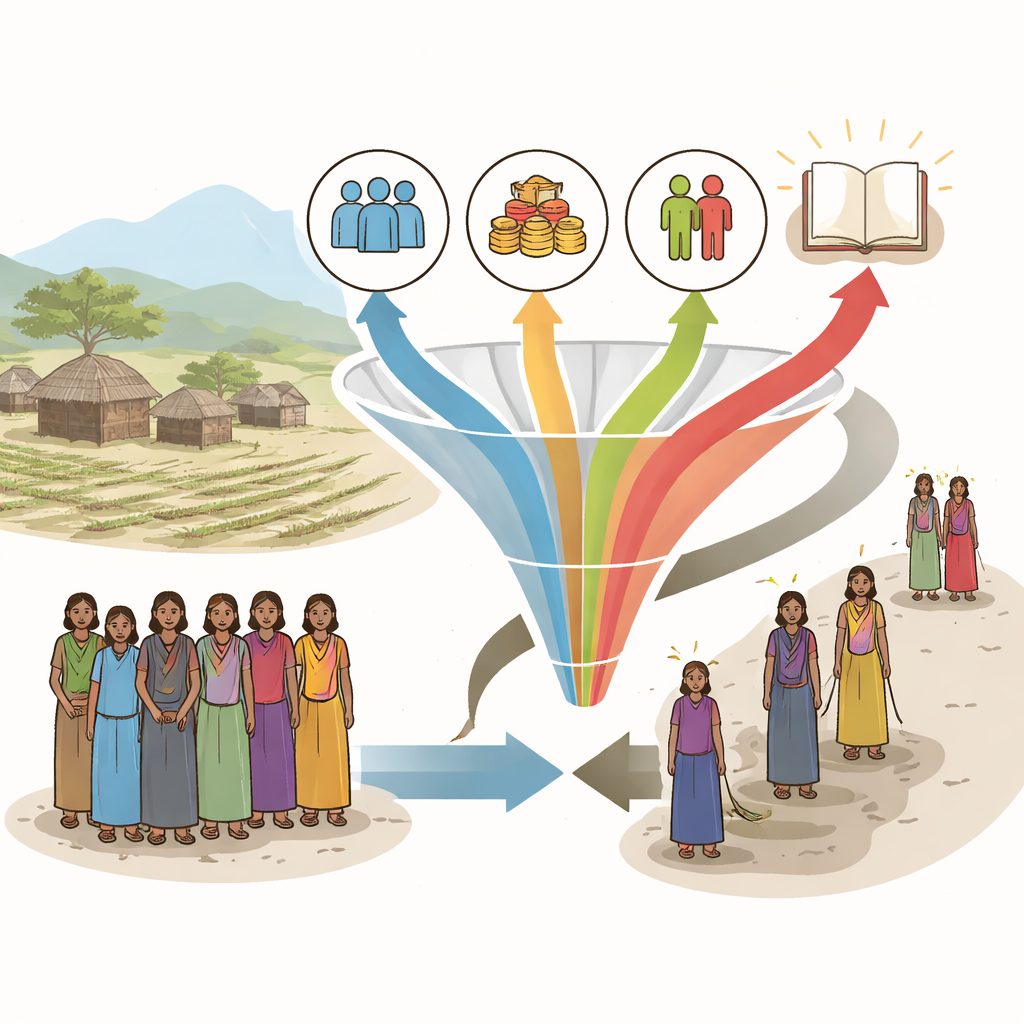
Looking closely at women’s lives
The researchers analyzed data from over 5,900 women aged 15 to 49 living in rural parts of Ethiopia, drawn from the 2019 Mini Ethiopia Demographic and Health Survey. This survey, carried out across ten regions, records information on households, education, health, and family life. Instead of treating every woman as an isolated case, the team used a statistical approach that recognizes that women living in the same region share similar conditions, such as schools, local culture, and economic opportunities. This allowed them to separate what is due to individual circumstances from what is due to regional differences.
How common is not being able to read?
The picture that emerges is stark: about 67 percent of rural Ethiopian women in this age group were found to be illiterate. Yet this burden is not evenly shared. Some regions, such as the Southern Nations, Nationalities, and Peoples’ Region and Oromia, had especially high shares of women who could not read. Regions like Harari, Dire Dawa, and Tigray had relatively lower shares, though illiteracy was still widespread. These contrasts hint at the role of local school availability, long‑standing cultural expectations, and uneven economic development in shaping women’s access to learning.
Families, money, and marriage
Within households, several patterns stood out. Women living in larger families and those with more children were more likely to be illiterate. Every extra household member and each additional child nudged the odds of illiteracy higher, suggesting that crowded homes, tight budgets, and heavy domestic workloads leave little space for school or adult learning. Wealth also mattered a great deal: compared with women in the richest homes, those in the poorest households were around fourteen times more likely to be illiterate, with risk rising steadily as household resources declined. Marital history played a role too. Married, widowed, and divorced women were all more likely to be unable to read than women who had never married, pointing to the way early marriage, childcare, and gender roles can push schooling aside.
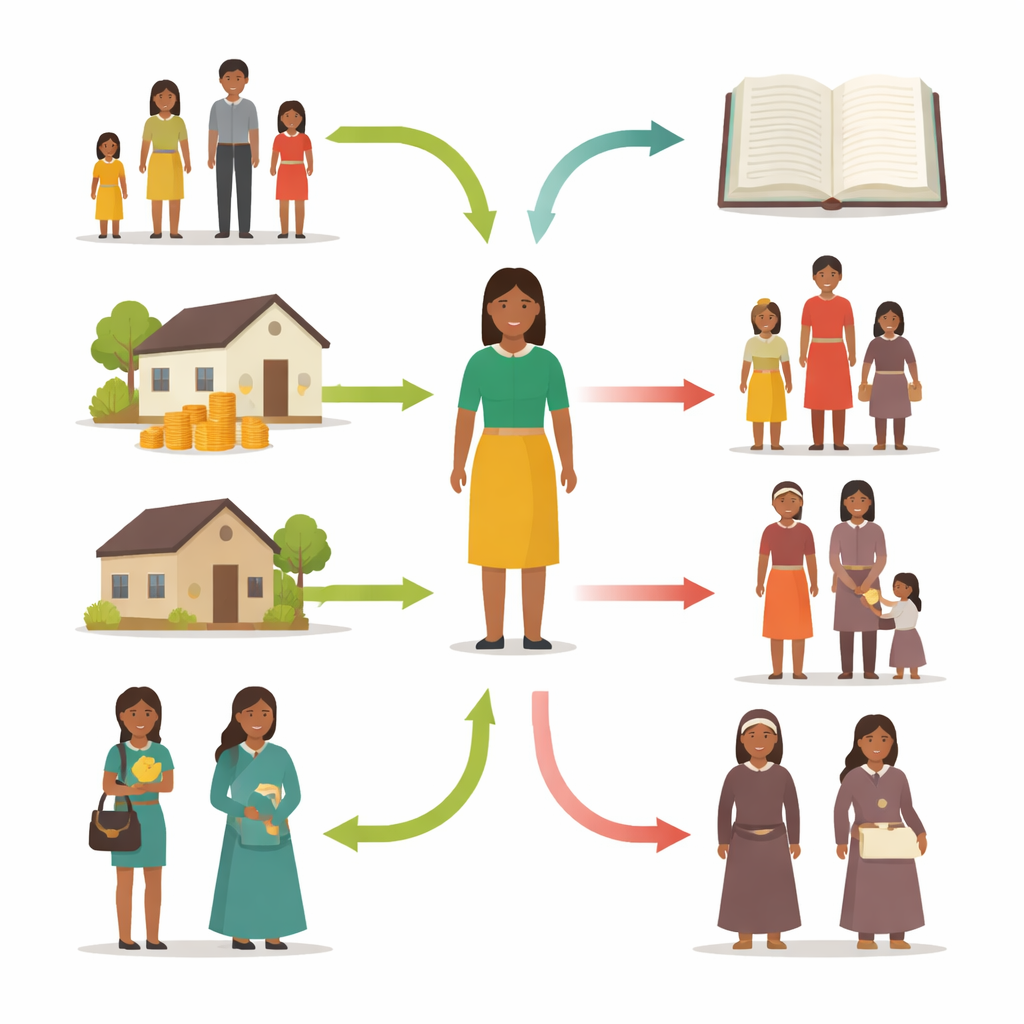
Age, childbirth, and household role
The timing of major life events strongly shaped women’s chances of learning to read. Women who had their first child later were less likely to be illiterate; even a one‑year delay in first birth slightly lowered the risk. Younger women—in their late teens and twenties—were much more likely to be literate than women in their late forties, reflecting recent efforts to expand schooling and perhaps changing attitudes toward girls’ education. A woman’s position within the household also mattered. Wives of household heads were more likely to be illiterate than women who were heads themselves, while daughters of the household head were much less likely to be illiterate. This suggests that while younger generations of girls are benefitting from expanded schooling, older women who built their lives around marriage and domestic work often missed out.
What this means for the future
To a lay observer, the study’s conclusion is clear: women’s literacy in rural Ethiopia is not simply about building more classrooms. It is tightly woven into family size, poverty, early marriage and childbirth, and the traditional roles women occupy in the home. Because these factors act together, the authors argue for targeted programs that support girls and young women to stay in school longer, provide family planning and income support to large and poor households, and offer flexible learning opportunities for married, widowed, and divorced women. If such efforts succeed, they could break a cycle in which poverty, early childbearing, and limited schooling reinforce one another, opening the door for more rural Ethiopian women—and their children—to share fully in social and economic life.
Citation: Hantal, H.S., Abite, G.M., Dessalegn, B. et al. Factors influencing women’s literacy status in rural Ethiopia using 2019 mini EDHS data. Sci Rep 16, 12805 (2026). https://doi.org/10.1038/s41598-026-41342-4
Keywords: women’s literacy, rural Ethiopia, girls’ education, gender inequality, household poverty