Clear Sky Science · en
High-flow nasal-cannula oxygen therapy in intensive-care-unit patients: a prospective multicenter observational cohort study (OHE-REA)
Why oxygen support choices in intensive care matter
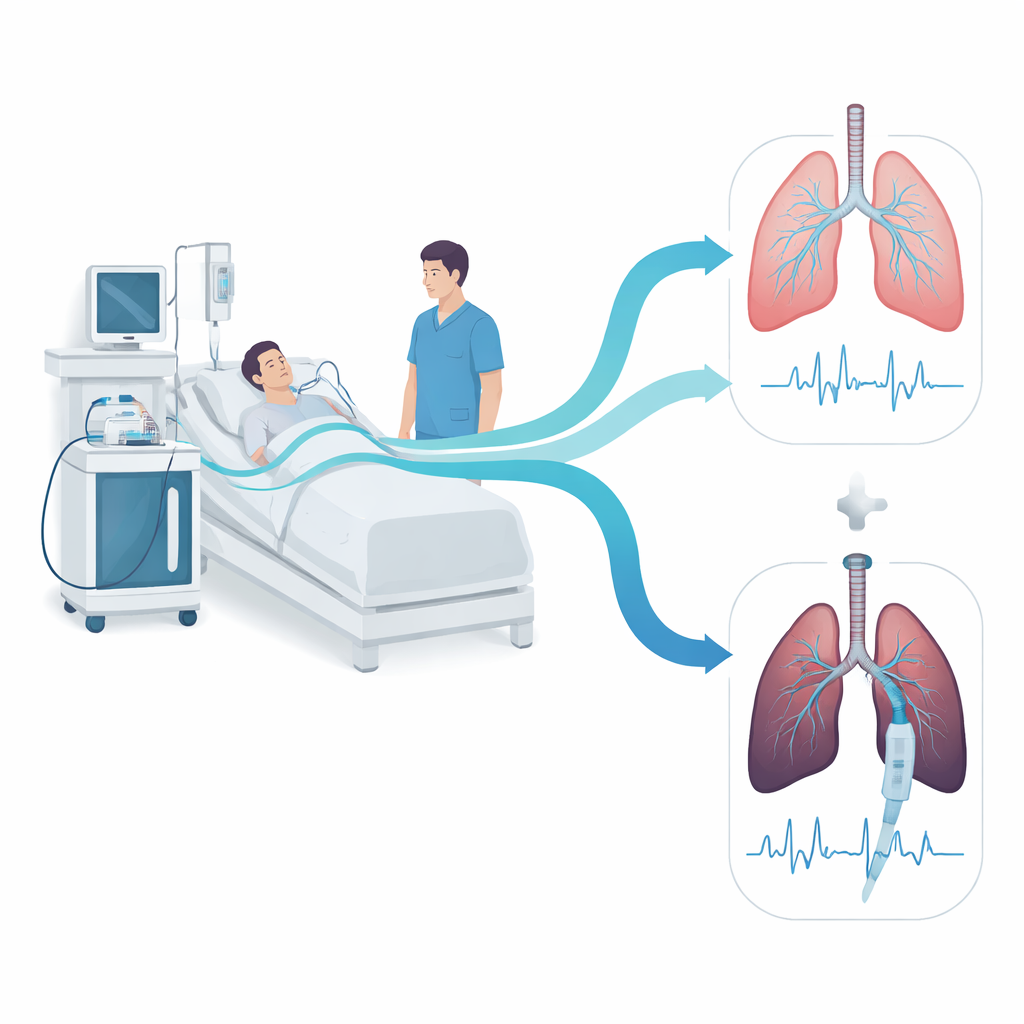
When someone lands in an intensive care unit because they cannot breathe properly, doctors must quickly choose how best to deliver oxygen. One increasingly popular option is high-flow nasal oxygen, a steady stream of warm, moist air delivered through soft tubes in the nose instead of a tight mask or a breathing tube in the windpipe. This study asked a practical question with real consequences for patients and families: in everyday hospital practice, when does this gentler form of support work well, and when is it likely to fall short so that stronger measures, like a breathing machine, are needed?
A closer look at a gentler way to give oxygen
High-flow nasal oxygen therapy uses a nasal cannula to blow large volumes of oxygen-rich, warmed, and humidified air—up to 70 liters per minute—into the nose. This setup can ease the work of breathing, slightly prop open the airways, and improve comfort compared with tight-fitting masks. Earlier clinical trials hinted that this method might lower the need for putting a breathing tube down the windpipe in some patients with severe lung problems, and it was widely adopted during the COVID-19 pandemic. But most of those trials enrolled very carefully selected patients and were not designed to reflect the messy reality of a busy intensive care unit.
How the study followed real-life patients
To capture what happens in routine care, researchers in France conducted a prospective observational study in 13 intensive care units between late 2019 and late 2020, a period overlapping with the first waves of COVID-19. They enrolled 247 adults who had low blood oxygen levels from acute respiratory failure and were started on high-flow nasal oxygen as part of their normal care. On average, patients were about 62 years old, mostly male, and had relatively few long-term illnesses. Pneumonia, often infectious and likely including many COVID-19 cases, was the main reason their lungs failed. The team carefully recorded vital signs, blood tests, oxygen settings, and how long patients stayed on high-flow therapy each day.
When the gentler approach was not enough
The main outcome was whether high-flow therapy “failed,” meaning the patient had to be switched to more intensive support: intubation with a breathing machine, noninvasive ventilation through a tight mask, or standard oxygen at very high strength, or if they died while still on high-flow. Overall, high-flow therapy failed in about one out of three patients (32%), and 17% ultimately needed intubation. On average, patients received high-flow nasal oxygen for just over two days. These figures were similar to those reported in earlier randomized trials, suggesting that the treatment performs in real life much as it does in more controlled research settings. Most patients who were taken off high-flow because they seemed better were successfully moved to lighter oxygen support.
Warning signs that stronger help may be needed
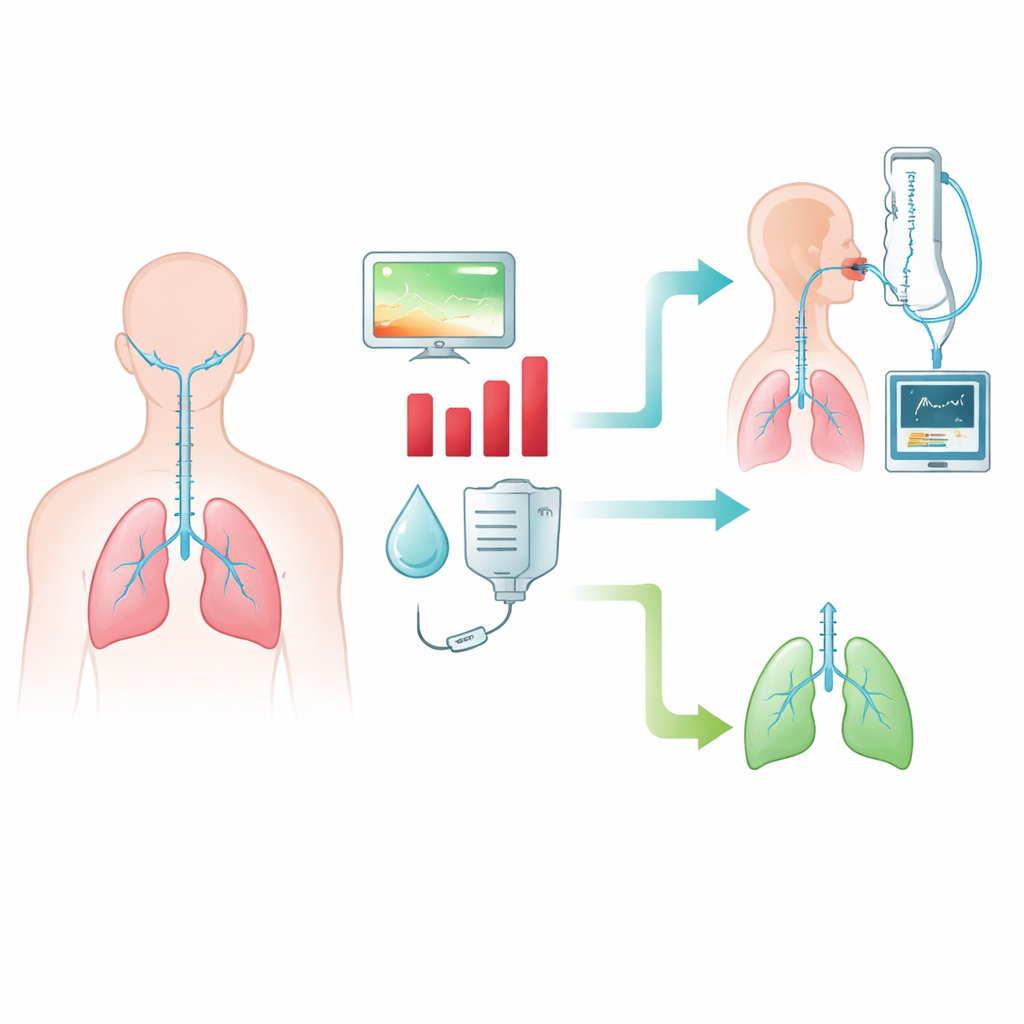
The researchers searched for simple bedside clues that might warn clinicians when high-flow oxygen is unlikely to suffice. One key measure was the ROX index, which blends how well the blood is oxygenated, how much oxygen is being delivered, and how fast the patient is breathing. A lower ROX score over time signaled a higher chance that high-flow therapy would fail. Other red flags were rising blood pressure, the need for drugs to boost blood pressure, and a drop in alertness as measured by a standard coma scale. Interestingly, having a chronic lung disease or a weakened immune system did not, by itself, clearly increase the chance of failure in this group. Side effects were relatively uncommon; a few patients stopped therapy because of discomfort, nosebleeds, or other local problems.
What this means for patients and care teams
For patients and families, the study’s takeaway is that high-flow nasal oxygen is often effective and usually comfortable, but it is not a guaranteed alternative to a breathing tube. For doctors and nurses, the work highlights a cluster of easily monitored signs—especially a falling ROX index, rising blood pressure, need for blood-pressure medicines, and worsening consciousness—that should prompt closer watching and timely decisions about whether to move to invasive ventilation. Recognizing these warning patterns early could help avoid dangerous delays in intubation while still allowing many patients to benefit from a less intrusive form of breathing support.
Citation: Compagne, P., Ehrmann, S., Jonas, M. et al. High-flow nasal-cannula oxygen therapy in intensive-care-unit patients: a prospective multicenter observational cohort study (OHE-REA). Sci Rep 16, 10379 (2026). https://doi.org/10.1038/s41598-026-39969-4
Keywords: high-flow nasal cannula, acute respiratory failure, intensive care, oxygen therapy, intubation risk