Clear Sky Science · en
Retention in care and viral suppression in people living with HIV and chronic hepatitis B in Maputo City, Mozambique: a prospective cohort study
Why this matters for everyday health
In many parts of the world, people living with HIV are now living longer thanks to powerful medicines. But in countries like Mozambique, many of these same people also carry another silent infection: hepatitis B, a virus that slowly damages the liver. This study asks a simple but vital question: when someone has both HIV and hepatitis B, are they just as likely to stay in care, survive, and keep their HIV under control as someone with HIV alone?

The setting: a busy clinic in Maputo
The research took place at a large public health center in Maputo City, Mozambique, a country with one of the highest HIV burdens in the world. Newly diagnosed adults with HIV who had not yet started treatment were invited to join the study between 2021 and 2022. Everyone began standard HIV medicines, which also contain a drug active against hepatitis B. At the start, they were tested for hepatitis B, and then followed for a year with regular clinic visits and blood tests to see how well their HIV was controlled.
Who was in the study
A total of 1,106 adults joined the study. Most were in their early to mid‑thirties, and just over half were women. About 7 out of every 100 participants also had signs of chronic hepatitis B infection. Many arrived at the clinic with weakened immune systems, and roughly one in five had very low CD4 counts, meaning their defenses against infections were already badly damaged. The researchers compared two groups over time: those with HIV alone and those with both HIV and hepatitis B.
Staying in care and avoiding loss along the way
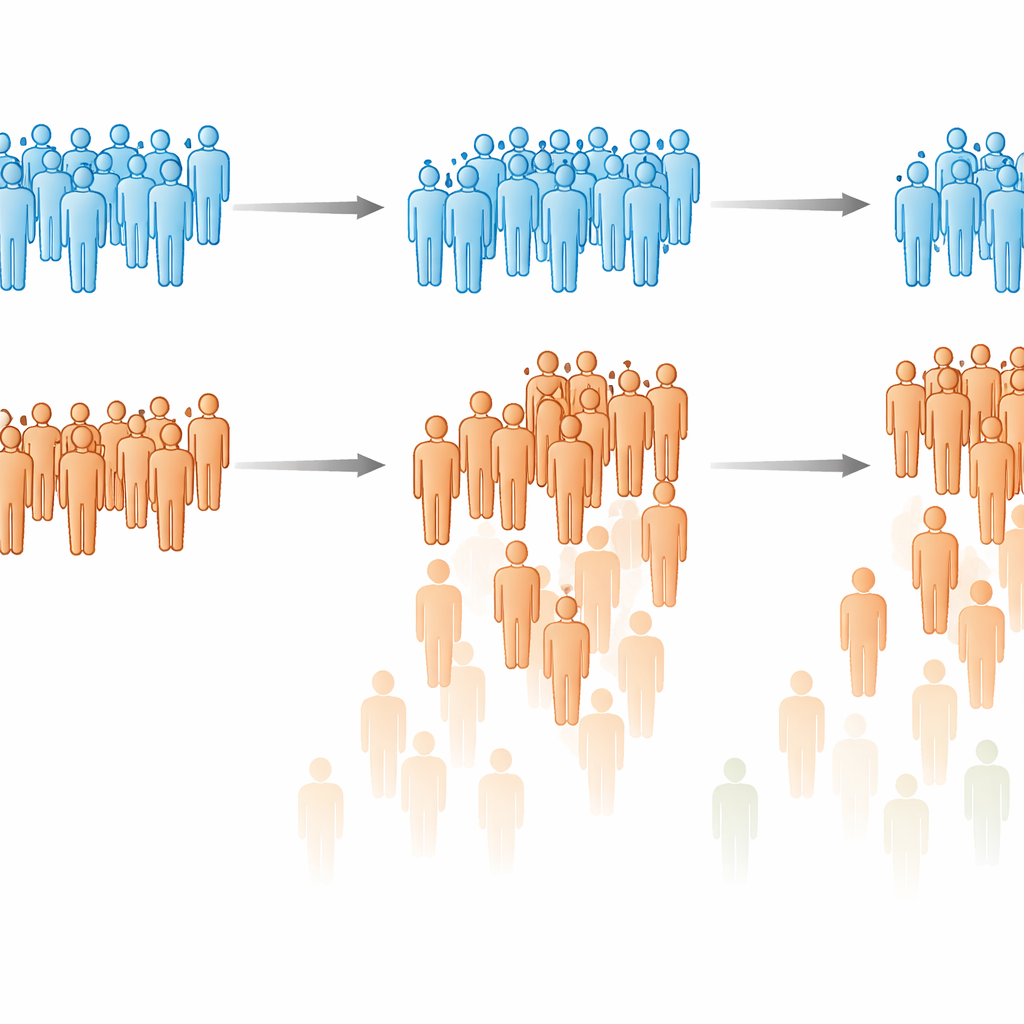
The team focused first on “retention in care” — whether people were still alive, on treatment, and coming back for refills and checkups after 6 and 12 months. Overall, around 9 out of 10 people were still in care at 6 months, dropping to a little more than 8 out of 10 by one year. But those with both infections were more likely to slip away. After a year, about three‑quarters of coinfected patients were still in care, compared with roughly 85% of those with HIV alone. People with both infections were also more likely to be classified as lost to follow‑up, especially in the first six months after starting treatment, when health is most fragile.
Deaths and virus control
Deaths were sadly most common in the first half‑year after treatment began, especially among people who started care with extremely low CD4 counts or were very underweight. Interestingly, having hepatitis B on top of HIV did not, by itself, make death more likely within the first year once other factors were taken into account. When it came to controlling HIV, most patients in both groups achieved viral suppression — meaning the amount of virus in the blood became very low. At six months, the share of people with well‑controlled HIV was similar whether or not they had hepatitis B. By 12 months, suppression remained high overall but was somewhat lower in the coinfected group. Again, poor overall health at the start of treatment, rather than hepatitis B itself, was more strongly linked with failure to suppress the virus.
What this means for patients and programs
This study shows that even with modern HIV treatment policies, people who carry both HIV and hepatitis B are more likely to drift out of care, especially early on, and that young adults, men, and those starting treatment in poor health are at particularly high risk. However, if they do stay in care, their chances of surviving and getting their HIV under control can be nearly as good as for those with HIV alone. For health systems, the message is clear: routine testing for hepatitis B, closer follow‑up during the first months of treatment, and extra support targeted to the most vulnerable groups could prevent many silent losses and help more people benefit fully from life‑saving HIV therapy.
Citation: Chambal, L.M., Nilsson, C., Augusto, O. et al. Retention in care and viral suppression in people living with HIV and chronic hepatitis B in Maputo City, Mozambique: a prospective cohort study. Sci Rep 16, 11840 (2026). https://doi.org/10.1038/s41598-026-37882-4
Keywords: HIV care, hepatitis B coinfection, Mozambique, treatment retention, viral suppression