Clear Sky Science · en
Adenosine from high-fat-diet-tolerant monkey-derived Limsolactobacillus reuteri MacFasB02 modulates cholesterol metabolism to alleviate hyperlipidemia and inflammation
Why a Gut Microbe Could Matter for Your Cholesterol
Many people struggle with high cholesterol and chronic low-grade inflammation, which raise the risk of heart disease and other illnesses. Common drugs like statins can be effective but sometimes come with muscle pain, liver problems, or high costs. This study explores a very different approach: using a naturally occurring gut bacterium, isolated from monkeys that thrive on a long-term high-fat diet, to gently rebalance fat metabolism and inflammation from the inside out.
A Helpful Bacterium from Fat-Tolerant Monkeys
The researchers began with cynomolgus monkeys that remained surprisingly healthy despite eating a rich, fatty diet for a year. From their feces, they isolated a new strain of the probiotic species Limosilactobacillus reuteri, named MacFasB02. In lab tests, this strain grew well, produced acid, and survived harsh conditions similar to those in the human stomach and small intestine, including strong acid and bile salts. These traits suggest it can live and function in the digestive tract, a key requirement for any probiotic that aims to influence health.
A Protective Effect in Mice on a Fatty Diet
To see whether MacFasB02 could actually improve health, the team fed mice a high-fat diet until they developed high blood lipids and gained excess weight. After clearing their original gut microbes with antibiotics, some of the mice received MacFasB02 by mouth for 13 weeks, while others received a harmless salt solution. Mice given the probiotic gained less weight and had lower levels of total cholesterol, bad cholesterol, and triglycerides, while their good cholesterol rose. Microscopic examination showed less fat buildup and inflammation in their livers. In the intestines, MacFasB02 helped rebuild long, healthy finger-like villi, increased mucus-producing goblet cells, and strengthened tight junctions—structures that keep the gut barrier sealed. Together, these changes suggested that the bacterium simultaneously improved fat balance and calmed inflammation.
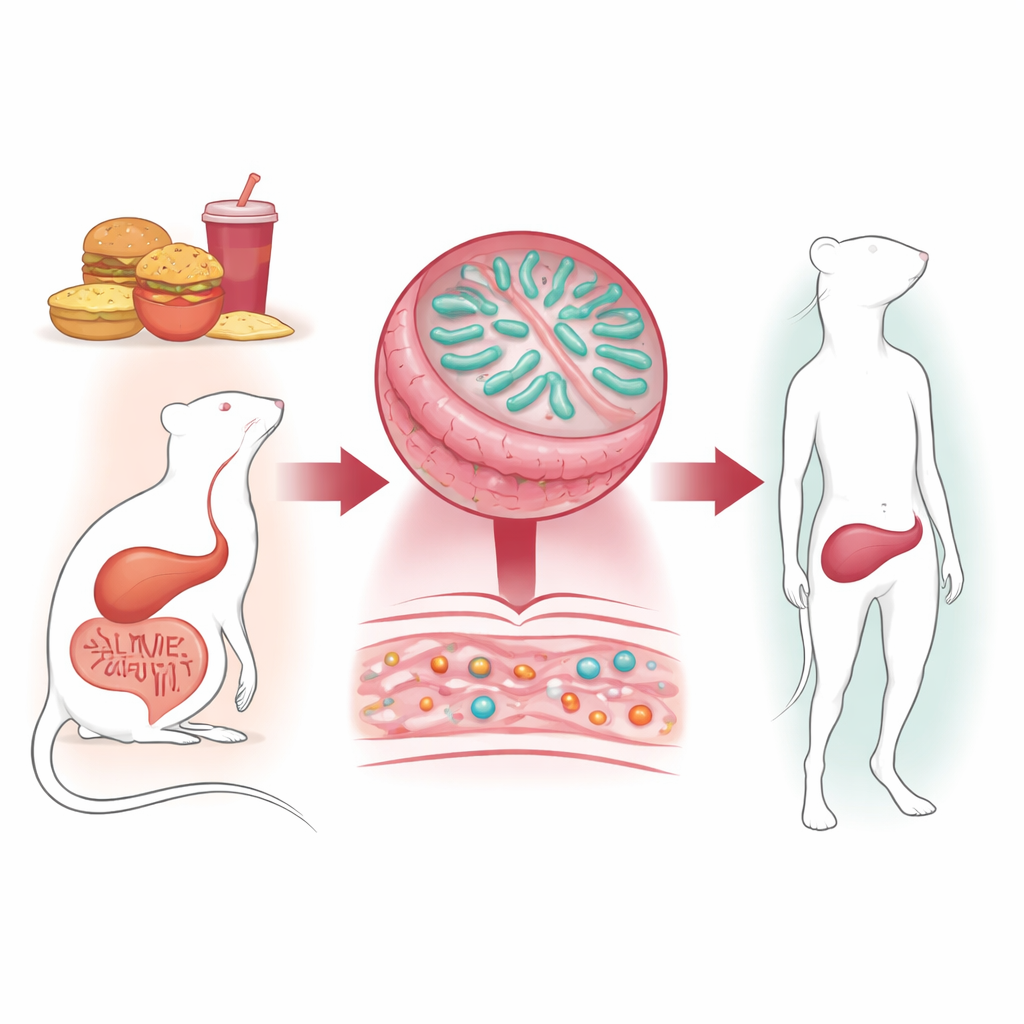
Remodeling the Gut Community and Its Chemical Output
Because gut bacteria act as an ecosystem, the scientists examined how MacFasB02 changed the broader microbial community. They found that overall diversity, which had dropped on the high-fat diet, partially rebounded. The ratio of two major bacterial groups shifted toward a pattern associated with metabolic health, and beneficial species that produce short-chain fatty acids became more abundant. The team then analyzed the small molecules present in the mice’s gut contents. Among hundreds of diet- and microbiome-related compounds that changed, one stood out: adenosine, a signaling molecule linked to energy and nucleotide metabolism. Adenosine levels fell in high-fat-diet mice but were restored when MacFasB02 was present, pointing to it as a likely mediator of the strain’s benefits.
Adenosine Links the Gut to Liver Cholesterol Control
To understand how this gut-derived molecule might influence the body, the researchers studied liver gene activity. They found that MacFasB02 shifted the expression of more than one hundred genes in a pattern that centered on cholesterol metabolism. In particular, genes that help form protective high-density lipoprotein (HDL) particles were turned up, while a key enzyme that drives cholesterol production was turned down. These gene changes closely tracked with adenosine levels in the gut. Genome analysis of MacFasB02 showed it carries the machinery to make adenosine, and independent chemical profiling of its culture medium confirmed that it releases this compound. When liver cells in a dish were exposed directly to adenosine, they accumulated less fat, secreted fewer inflammatory signals, and showed the same shifts in cholesterol-related genes seen in the treated mice, strengthening the case that adenosine is the crucial go-between.
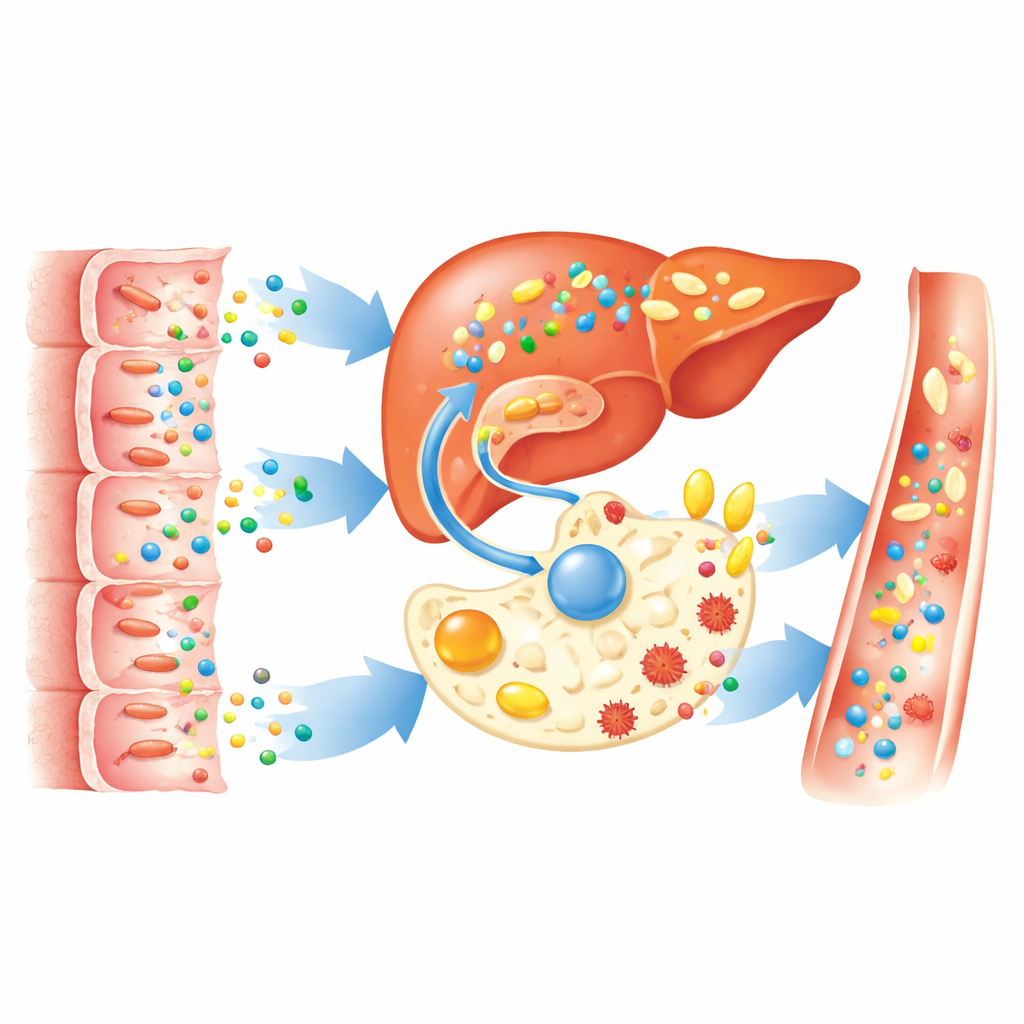
What This Could Mean for Future Cholesterol Care
In simple terms, this study suggests that a single probiotic strain, MacFasB02, can both lower harmful blood fats and ease inflammation in animals fed a high-fat diet. It appears to work by producing adenosine in the gut, remodeling the microbial community, and sending signals along the gut–liver axis that nudge cholesterol metabolism toward a healthier state. While much work remains before this approach could be tested or used in humans, the findings hint at a future in which carefully selected gut microbes, rather than only pills, help control high cholesterol and protect against diet-related disease.
Citation: Jin, Y., An, HJ., Zheng, TT. et al. Adenosine from high-fat-diet-tolerant monkey-derived Limsolactobacillus reuteri MacFasB02 modulates cholesterol metabolism to alleviate hyperlipidemia and inflammation. npj Sci Food 10, 113 (2026). https://doi.org/10.1038/s41538-026-00765-z
Keywords: probiotics, gut microbiome, cholesterol, hyperlipidemia, inflammation