Clear Sky Science · en
Estimating firms' emissions from asset level data helps revealing (mis)alignment to net zero targets
Why this matters for climate and money
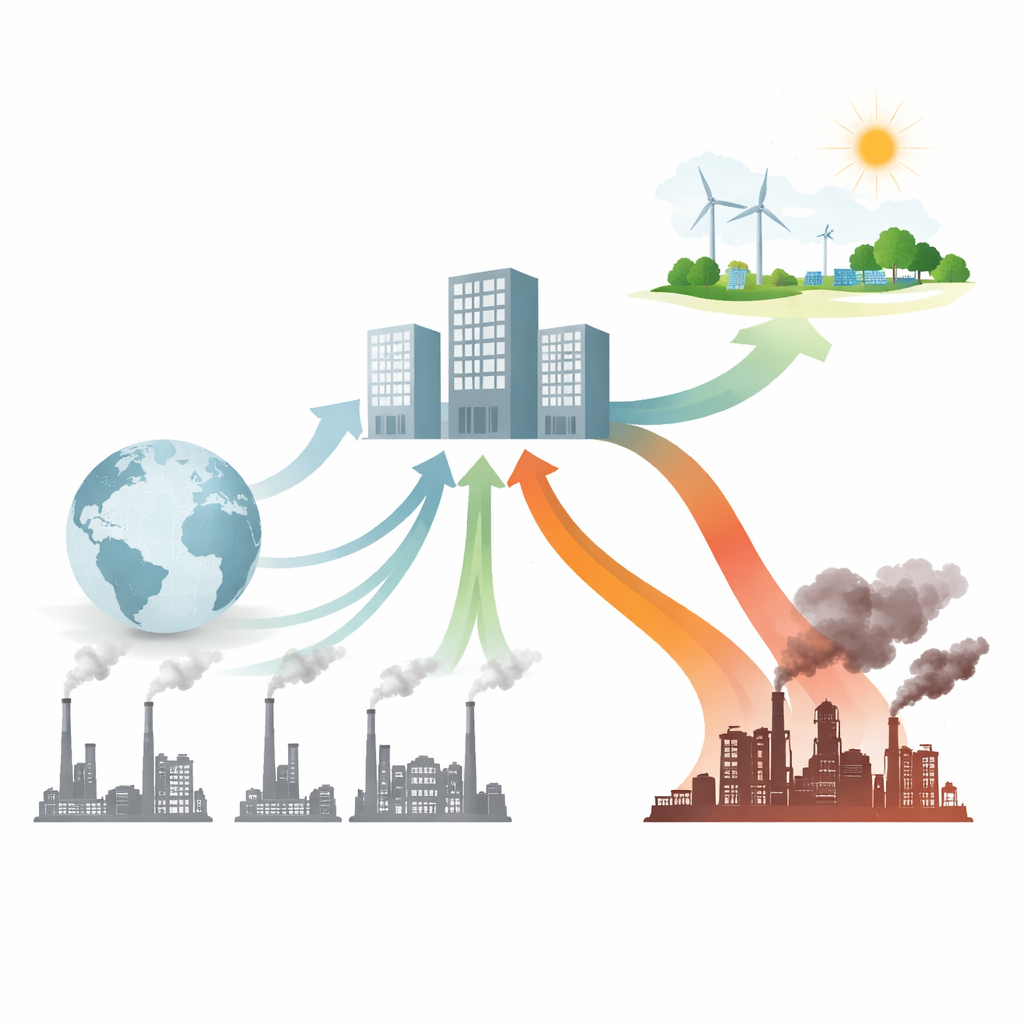
Steel is everywhere: in buildings, cars, railways, and wind turbines. But making steel is also one of the dirtiest industrial activities on the planet. As governments and investors push for "net‑zero" climate goals, they need to know whether major steel companies are truly on track to cut their greenhouse gas emissions — or just saying they are. This study presents a new way to check those claims using detailed information about individual steel plants, and shows that, globally, the steel industry is still headed for higher emissions than climate plans allow.
Looking under the hood of steel companies
Most current assessments of companies’ climate progress simply extend their past emissions trends into the future, based largely on what the companies report themselves. That approach has serious flaws: data are short, volatile, and may be biased, and it ignores how fast companies are actually changing their technology on the ground. The authors propose a different, "bottom‑up" method. Instead of starting with company‑level totals, they start from each individual steel plant worldwide — over 950 plants owned by more than 600 firms — and record its capacity, technology (such as traditional blast furnaces or electric arc furnaces), and planned opening or closing dates.
Building future emissions from real assets
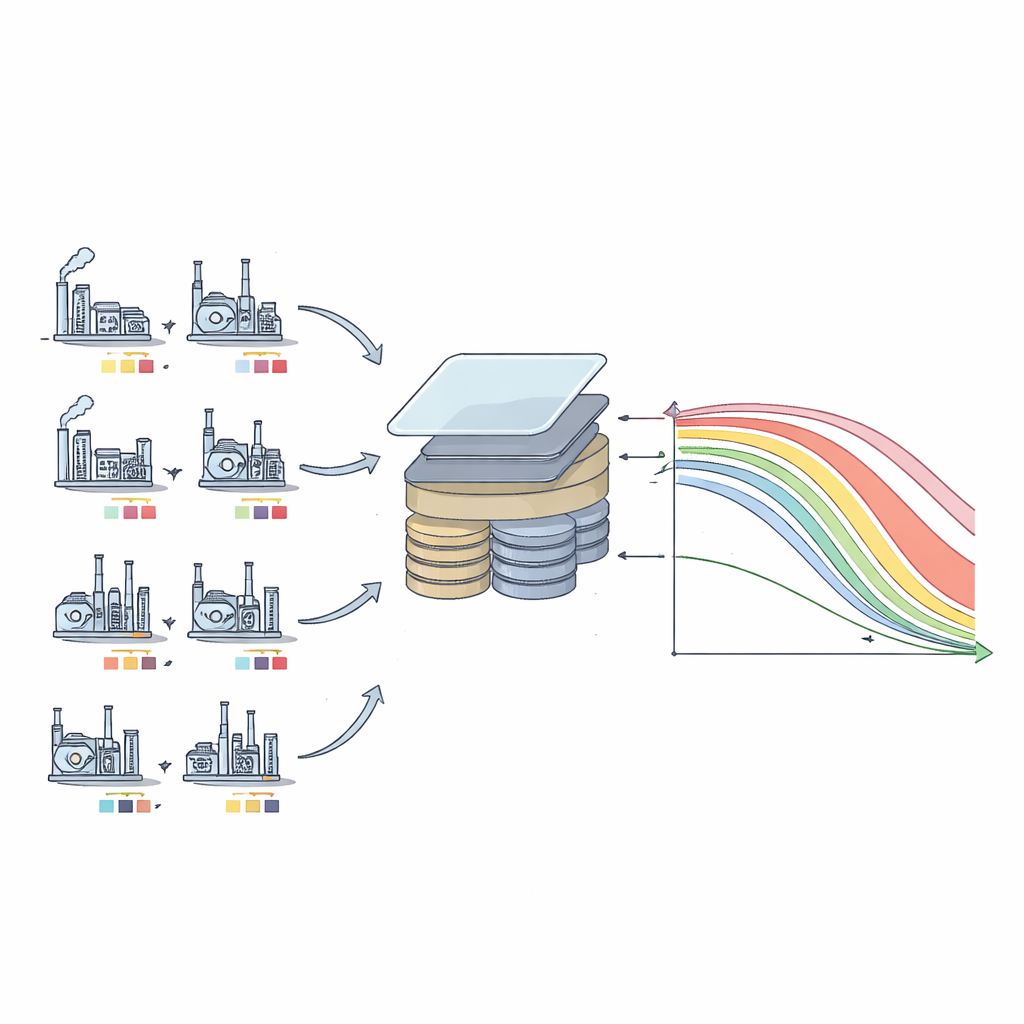
Using this asset‑level picture, the researchers estimate how much each plant will produce in future years, drawing on global climate and energy scenarios from the International Energy Agency. They then assign an emissions rate to each technology, taking into account how dirty the electricity supply is and how much improvement is expected from better equipment and energy efficiency. Summing across all plants yields a "raw" projection of each company’s future emissions. To make these estimates realistic, the team compares them with the limited set of companies that already report detailed emissions, and fits a statistical model that adjusts for additional sources of pollution not captured directly at the plant level, such as other electricity uses.
Checking alignment with climate pathways
The method is first used to ask whether the global steel sector is aligned with the International Energy Agency’s Net Zero 2050 pathway. Even under optimistic assumptions — rapid cleaning of the power sector and full deployment of the best available blast furnace technologies — projected emissions from the world’s steel plants in 2030 are about 10% higher than the net‑zero pathway allows. Under less favorable assumptions about technology upgrades and power‑sector decarbonization, the overshoot rises to roughly 22%. In other words, even if demand for steel follows the net‑zero scenario, the actual equipment in place and under construction is not yet capable of delivering the required cuts.
Comparing promises with likely performance
The authors then focus on 36 steel companies, representing about a quarter of global capacity, that have publicly announced emissions‑reduction targets for 2030. They translate each company’s target into an implied future emissions path and compare it with the path derived from the bottom‑up plant data. Across different global scenarios, the picture is consistent: even when assuming very optimistic improvements in technology and electricity supply, companies’ likely emissions remain well above their own stated goals, by 15–28% in 2030. The gap is mainly driven by the largest steel producers, whose extensive fleets of high‑emitting plants dominate the sector’s future pollution.
What this means for policy and investment
This work goes beyond naming and shaming. By tying future emissions to specific plants and technologies, it offers regulators and investors a transparent tool to check whether corporate climate plans match reality on the ground. The approach can be extended to other heavy industries, such as cement, aluminum, paper, power generation, and even car manufacturing, wherever reliable plant‑level or product‑level data exist. While uncertainties remain — for example, about how quickly new technologies will spread or how geopolitical shifts might alter energy systems — the method is most reliable over the crucial next decade. Its message is clear for non‑experts: if we want to hit global climate targets, relying on company promises and backward‑looking trends is not enough; we must look closely at the factories themselves and use that information to shape stricter disclosure rules, smarter industrial policies, and truly climate‑aligned investment choices.
Citation: Saleh, H., Battiston, S., Monasterolo, I. et al. Estimating firms' emissions from asset level data helps revealing (mis)alignment to net zero targets. Nat Commun 17, 3640 (2026). https://doi.org/10.1038/s41467-026-70481-5
Keywords: steel industry emissions, net zero alignment, asset level climate data, industrial decarbonization, climate finance