Clear Sky Science · en
Shared Genetic Liability across Systems of Psychiatric and Physical Illness
Why mind and body share more than we think
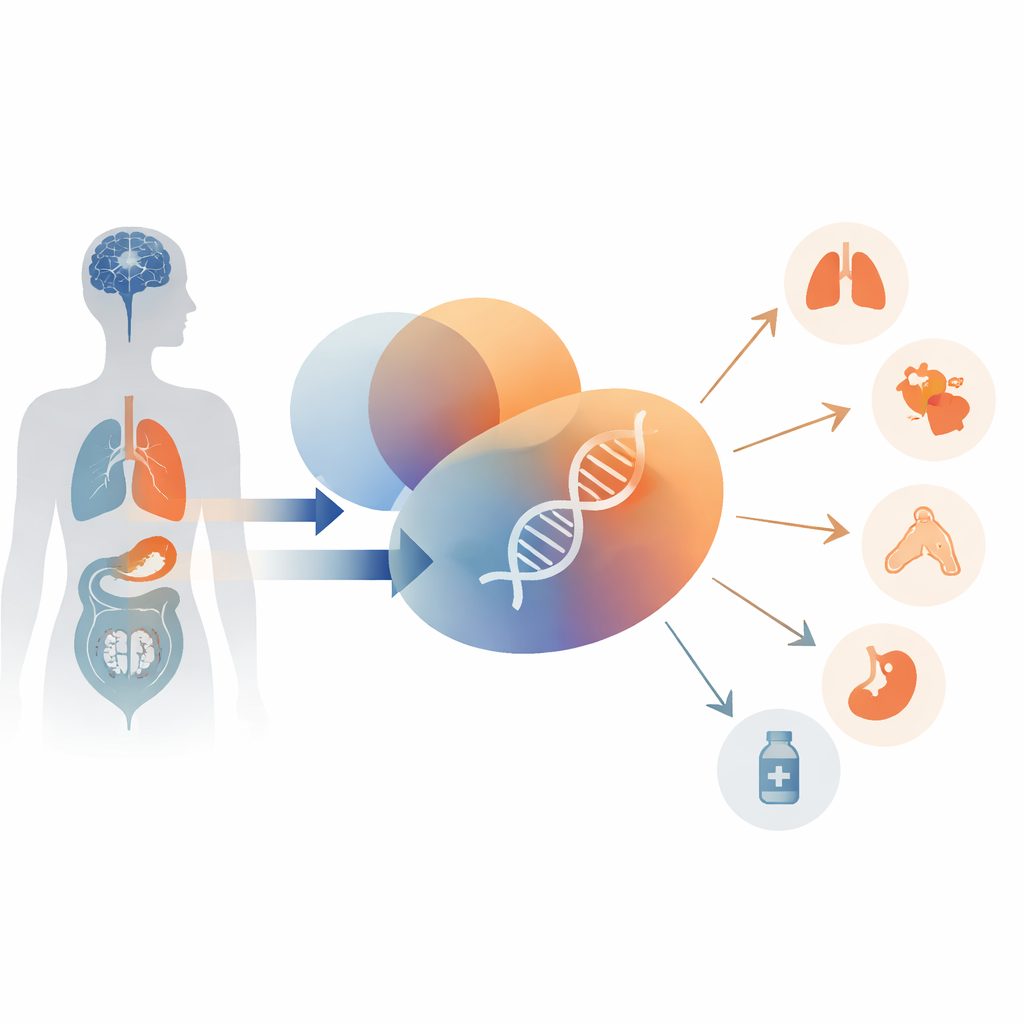
People with depression who also have diabetes, or those with attention problems who develop heart disease, often feel as if they are facing separate battles. This study asks a simple but profound question: are these problems really separate, or do they spring from shared roots in our DNA? By scanning genetic data from millions of people, the researchers show that many mental and physical illnesses are linked by common inherited risks, challenging the old idea that the brain and body belong to different worlds of medicine.
Looking across many illnesses at once
Instead of studying one disease pair at a time – say, depression and heart disease – the team combined genetic results from large studies of 73 physical disorders and 13 psychiatric conditions. These physical problems spanned eight body systems, including the heart and blood vessels, lungs, digestive tract, hormones and metabolism, nerves, joints, kidneys and bladder, and several cancers. Using advanced statistical tools, they looked for hidden patterns: clusters of illnesses that shared similar genetic signatures, even when those illnesses affected very different parts of the body.
Hidden families of physical illness
Within each body system, the researchers found groups of disorders that tended to share genetic risk. For example, in the lungs they identified one group tied to allergic conditions such as asthma and another linked to deeper airway damage like pneumonia and chronic blocked airways. In some systems a single shared factor captured most of the genetic overlap; in others, several factors were needed. These factors are not new diagnoses, but statistical “families” of diseases that appear to arise from overlapping biological pathways.
How mental and physical problems intertwine
The team then compared these physical factors with five broad groupings of psychiatric conditions: compulsive disorders, thought disorders, neurodevelopmental problems, internalizing conditions such as anxiety and depression, and substance-use disorders. They found only modest shared genetic risk between physical illness and either compulsive or psychotic/thought disorders. In contrast, neurodevelopmental, internalizing, and substance-use groupings showed strong and widespread genetic ties to nearly every system of physical illness. In particular, the genetic patterns associated with attention-deficit hyperactivity, posttraumatic stress, and major depression overlapped with physical illnesses even more than many physical diseases overlapped with each other.
A common thread running through many diseases
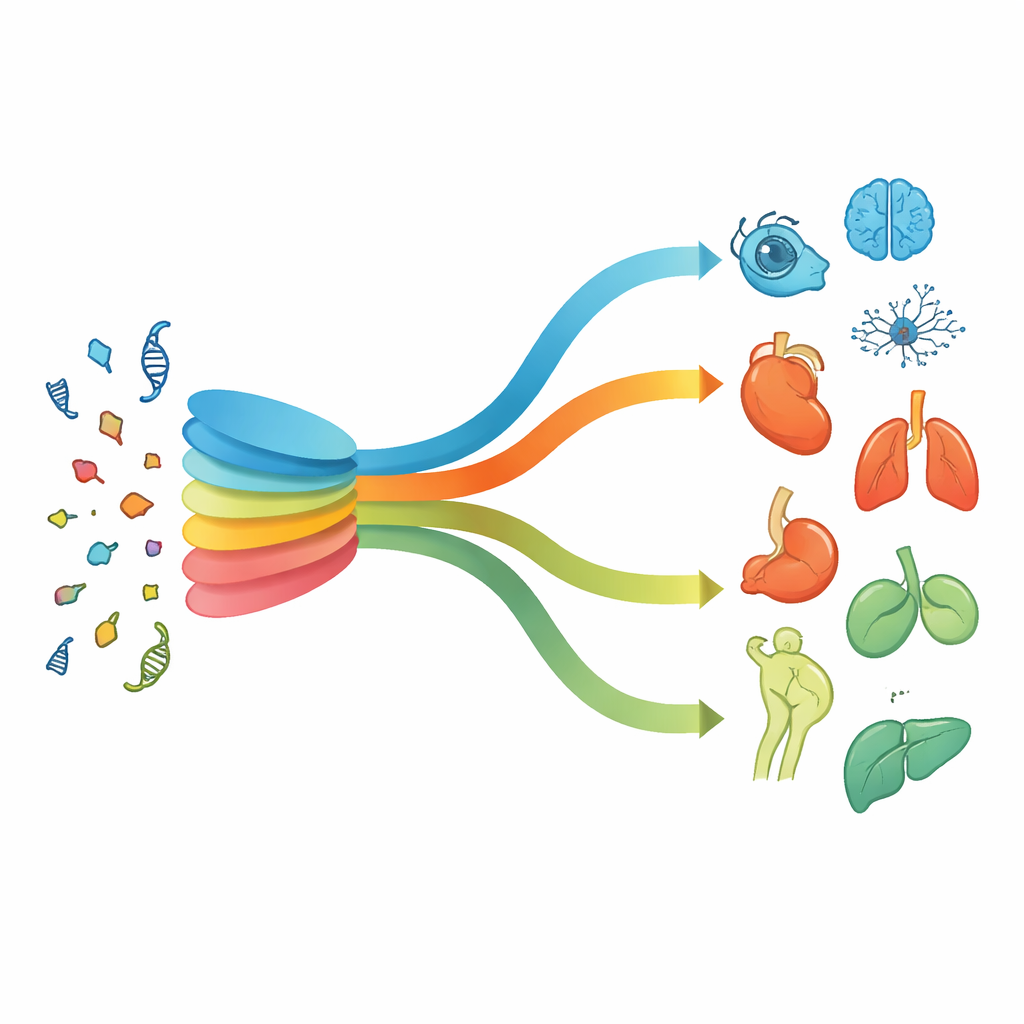
To test whether there is a broad, system-spanning form of physical vulnerability, the researchers pooled all 73 physical traits and searched for a single shared factor. They uncovered a common genetic thread linking 21 of these disorders, from heart disease and diabetes to chronic lung problems and certain digestive and musculoskeletal conditions. A genome-wide scan of this factor identified 27 stretches of DNA that contribute to this wide-ranging physical risk. When the team used these genetic signals to predict disease patterns in an external hospital biobank, the scores were associated with many physical conditions, confirming that this factor captures a real, broadly acting form of medical risk.
Rethinking the line between mental and physical illness
For a general reader, the key message is that much of the inherited risk for common mental and physical disorders is not neatly carved along organ lines. The same genetic currents that increase a person’s chances of anxiety, depression, trauma-related problems, or substance use also raise the odds of a wide range of physical illnesses. This does not mean that all these conditions are the same, or that biology is destiny, but it does suggest that prevention and treatment might be more effective if they target shared roots – such as long-standing stress pathways, behavior patterns, or metabolic processes – rather than only the individual diagnoses that eventually appear.
Citation: Lawrence, J.M., Foote, I.F., Breunig, S. et al. Shared Genetic Liability across Systems of Psychiatric and Physical Illness. Nat Commun 17, 2993 (2026). https://doi.org/10.1038/s41467-026-69218-1
Keywords: genetic overlap, mental and physical health, multimorbidity, psychiatric genetics, shared disease risk