Clear Sky Science · en
Knowledge, attitude, and practice in diagnostic dental radiology: an Egyptian survey with a global perspective
Why Dental X‑Rays Matter to Everyday Patients
Every year, billions of dental X‑rays are taken around the world to find hidden cavities, plan braces, and guide treatment. Although each exposure is small, the doses add up over a lifetime, especially for children. This study from Egypt looks at how well dentists understand and apply basic radiation safety when they order and take dental X‑rays, and compares their situation with international recommendations. The findings reveal important gaps that affect how safely patients and dental staff are protected from unnecessary radiation.
How the Study Was Carried Out
The researchers designed a detailed online questionnaire to probe four areas: who the dentists were, what they knew about radiation, how they actually worked in the clinic, and how they felt about further training. They built the questions from guidelines issued by leading organizations such as the World Health Organization, the International Atomic Energy Agency, and major dental associations. After testing and refining the questions with dental specialists, they shared the survey on professional social media and messaging groups. Over four months in 2022, 228 dentists practicing in Egypt completed the validated 47‑question survey, representing a mix of general dentists, pediatric specialists, radiologists, and others.
What Dentists Really Knew About X‑Ray Risks
The results showed that most participants struggled with core concepts of radiation safety. On average, dentists answered correctly only about a quarter of the knowledge questions, which covered how radiation works, its health effects, and how to limit exposure. Many were unfamiliar with the widely endorsed "as low as reasonably achievable" approach, which encourages using the smallest dose that still produces a useful image. Fewer than half knew that children and unborn babies are more sensitive to radiation than adults, and almost none could clearly describe different types of harmful effects or identify all the most vulnerable tissues in the head and neck, such as the salivary glands and thyroid. Dentists working in centers equipped with advanced 3D scanners called cone‑beam CT machines tended to score higher, suggesting that access to newer technology may encourage better learning.
Safety Habits Inside the Dental Office
The survey revealed that safety practices often lagged behind recommendations. Many dentists did not know whether their X‑ray rooms were shielded by special walls or if their machines were regularly checked and calibrated. Only about half of the facilities had warning signs at the door. Most dentists rarely or never used protective items such as lead aprons, thyroid covers, or goggles, and many did not monitor their own exposure with badges or periodic health checks. In everyday practice, X‑ray films or digital sensors were often held in place by the patient or even the dentist, rather than by a simple holder that can reduce repeat exposures. Uncertainty was especially marked when treating children and pregnant women: many dentists based children’s first X‑rays on age alone, chose large panoramic images as routine screening, or were unsure how to safely image pregnant patients. 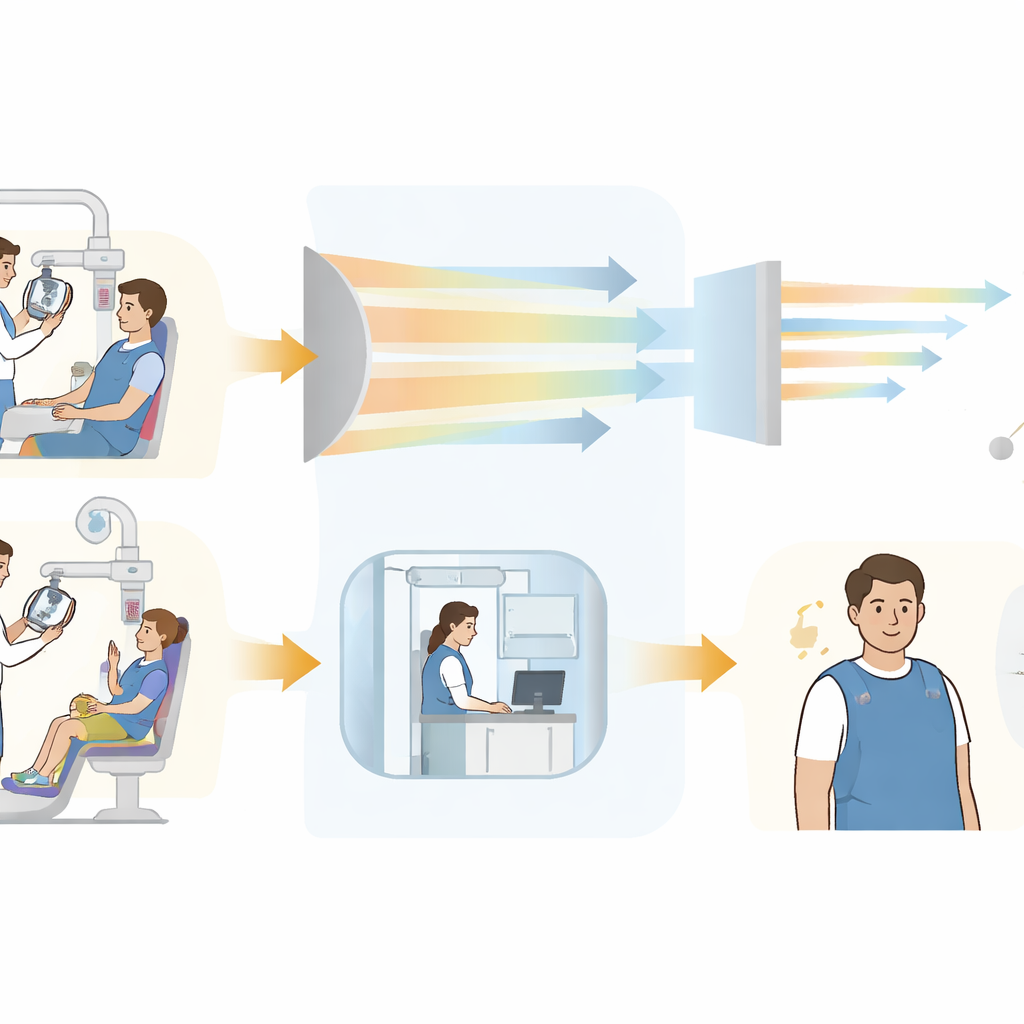
Balancing New Technology and Patient Protection
Modern tools such as digital sensors and careful use of cone‑beam CT scans can reduce or better control radiation doses, but only when used thoughtfully. The study found that Egyptian dentists used both traditional film and digital systems in roughly equal measure, and many were unclear about how much radiation different types of images deliver. Some even prescribed cone‑beam CT scans for routine checks, despite their much higher dose compared with standard dental X‑rays. International expert groups now stress tailored imaging: only taking an X‑ray when it will change how a patient is treated, choosing the smallest field of view that answers the clinical question, and using child‑sized settings for young patients. The survey suggests that these ideas have not yet fully translated into everyday practice. 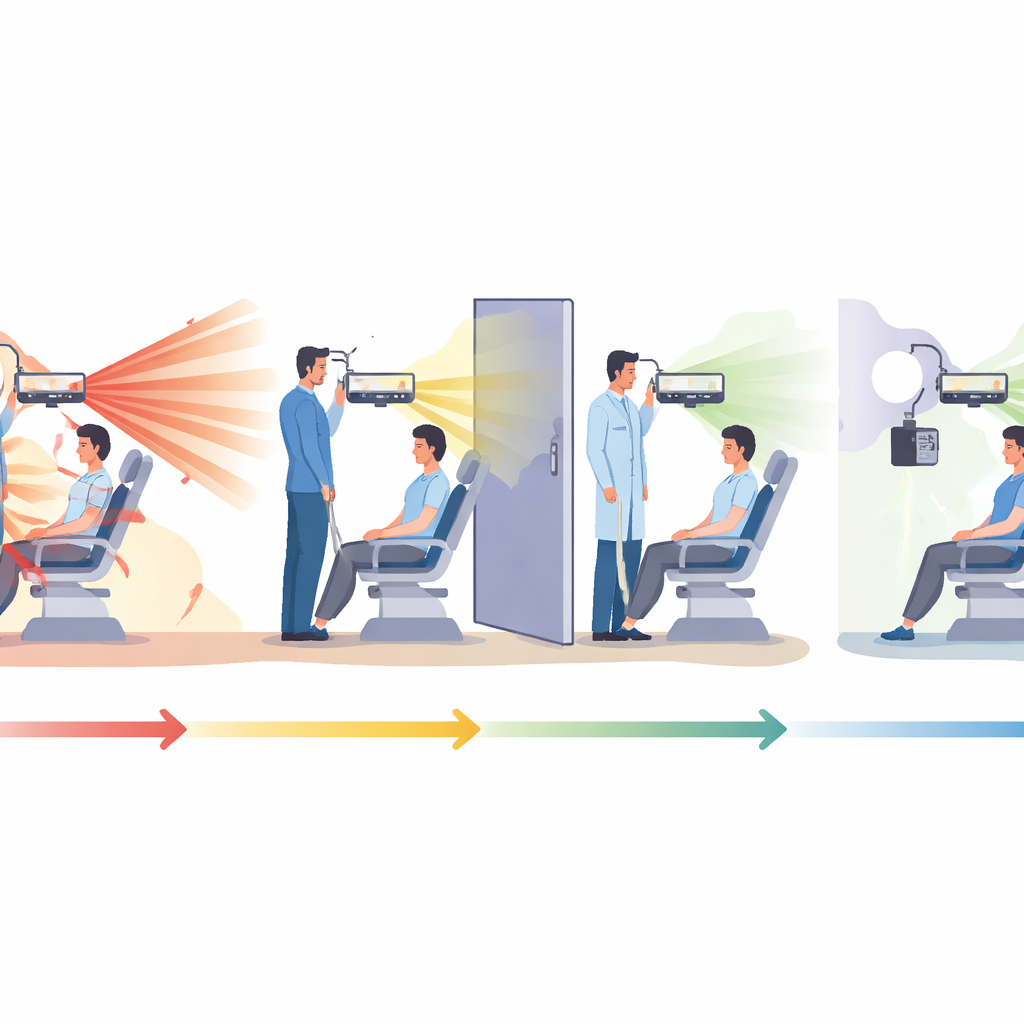
Where Dentists Want to Go Next
Despite the gaps uncovered, the study offers a hopeful note: nearly four out of five dentists said they wanted more education on radiation safety. Yet only a small minority had ever received formal training beyond their basic dental degree. The authors point out that online courses and free materials from reputable international agencies are already available, but need to be actively promoted and built into dental school programs and continuing education. They also recommend that clinics adopt a "radiation safety culture"—making regular equipment checks, auditing when and why X‑rays are ordered, and involving staff in safety discussions.
What This Means for Patients and Families
For patients, the study’s bottom line is reassuring but also a call for awareness. Dental X‑rays remain a valuable and generally low‑dose tool, yet protecting sensitive groups, especially children and pregnant women, requires consistent attention to safety rules. The survey shows that many Egyptian dentists, like colleagues in other countries, need clearer guidance and better training to align their daily habits with modern standards. When that happens—through updated teaching, accessible training, and stricter clinic routines—patients can benefit from the diagnostic power of dental imaging while keeping unnecessary radiation exposure to a minimum.
Citation: Rashed, M.F., Gadallah, L.K., Galal, M.A. et al. Knowledge, attitude, and practice in diagnostic dental radiology: an Egyptian survey with a global perspective. BDJ Open 12, 33 (2026). https://doi.org/10.1038/s41405-026-00415-2
Keywords: dental radiology, radiation safety, dentist education, cone-beam CT, pediatric imaging