Clear Sky Science · en
Slower than it appears? A statistical representation of the evolution of gender equality in Europe
Why measuring equality matters
Across Europe, many people assume that gender equality is slowly but surely improving. This article takes a closer look at how that story is told and asks whether official statistics may be painting a rosier picture than reality. By unpacking how Europe’s main gender equality score is built, the authors show that small technical choices in the index can make progress look faster than it really is.
How Europe turns lives into one score
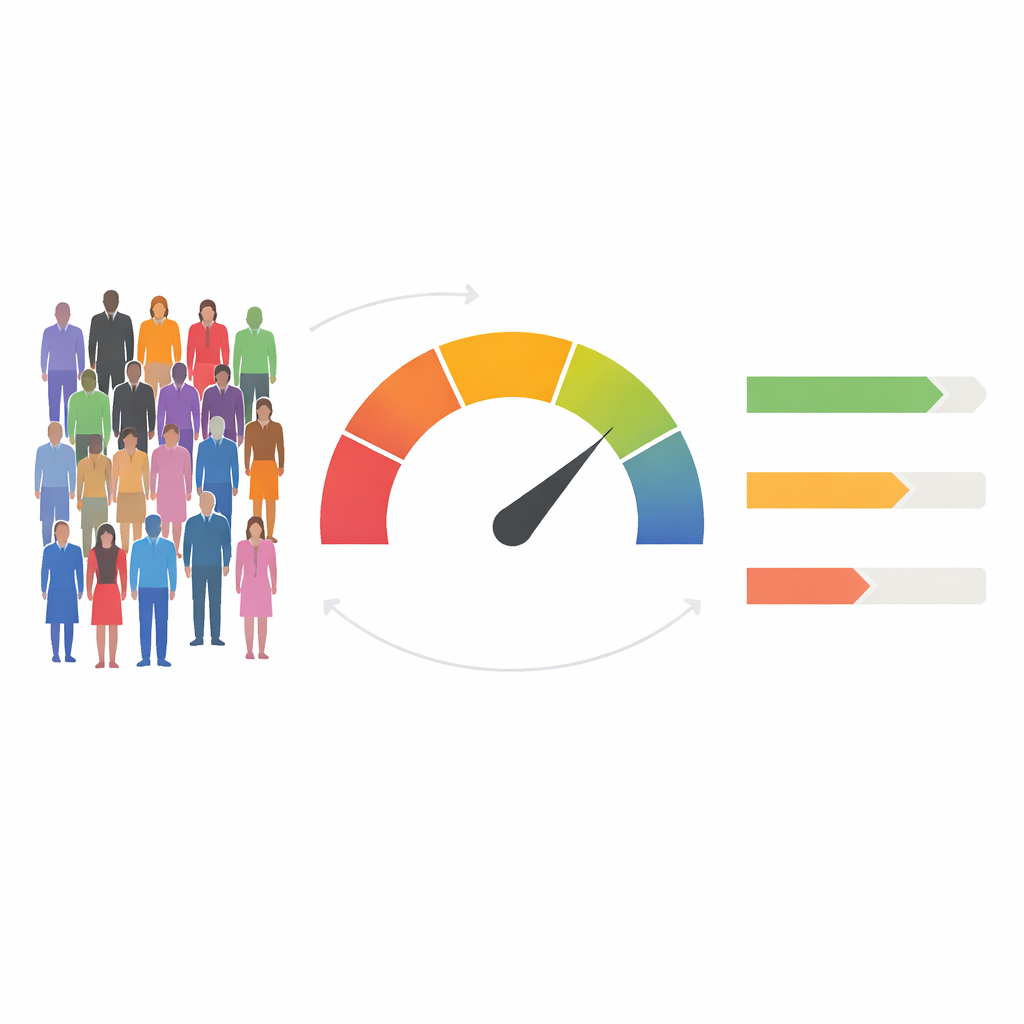
The European Union treats gender equality as a core value and needs a clear way to track how countries are doing. For this, it relies on the Gender Equality Index, or GEI, created by the European Institute for Gender Equality. The GEI condenses information from 31 separate measures into a single figure for each country. These measures cover six areas of everyday life, including work, money, education, time use, power, and health. Thanks to strong European data systems, the GEI can follow differences between women and men in many aspects of well-being, influence, and behaviour.
Three quiet choices that shape the story
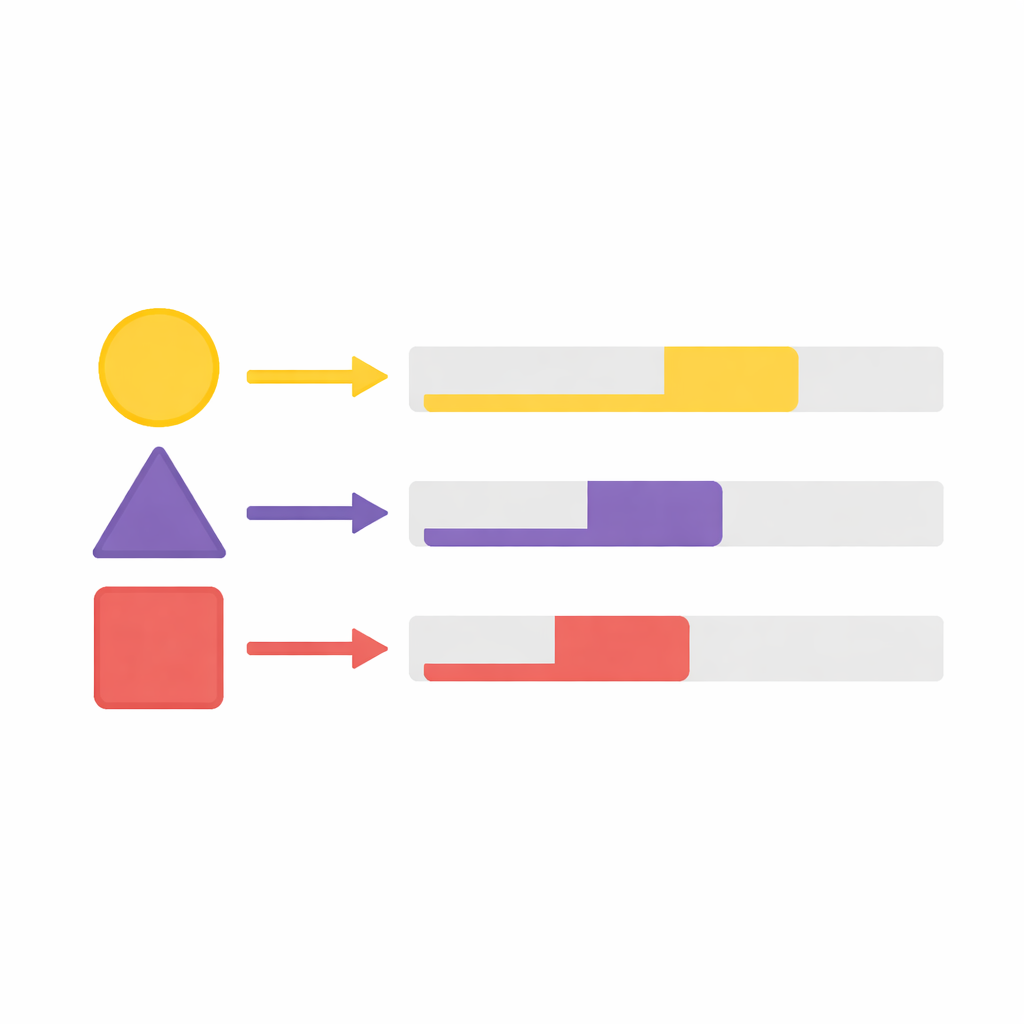
The paper focuses on three technical features of the GEI that have sparked criticism. First, the index does not just measure gaps between women and men. It also adds a correction linked to how well the whole population is doing on each measure. This means a country can score higher even if the gap between women and men does not shrink, simply because life improves for everyone. Second, the GEI combines its building blocks using a particular type of average that tends to reward progress in some areas more than others. Third, several of its underlying measures are updated only rarely, so recent editions of the index partly rely on older survey data.
Testing alternative ways to count progress
To see how much these design choices matter, the authors rebuild the GEI in several new versions. In one version they remove the correction so that the score depends only on the gap between women and men. In another, they replace the original averaging method with a simpler one. They also test what happens when an outdated measure of career prospects, which barely changes over time, is dropped. Lastly, they apply all three changes at once and compare these new paths with the official GEI for the years 2010 to 2022 across the 27 EU member countries.
Progress looks slower and more uneven
Under the official method, the EU’s overall score rises notably over twelve years, and every country appears to move forward, even if only by a few points in the slowest cases. When the authors remove the correction or change the averaging method, the improvement becomes smaller. When all three changes are combined, the rise in the EU score is cut to roughly half of what the official index suggests. The study also shows that much of the apparent progress is driven by gains in one area: power, meaning women’s presence in political and decision-making roles. In some countries, improvements in this area alone account for nearly all, or even more than all, of the increase in the overall index.
What this means for people’s lives
From a layperson’s perspective, the article’s message is that Europe’s main gender equality score may give an overly hopeful impression. The index suggests slow but steady movement in the right direction, yet when its most questioned features are adjusted, the trend looks closer to stagnation in many areas that affect large numbers of women, such as pay or unpaid care work. At the same time, visible gains in high-profile positions can lift the numbers without changing daily life for most people. The authors do not reject the index itself but argue for modest changes in how it is calculated, so that the picture of gender equality in Europe better matches the lived experience of women and men.
Citation: Olaskoaga-Larrauri, J., Ranilla-Arija, J. & Cilleruelo-Carrasco, E. Slower than it appears? A statistical representation of the evolution of gender equality in Europe. Humanit Soc Sci Commun 13, 599 (2026). https://doi.org/10.1057/s41599-026-06966-x
Keywords: gender equality, Europe, Gender Equality Index, social indicators, women in power