Clear Sky Science · en
Growing together: reflections on Canada’s first interdisciplinary women’s health research training program
Why this training program matters
For decades, health research has treated the male body as the default, leaving big blind spots in our understanding of women and gender-diverse people’s health. This gap affects everything from how drugs work to whose pain is taken seriously. The article explores Canada’s first national, interdisciplinary training program devoted to women’s health research, asking a simple question with wide-reaching impact: what happens when you invest in emerging scholars who want to change this story?
How health research left women behind
The paper begins by outlining how health studies have often focused on cisgender men, while treating women’s bodies as too variable or complicated to study. This bias, combined with a frequent disregard for gender and race, has meant that side effects, delayed diagnoses, and poorly tailored treatments are all too common for women and gender-diverse people. On top of that, women’s health research receives only a small slice of global funding, and the money that does exist tends to concentrate on a few topics like reproduction and cancer. At the same time, women and gender-diverse researchers face barriers throughout their academic careers, from hiring and promotion to unequal access to mentorship and grants.
Building a new kind of learning community
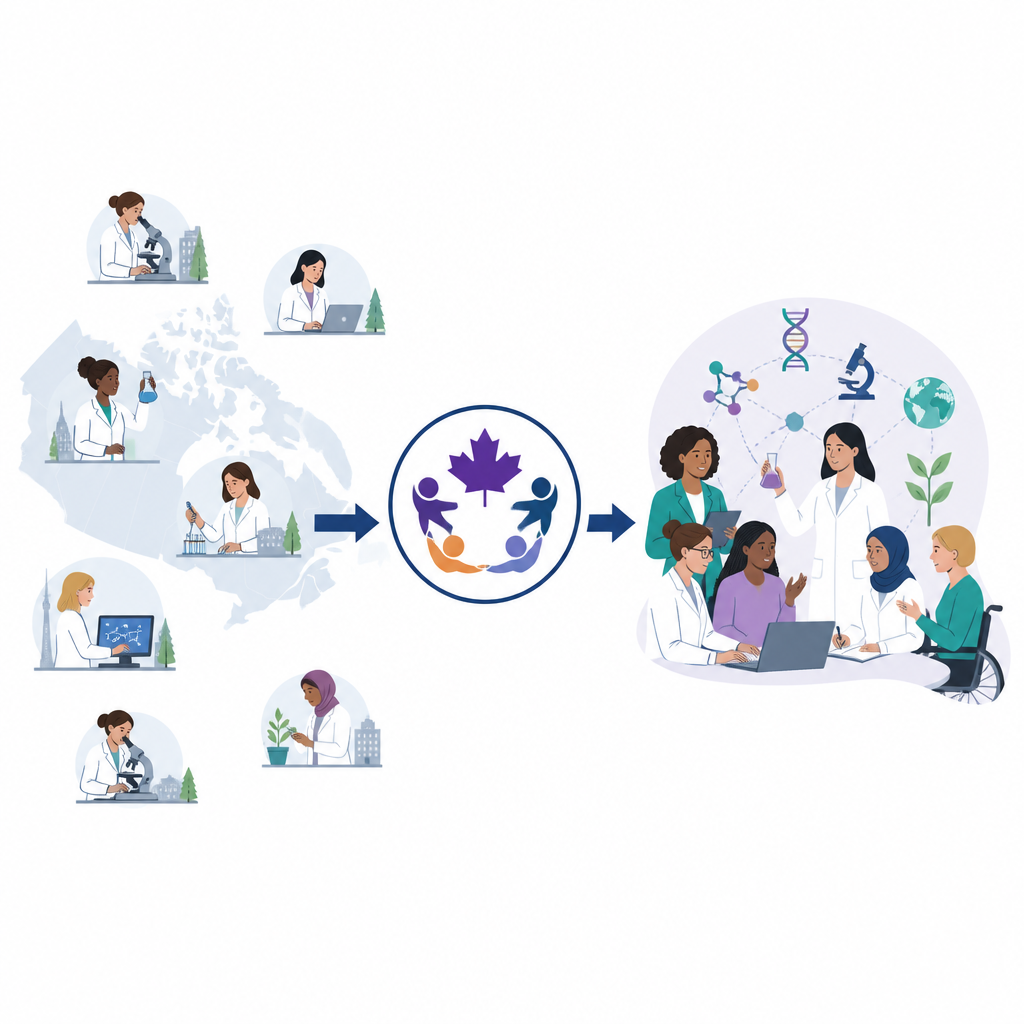
To respond to these gaps, Canadian researchers launched the GROWW program in 2022. GROWW brings together graduate students, clinical trainees, postdoctoral fellows, and early-career researchers from across Canada who focus on girls’ and women’s health. The program blends virtual seminars, skill-building workshops, structured mentorship, an annual in-person summit, and support for collaborative papers and scholarships. The authors, who were part of the first cohort, used a reflective research approach to examine their own experiences in the program, combining anonymous surveys with written personal reflections to identify what helped, what did not, and why it matters.
What participants gained from the experience
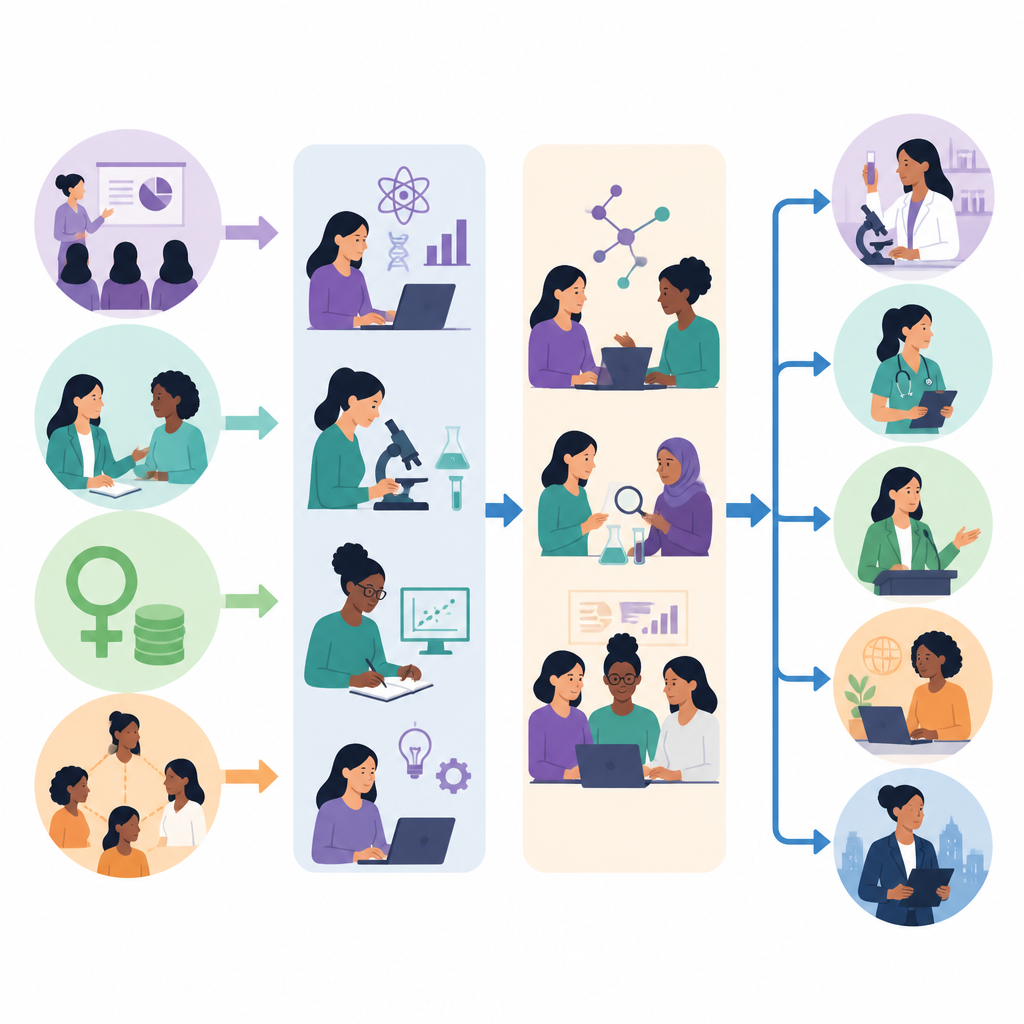
Cohort members reported that GROWW broke down the usual walls between academic fields. Many had previously worked within narrow specialties and felt stuck in familiar methods and topics. Through the program, they encountered new ways of thinking about women’s health, including ideas about how sex, gender, race, class, and disability intersect to shape health outcomes. They also picked up practical skills rarely taught in regular degree programs, such as how to review grant applications, communicate findings to the public, and collaborate across disciplines. These experiences gave them a clearer picture of how research funding works and how to share their findings beyond academic journals.
Community, confidence, and pushing back against old norms
Participants emphasized the sense of community as one of the program’s greatest strengths. After years of pandemic-related isolation and in often competitive academic environments, GROWW offered a supportive network of peers and mentors who shared a commitment to improving women’s health. The largely women-led leadership team modeled what inclusive, collaborative academic life can look like, especially for those juggling caregiving responsibilities or entering academia through nontraditional paths. Many participants described feeling more confident, more valued, and more certain that they belonged in research focused on women’s health. They also recognized that these relationships are likely to fuel future collaborations and help counter the “leaky pipeline” that sees women leave academic careers.
Lessons for future programs and the road ahead
The authors are clear that the first version of GROWW was not perfect. Some seminars did not match everyone’s background knowledge, a few activities lacked structure, and the mentorship matching process sometimes resulted in weak or one-sided relationships. They recommend more flexible, skills-based sessions, better scheduling and accessibility, and more intentional mentor selection. Yet, taken together, their reflections suggest that programs like GROWW can help protect and expand women’s health research at a time when political shifts threaten to weaken support for gender-focused work. By training researchers to work across fields, center equity and inclusion, and support one another, GROWW offers a hopeful model for how research communities can grow stronger while taking on some of the most pressing health questions of our time.
What this means for everyday health
For a lay reader, the bottom line is that the quality of health care depends on who is doing the research, what questions they ask, and whose bodies and lives they consider. This article shows that when early-career researchers are given the tools, mentorship, and support to focus on women’s health, they not only gain skills but also build a network dedicated to making care more fair and effective. In an era when some governments are cutting back on gender-related research, programs like GROWW help ensure that women’s health and the people who study it are not left behind.
Citation: Mathias, H., Rushton, A., Dutton, S. et al. Growing together: reflections on Canada’s first interdisciplinary women’s health research training program. Humanit Soc Sci Commun 13, 668 (2026). https://doi.org/10.1057/s41599-026-06875-z
Keywords: women’s health research, gender equity in science, research training programs, interdisciplinary collaboration, academic mentorship