Clear Sky Science · en
“ShanNian” as a predictor of subjective well-being via gameplay gratification in the gaming context of Ant Manor
Doing Good While Playing Games
Imagine feeding a virtual chicken on your phone and, at the same time, helping real people in need. This is the promise of Ant Manor, a popular mini‑game inside China’s Alipay app. The game turns everyday phone use into small charitable acts. The article explores a simple but powerful question: when young people play this kind of public‑welfare game, does their inner wish to be kind actually make them happier in real life?
A Game That Gives Back
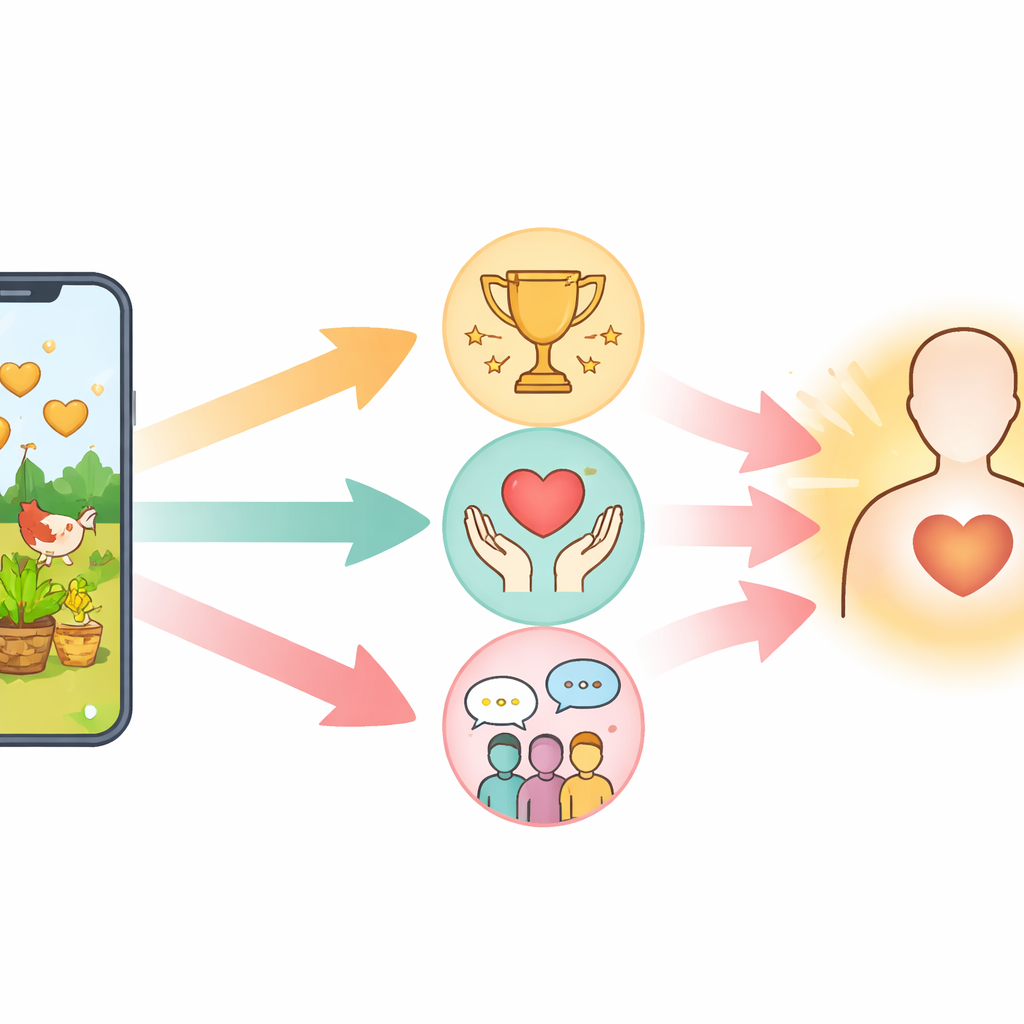
Ant Manor looks like a casual farm game, but every action can support real‑world projects such as poverty relief, health care, education for girls, and clean water. Players earn virtual “love eggs” by completing small tasks—checking in, interacting with friends, or making payments. These eggs can then be donated to charity projects run through the platform. Over recent years, the system has channeled large sums of money into causes linked to the United Nations’ Sustainable Development Goals. Yet until now, little was known about why people keep playing these games for good, or how this activity shapes their sense of happiness.
The Power of Kind Thoughts
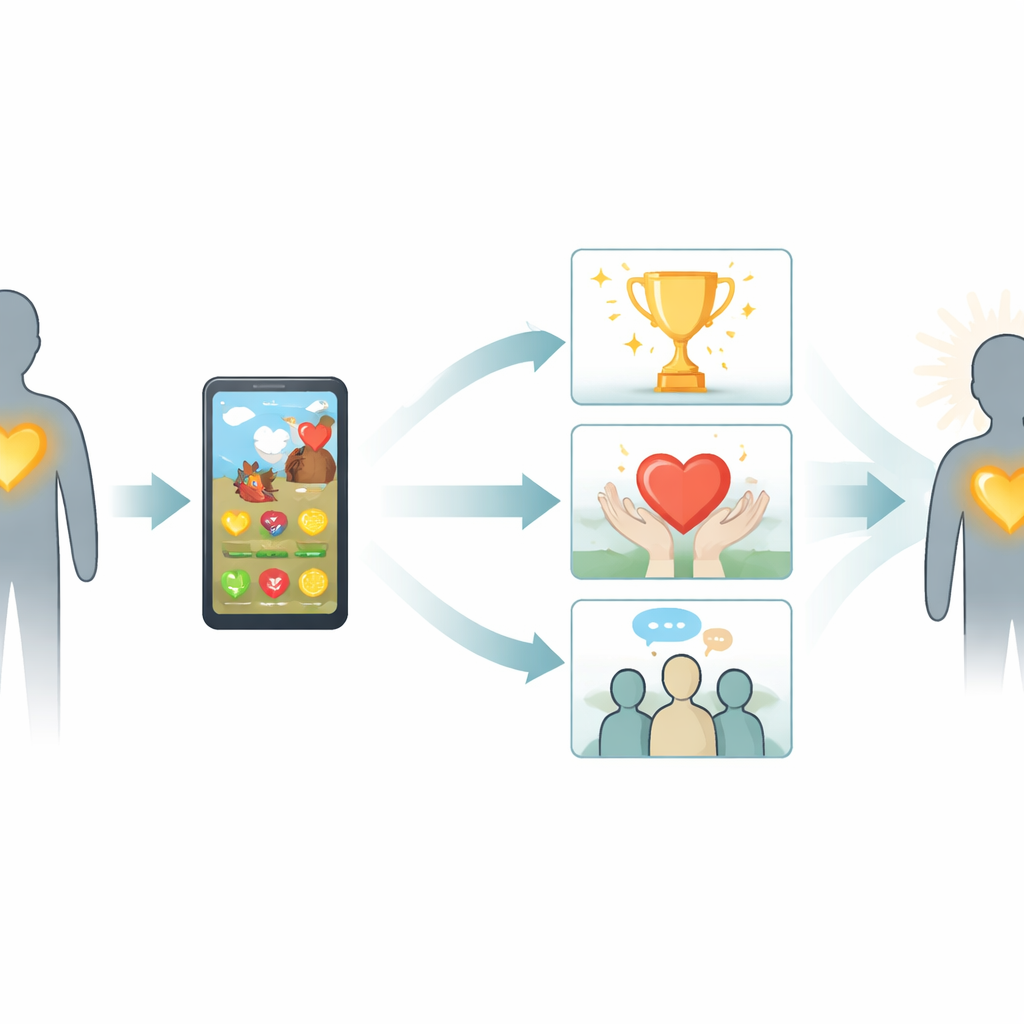
The researchers focused on a specifically Chinese idea called ShanNian, meaning “good thoughts” or kind intentions toward others. It is similar to altruism, but emphasizes the inner desire to help rather than the visible deed itself, and is deeply rooted in Confucian traditions that see human nature as basically good. The team proposed that when players have strong ShanNian, they are more likely to feel three kinds of satisfaction from Ant Manor: personal achievement (reaching goals and winning rewards), public‑welfare satisfaction (feeling they are genuinely helping others), and social satisfaction (feeling connected to a wider community).
From Game Satisfaction to Real Happiness
To test these ideas, the authors surveyed over 500 Chinese vocational college students who had played Ant Manor for at least six months. Using established psychological questionnaires, translated and adapted for Chinese culture, they measured each student’s ShanNian, the three game‑related gratifications, and overall life satisfaction and positive feelings—often called subjective well‑being. They also measured a tendency to “answer nicely” on surveys (social desirability) and controlled for it statistically, so that the results would not simply reflect people trying to look good. Advanced statistical modeling was then used to see how these pieces fit together.
What the Numbers Revealed
The analysis showed a clear pattern. Students with stronger ShanNian felt more satisfied on all three fronts when playing the game: they enjoyed a sense of achievement, believed they were contributing to public causes, and felt more socially connected. In turn, each type of satisfaction was linked to higher subjective well‑being, with public‑welfare and social satisfaction showing especially strong ties to happiness. Together, these gratifications explained a large share of the variation in students’ well‑being. ShanNian also boosted happiness indirectly, by increasing these satisfactions, even when the tendency to give socially desirable answers was taken into account.
Why This Matters Beyond the Screen
The findings suggest that public‑welfare games can do more than entertain: they can channel long‑standing cultural values of kindness into everyday digital habits, and in the process, help people feel better about their lives. When young players act on their kind thoughts through simple in‑game tasks that support real causes, they feel more accomplished, more socially involved, and more useful to others—and this mix of feelings feeds into greater happiness. For designers, educators, and charities, the message is hopeful: well‑designed digital experiences that make it easy and meaningful to “do good” may nurture both a more caring society and more satisfied individuals.
Citation: Ye, JH., Yang, X., He, Z. et al. “ShanNian” as a predictor of subjective well-being via gameplay gratification in the gaming context of Ant Manor. Humanit Soc Sci Commun 13, 372 (2026). https://doi.org/10.1057/s41599-026-06857-1
Keywords: altruistic gaming, subjective well-being, digital philanthropy, Chinese youth, prosocial behavior