Clear Sky Science · en
A cross-sectional study of factors influencing innovative behavior among basic education students
Why tomorrow’s problem-solvers start in today’s classrooms
In a world where jobs, technology, and social challenges are constantly changing, it is not enough for students to memorize facts. They also need to turn new ideas into real projects, solutions, and improvements. This study looks at what helps basic education students in Thailand behave like young innovators—students who spot opportunities, try out new approaches, and make their ideas happen. Understanding these ingredients can guide parents, teachers, and policymakers who want schools to raise not just good test-takers, but creative citizens.
The traits behind everyday creativity
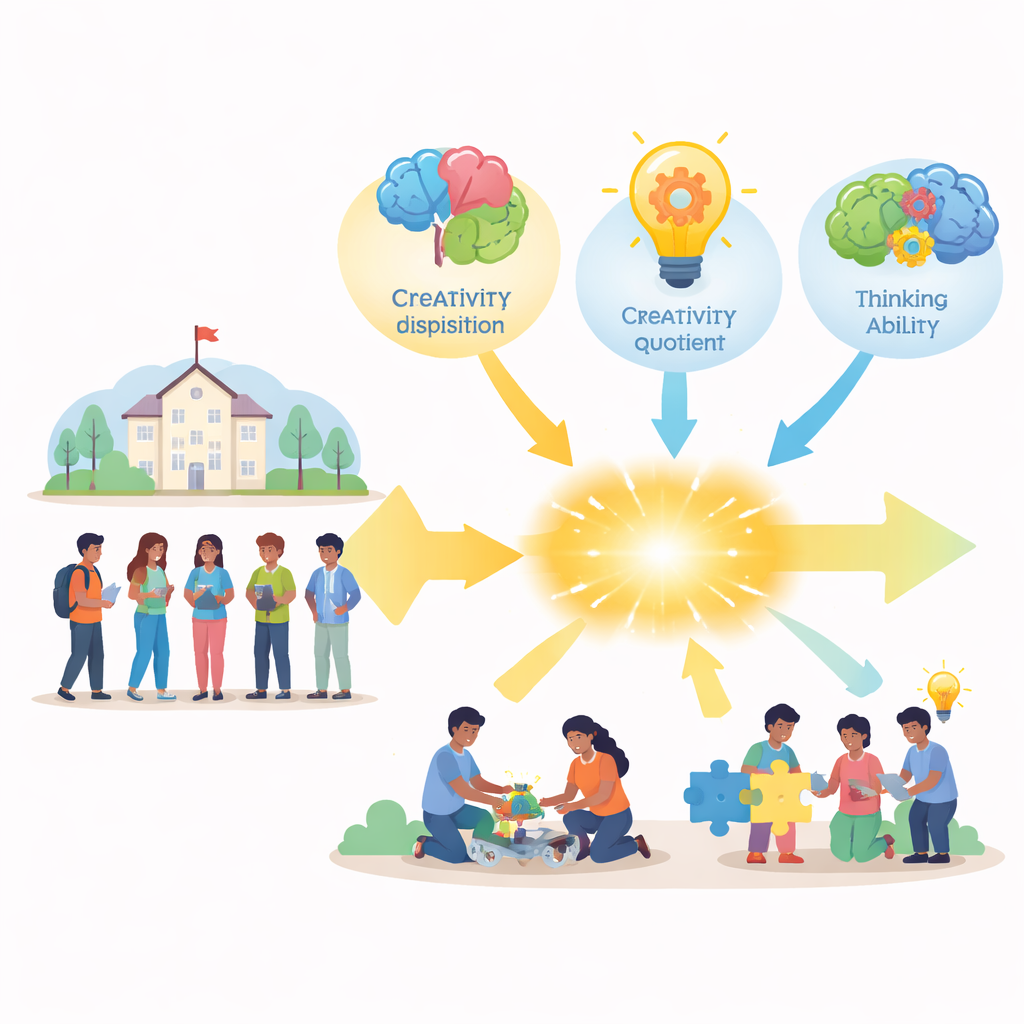
The researchers focus on several personal traits that quietly shape how students deal with new ideas. One is creativity disposition, which is a lasting tendency to be curious, open to new experiences, emotionally sensitive, and willing to tackle problems. Another is creative self-belief—the confidence that “I can come up with something new and make it work.” The study also includes creativity quotient, a way of capturing how many different ideas students can produce and how flexibly they think, and overall thinking ability, which covers skills like analyzing information, weighing options, and making sound decisions. Together, these traits and abilities form the inner toolkit that students bring to every classroom task.
How the study was carried out
The team surveyed 1,494 students from 16 schools across four regions of Thailand, spanning grades 1 through 12. Using carefully tested questionnaires and thinking tests, they measured students’ creativity disposition, creativity quotient, thinking ability, creative self-belief, and innovative behavior. Innovative behavior was defined as a pattern of actions: searching for new information, generating ideas, influencing peers with fresh thinking, and applying ideas in concrete projects or products. The researchers then used a structural equation model, a type of statistical network, to see how these pieces fit together and which ones matter most for pushing students toward innovative actions.
What students are like today
The snapshot of current students is mixed. On average, creativity disposition, creativity quotient, creative self-belief, and innovative behavior all sit at moderate levels. In contrast, thinking ability scores are noticeably low. This suggests that while many students are somewhat curious and willing to try creative tasks, they may lack the stronger reasoning skills needed to fully develop and refine their ideas. The authors argue that this pattern reflects how basic education is currently organized: national plans in Thailand emphasize innovation and higher-order thinking, yet classroom practice has not fully caught up, leaving important creative skills only partly developed.
The key engine: belief in one’s creative ability
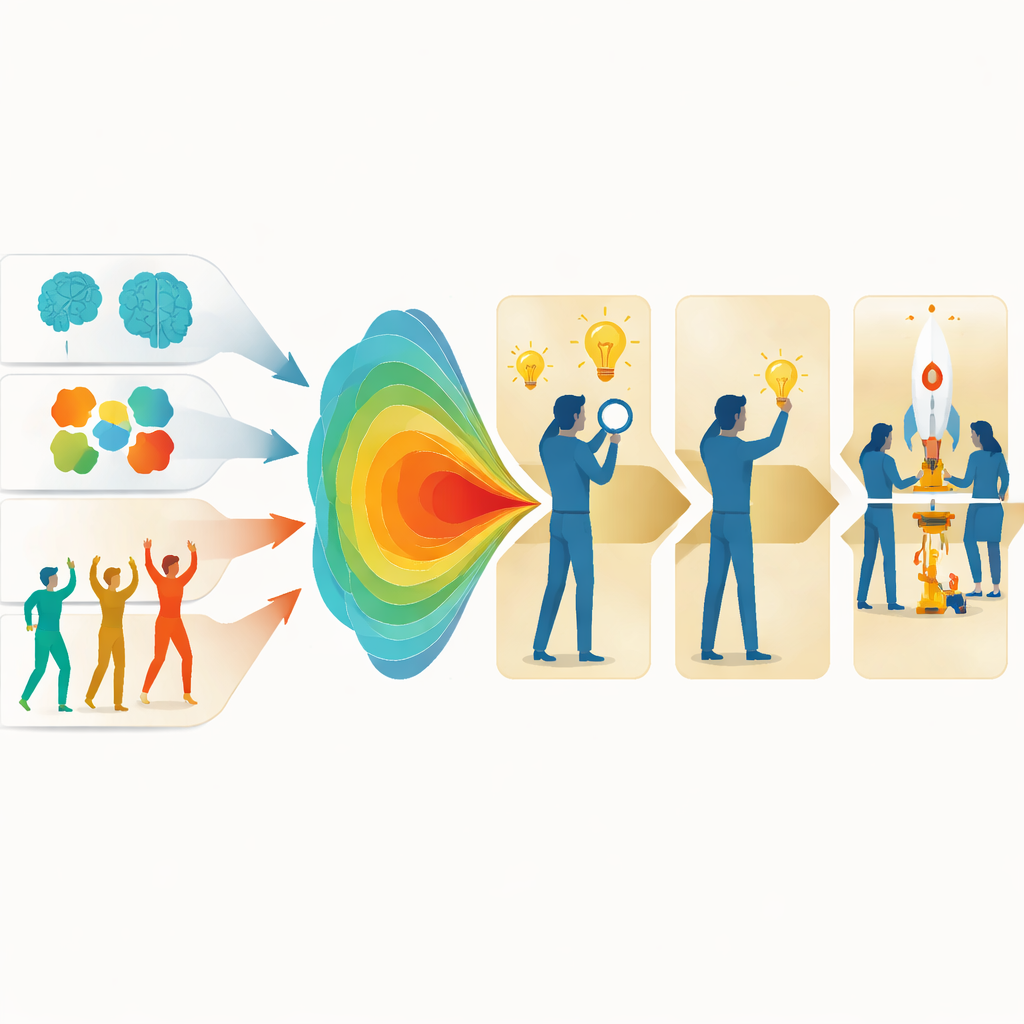
The core finding is that creative self-belief is the strongest direct driver of innovative behavior. Students who are more confident in their creative abilities are far more likely to explore opportunities, generate ideas, and turn them into real outcomes. Creativity disposition and creativity quotient both push innovative behavior directly, but they also work indirectly by building creative self-belief. Thinking ability has a smaller, yet still meaningful, impact: sharper thinking slightly boosts students’ confidence and, through that, their willingness to act on ideas. Overall, the model shows that this cluster of traits explains a large share of the differences in how innovative students are, with emotional and motivational factors slightly outweighing pure thinking skills.
What this means for schools and society
For educators and policymakers, the message is clear: raising a generation of innovators requires more than sharpening test performance. Schools need to nurture students’ creative self-belief and creativity disposition—giving them chances to explore new experiences, persist with challenging projects, and see themselves as capable creators. At the same time, lessons should strengthen thinking skills and flexible idea generation, so that students can move from many possibilities to workable solutions. Done well, these changes would not only support national innovation goals in Thailand but also offer a model for other countries seeking to prepare young people to tackle complex problems with confidence and imagination.
Citation: Saengpanya, W., Upasen, R. A cross-sectional study of factors influencing innovative behavior among basic education students. Humanit Soc Sci Commun 13, 376 (2026). https://doi.org/10.1057/s41599-026-06715-0
Keywords: student innovation, creative confidence, thinking skills, creativity in education, basic education