Clear Sky Science · en
A combined PBL and flipped classroom intervention enhances self-directed learning ability and empathy in ophthalmology undergraduates
Why how doctors learn about eye injuries matters
Eye injuries can change a person’s life in an instant, affecting how they see, work and connect with others. Yet many medical schools struggle to teach eye care effectively in the limited class time available. This study looked at a new way of teaching an "Ocular Trauma" (eye injury) class to future doctors in China. By reshaping the classroom so that students prepare beforehand and solve real-world problems together, the researchers asked a simple but powerful question: can we train students not only to know more, but also to care more and learn on their own for the rest of their careers?
A new twist on classroom time
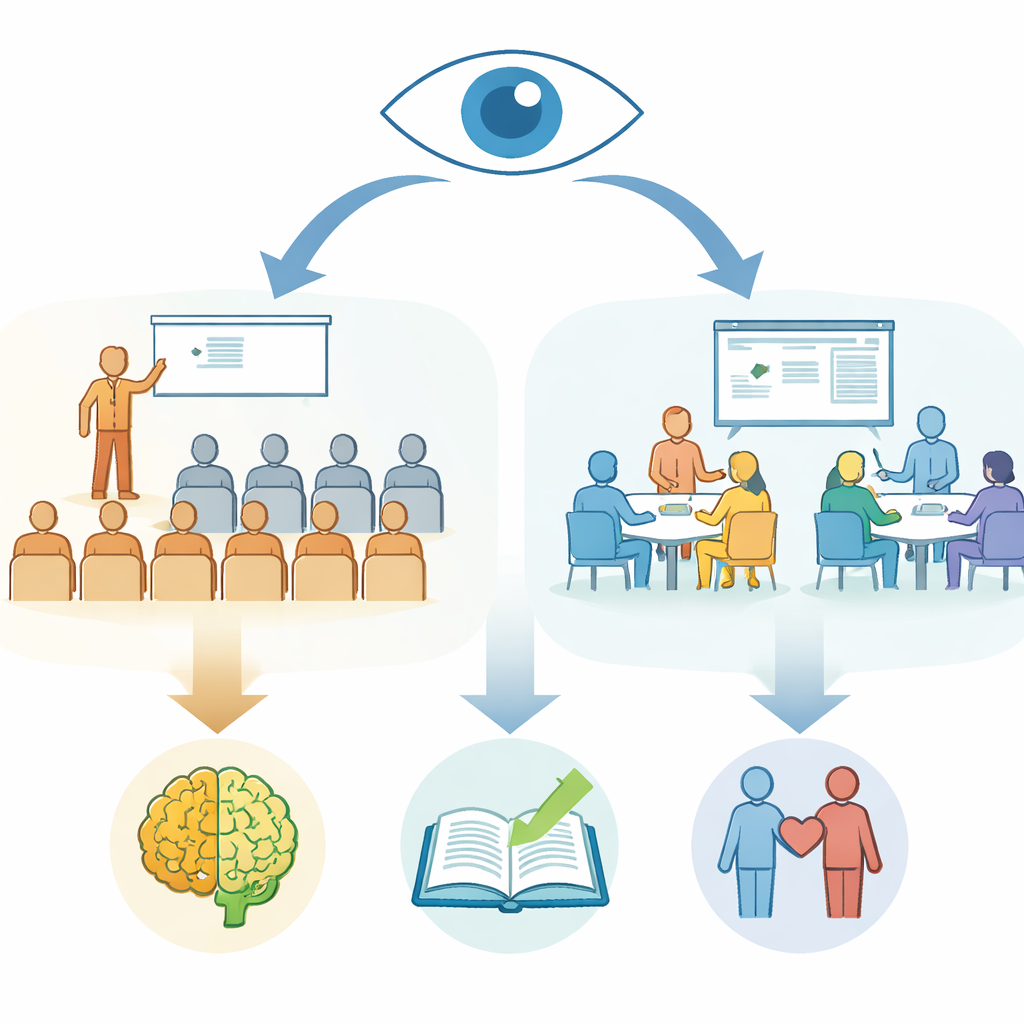
The researchers focused on third-year medical students taking a short module on eye injuries. Instead of relying only on traditional lectures, they combined two modern approaches. In a flipped classroom, students study the basic material before class using readings, slides and videos, freeing class time for deeper work. In problem-based learning, small groups work through realistic cases, asking questions and searching for answers together. The team blended these ideas into a single approach, called PBL-FC, and compared it with standard lectures to see which better prepared students for real-world eye care.
From passive listening to active exploration
Eight existing classes of students were divided into two groups. Four classes used the PBL-FC method and four kept the traditional, teacher-centered format. All students used the same textbook, had the same instructor and spent the same amount of time on the topic. For the PBL-FC group, preparation began a week before the lesson. Students were given materials on eye injuries and asked to explore questions tied to everyday situations in China, such as injuries from fireworks, workplace accidents or riding electric bicycles without helmets. Working in small teams, they gathered information, debated what they found and built short presentations. During class, each team presented, answered questions from classmates and took part in a teacher-led discussion that connected their findings to clinical knowledge and broader social issues.
Measuring learning and empathy
To understand the impact of this teaching style, the researchers did more than simply ask students whether they liked the class. One week before and after the lesson, all students completed a detailed questionnaire measuring how well they manage their own learning—things like planning, choosing strategies, evaluating their progress and working with others. They also filled out a widely used empathy survey that gauges how easily a person can understand and respond to others’ feelings. After the ophthalmology course ended, everyone took the same written exam. The two groups were similar in age, gender and starting scores, so any changes could be more confidently linked to the different teaching approaches.
Stronger study habits and kinder perspectives
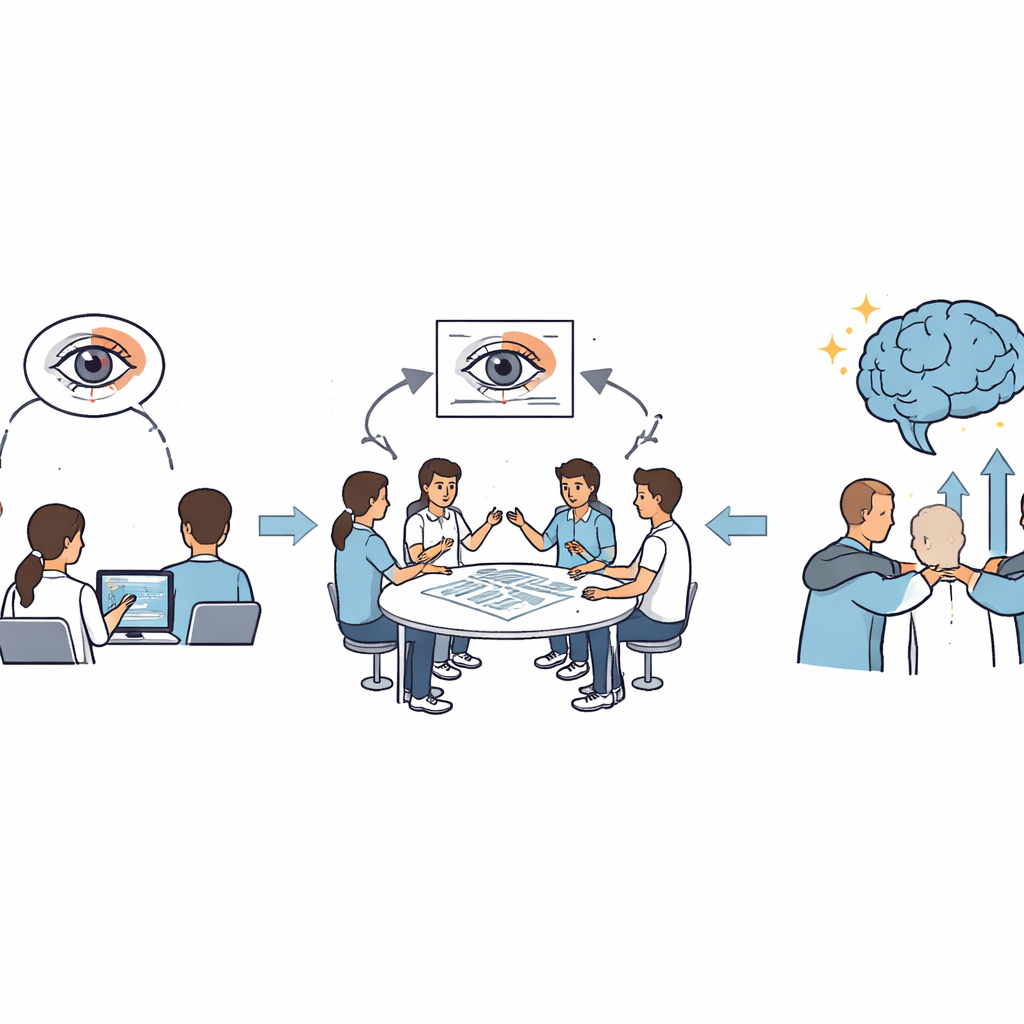
After the class, students in the PBL-FC group showed clear gains. Their ability to direct their own learning improved across every part of the scale, from awareness of how they learn to the strategies and behaviors they use and how they work with classmates. Their total scores were much higher than those of the traditional lecture group, which showed little change. The PBL-FC students also scored better on the empathy survey and did slightly better on the final written exam in ophthalmology. Both groups became a bit more empathic over time, but the increase was noticeably larger for students who had actively gathered information, discussed real-life eye injury cases and reflected together in class. These results suggest that the way material is taught can shape not only what students know, but how they think, feel and continue learning.
What this means for future eye doctors
The study concludes that blending problem-based learning with a flipped classroom can help medical students learn eye care more deeply, become more independent learners and develop greater empathy for patients. Because the research involved only one topic at a single school and followed students for a short time, the authors caution that more work is needed to see how long these benefits last and whether they apply to other eye diseases and other settings. Still, the findings point toward a hopeful message: carefully designed, active classrooms can train tomorrow’s doctors to be both more knowledgeable and more humane, even when teaching time is limited.
Citation: Yang, Y., Xue, J., Hu, L. et al. A combined PBL and flipped classroom intervention enhances self-directed learning ability and empathy in ophthalmology undergraduates. Sci Rep 16, 11696 (2026). https://doi.org/10.1038/s41598-026-47584-6
Keywords: medical education, ophthalmology, flipped classroom, problem-based learning, empathy