Clear Sky Science · en
Prevalence and associated factors of academic burnout among undergraduate health science students in Cameroon: a cross-sectional study
Why student exhaustion matters
For many young people, training to become a nurse, midwife, or lab technician is a pathway to a better life and to helping others. Yet the intense pressure of health science programs can quietly grind students down, leaving them emotionally drained, discouraged, and less able to learn. This study shines a light on academic burnout among health science undergraduates in Cameroon, revealing how common it is, what fuels it, and why tackling it early could protect both future caregivers and their patients. 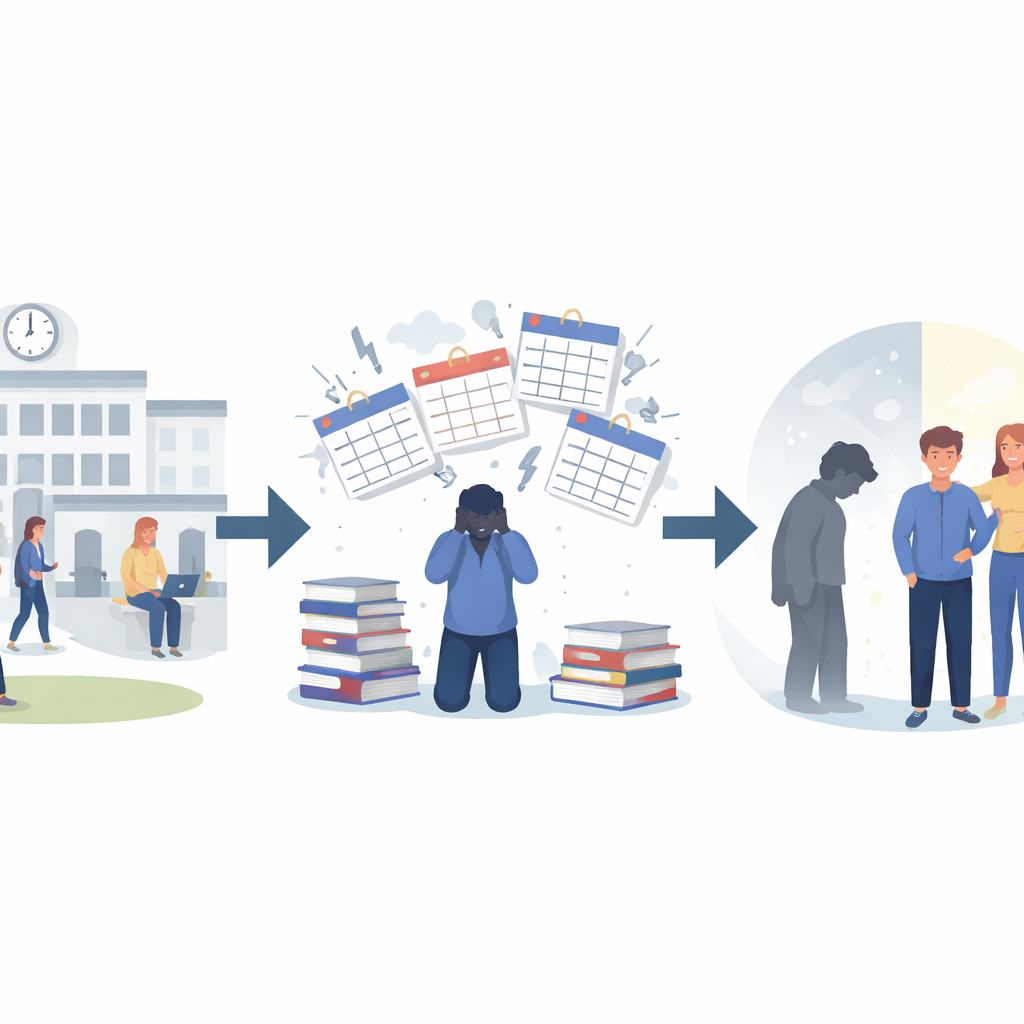
Taking a close look at student strain
Researchers surveyed 570 undergraduate health science students at St. Louis University Institute in the cities of Douala and Yaoundé over one month in early 2024. Students from several programs took part, including nursing, midwifery, pharmacy technology, medical laboratory sciences, dental therapy, physiotherapy, and radiology. Most participants were women aged 16 to 25. Using standardized questionnaires, the team gathered basic background information and asked students about their workload, support from friends and teachers, money worries, free time, sleep, and habits such as exercise or alcohol use. Two established scales were used: one to measure how stressed students felt in daily life, and another to capture signs of burnout such as exhaustion, loss of interest in studies, and the tendency to give up when overwhelmed.
How common is burnout in these future caregivers?
The picture that emerged was troubling. Almost half of the students—47 percent—met the threshold for academic burnout. Burnout rates were similar for men and women, and appeared across departments, with particularly high levels in medical imaging and physiotherapy. First-year students were at greatest risk: more than half of them showed signs of burnout, compared with lower proportions in second- and third-year students. When the researchers looked at the three main aspects of burnout, students scored highest on “overload”: feeling that demands from school and personal life were too heavy to manage. This suggests that even early in their training, many students already feel swamped by expectations and responsibilities.
What drives students toward burnout?
To understand what was pushing students toward this state, the team examined which factors were linked to burnout after accounting for others. Several stood out clearly. Students who reported heavy academic workload, strong pressures from both study and personal life, and very high everyday stress were significantly more likely to be burned out. Being in the first year of study was also an important risk factor, perhaps because students are adapting to a new environment, living away from family, and juggling unfamiliar demands with limited coping strategies. In contrast, some elements that might seem important—such as gender, department, smoking, alcohol use, weekly exercise, and satisfaction with their field of study—were not strongly tied to burnout in the final analysis. 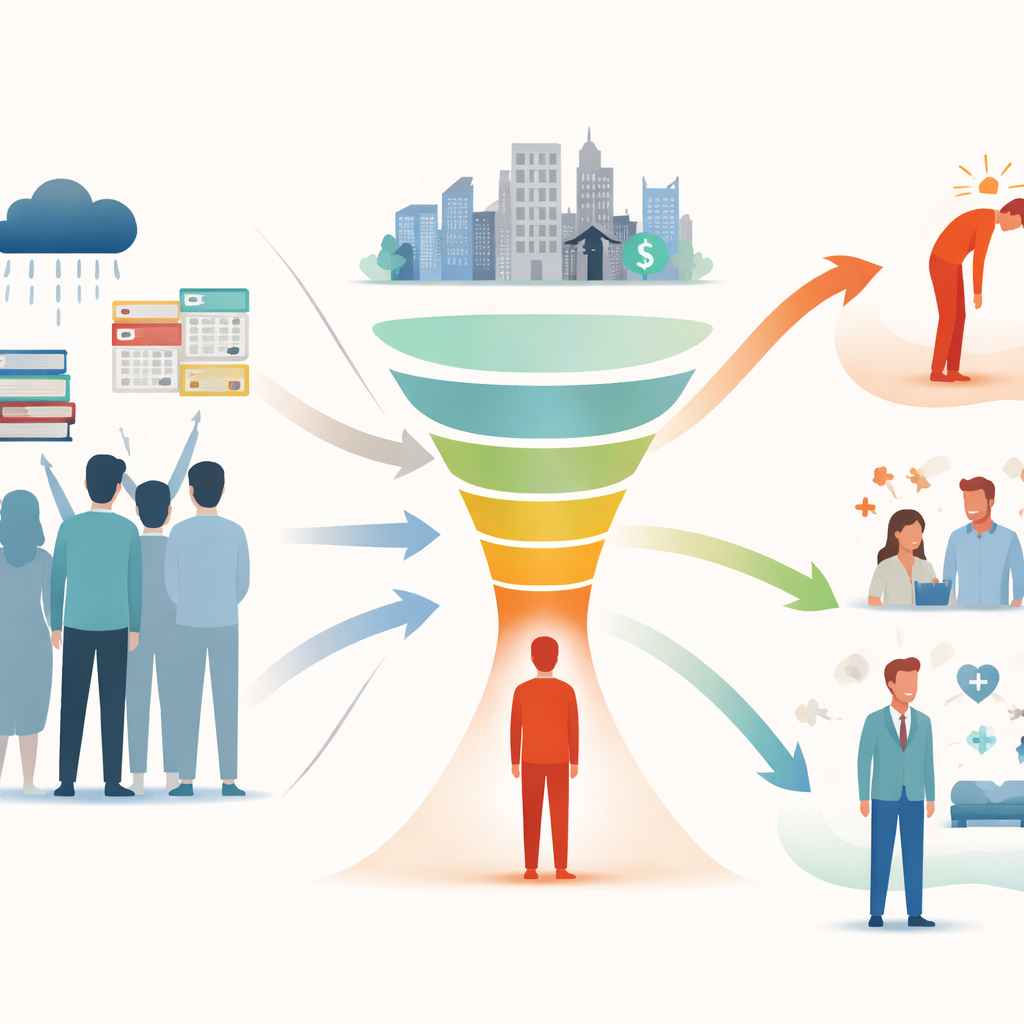
Why this matters beyond the classroom
The authors argue that burnout in health science students is not just a personal problem; it has implications for the future health workforce and for patient safety. Earlier research has shown that burned-out health professionals are more likely to make mistakes and provide poorer care. If students reach this state before they even graduate, they may carry emotional exhaustion and cynicism into their professional lives. In low-resource settings such as Cameroon, where health systems already struggle with staff shortages and limited support, this burden can be especially damaging.
Steps that schools and students can take
Although this study cannot prove cause and effect, it points toward practical steps. The authors recommend that health training institutions routinely screen students—especially first-years—for signs of high stress and burnout, and adjust course loads and exam schedules to keep demands realistic. They argue for stronger mentoring, counseling, and peer support systems, as well as programs that teach students about burnout, healthy coping strategies, and the importance of sleep, exercise, and asking for help. For students themselves, building supportive friendships, seeking guidance early, and practicing simple self-care habits may buffer the impact of heavy workloads. In plain terms, the study’s message is clear: caring for those who are training to care for others is an essential investment in a safer, more resilient health system.
Citation: Buh, F.C., Nazeu, A.N.F., Foncha, K. et al. Prevalence and associated factors of academic burnout among undergraduate health science students in Cameroon: a cross-sectional study. Sci Rep 16, 14256 (2026). https://doi.org/10.1038/s41598-026-44679-y
Keywords: academic burnout, health science students, student stress, Cameroon universities, mental health in education