Clear Sky Science · en
Characterizing persistent Post-COVID-19 vaccination symptoms using MedDRA system organ class and preferred term classifications
Why lingering symptoms after shots matter
Most people roll up their sleeves for a COVID-19 vaccine, feel sore or tired for a day or two, and then move on. But a minority report symptoms that drag on for months—sometimes affecting memory, energy and daily life. This study from Japan set out to closely track such long-lasting problems after vaccination, using a nationwide network of clinics and a common medical language for describing symptoms. The goal was not to question the overall benefits of vaccines, but to better understand, name and follow the people who don’t bounce back so quickly.
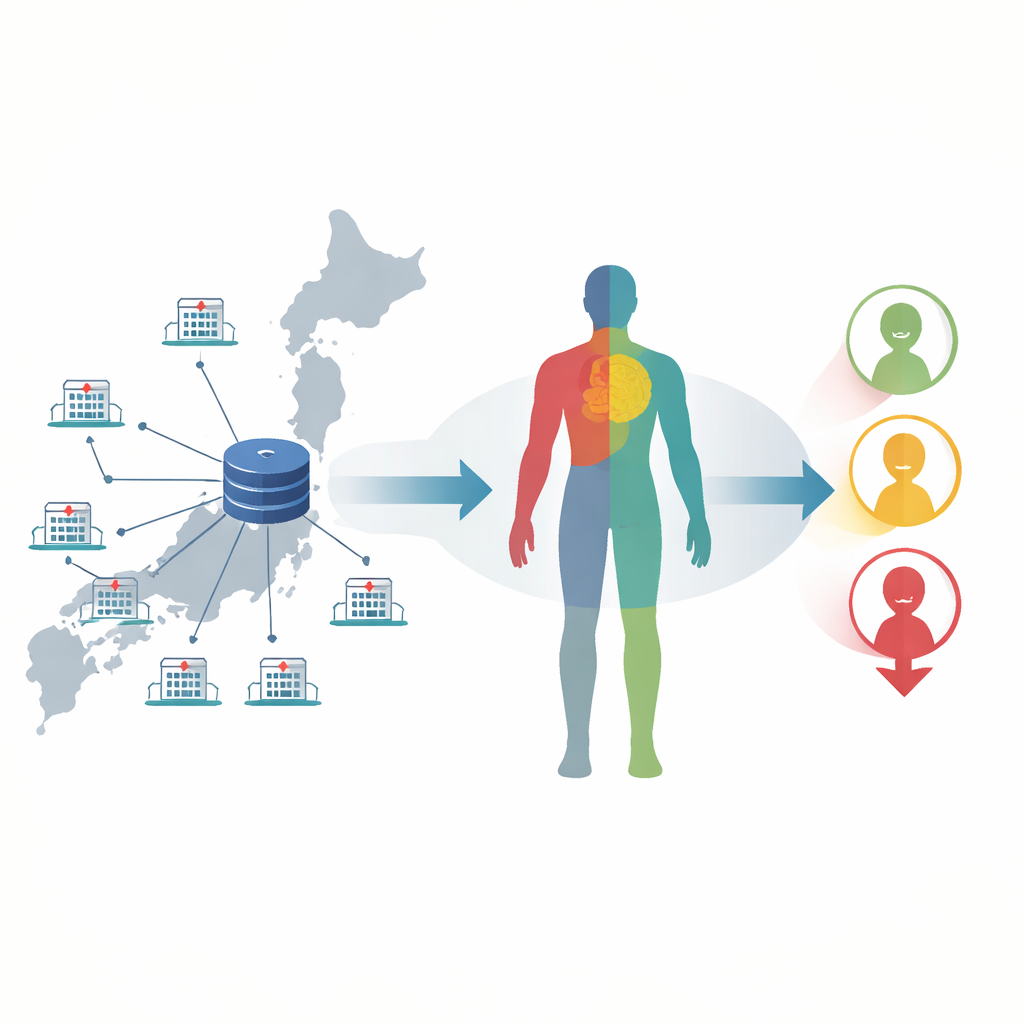
Building a countrywide picture of patients
The researchers created a registry across 14 outpatient clinics scattered around Japan. Patients or their families contacted these clinics because they believed health problems had started or worsened after COVID-19 vaccination. Doctors then reviewed each case in detail, checking medical history, timing of symptoms and other possible causes. Of 279 people enrolled, 179 were judged to have a “clinically definitive” link between their ongoing symptoms and vaccination. These patients were mostly women, with an average age of about 59, and many had received three or more doses.
What people actually felt over time
Together, the 179 patients reported nearly 500 distinct health problems. When the team grouped these complaints by body system, three clusters stood out: general complaints such as fatigue and exhaustion; brain and nerve problems such as dizziness and “brain fog”; and muscle and joint pains, especially in the arms and legs. Many patients had more than one problem at once—some dozens of different symptoms over time. Most issues began within three months of a shot, but about one in eight appeared a year or more later, suggesting that for some people the story does not end in the weeks after vaccination.
Who gets better and who does not
Doctors also tracked how these problems evolved. About two thirds of all recorded symptoms either cleared completely or eased to a level people could tolerate. Yet close to one in three remained unresolved at the latest follow‑up, and a small number of events were severe, life‑threatening or fatal. To make sense of this tangle, the team sorted patients into four rough “types” based on which of the three main symptom clusters they had. People whose problems spanned all three areas—general, nervous system and muscles—were the most likely to remain unwell, with more than 60 percent showing no meaningful recovery.
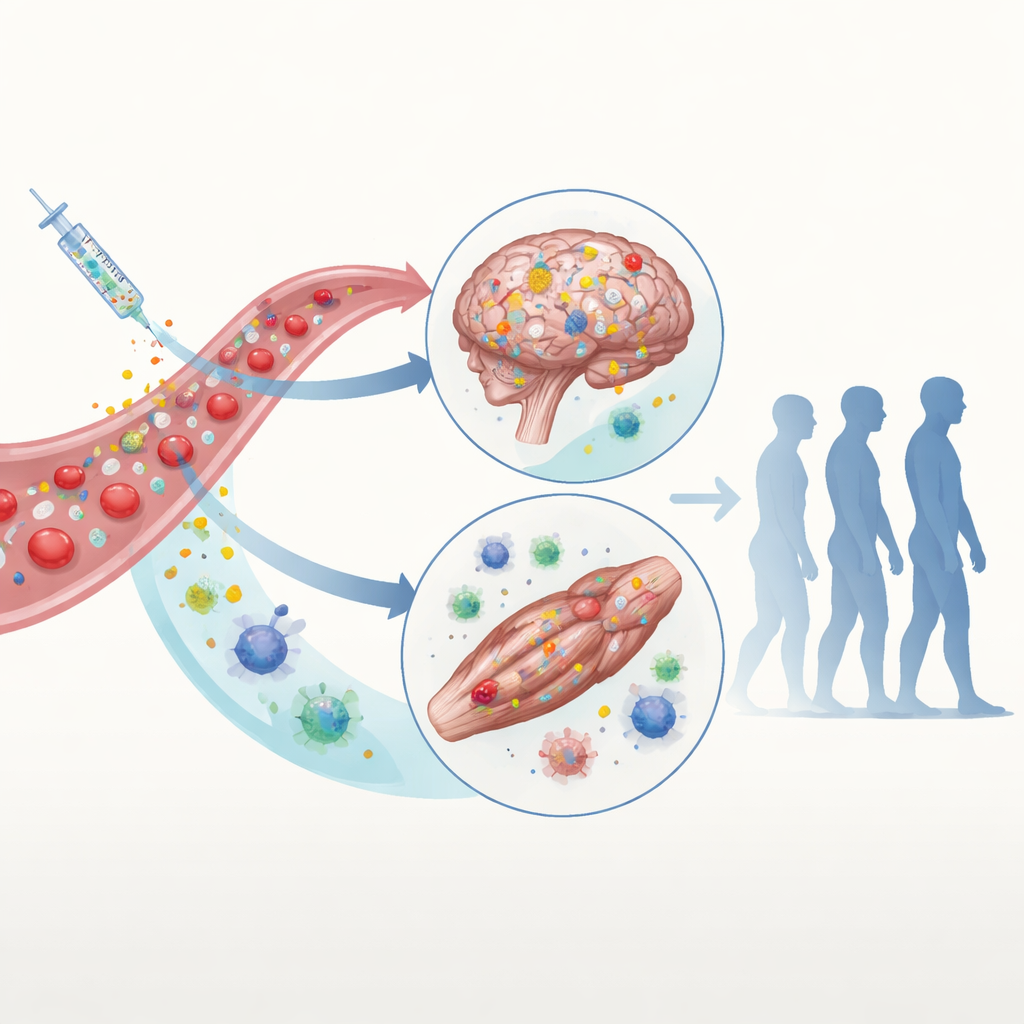
Clues from biology and related conditions
Although this registry could not prove exactly why symptoms occurred, it connects with emerging laboratory work. Other groups have reported traces of the coronavirus spike protein and signs of ongoing immune activation in some people with what is now called Post‑COVID‑19 Vaccination Syndrome (PCVS). The symptoms in this study—chronic fatigue, thinking problems and widespread pain—strongly resemble those seen in long COVID and in long‑studied illnesses such as myalgic encephalomyelitis/chronic fatigue syndrome. The authors suggest these conditions may form a spectrum of “post‑spike” disorders, in which either infection or vaccination can, in rare cases, leave a lasting imprint on the immune and nervous systems.
What this means for patients and society
Beyond the biology, the study highlights a social problem: many people with long‑lasting symptoms after vaccination struggle to find care or official recognition. In Japan, only part of the reported serious cases receive compensation, and many patients feel caught between public health messaging and their own lived experience. By carefully naming and grouping symptoms using international standards, and by following patients over many months, this registry offers a starting map for clinicians, health agencies and policymakers. It points to the need for long‑term safety tracking, clearer diagnostic rules, and tailored support for those whose recovery does not follow the typical script—even as vaccination remains a key tool for preventing severe COVID‑19.
Citation: Fujisawa, A., Kodama, S., Konishi, N. et al. Characterizing persistent Post-COVID-19 vaccination symptoms using MedDRA system organ class and preferred term classifications. Sci Rep 16, 12366 (2026). https://doi.org/10.1038/s41598-026-43949-z
Keywords: post-vaccination syndrome, COVID-19 vaccines, long-term side effects, chronic fatigue and brain fog, vaccine safety surveillance