Clear Sky Science · en
SHP2 improves ovarian morphology and steroidogenic function in a rat PCOS model by modulating IRE1α/XBP1/NLRP3-mediated granulosa cell pyroptosis
Why This Matters for Women’s Health
Polycystic ovary syndrome (PCOS) affects millions of women worldwide, often bringing irregular periods, trouble getting pregnant, and long-term risks like diabetes and heart disease. Yet the inner workings of this condition, especially what goes wrong inside the cells of the ovary, remain only partly understood. This study uses rats and human ovarian cells to explore a key cellular switch called SHP2 and shows how tweaking this switch can protect the ovary from damage driven by excess male hormones.
A Closer Look at PCOS in the Ovary
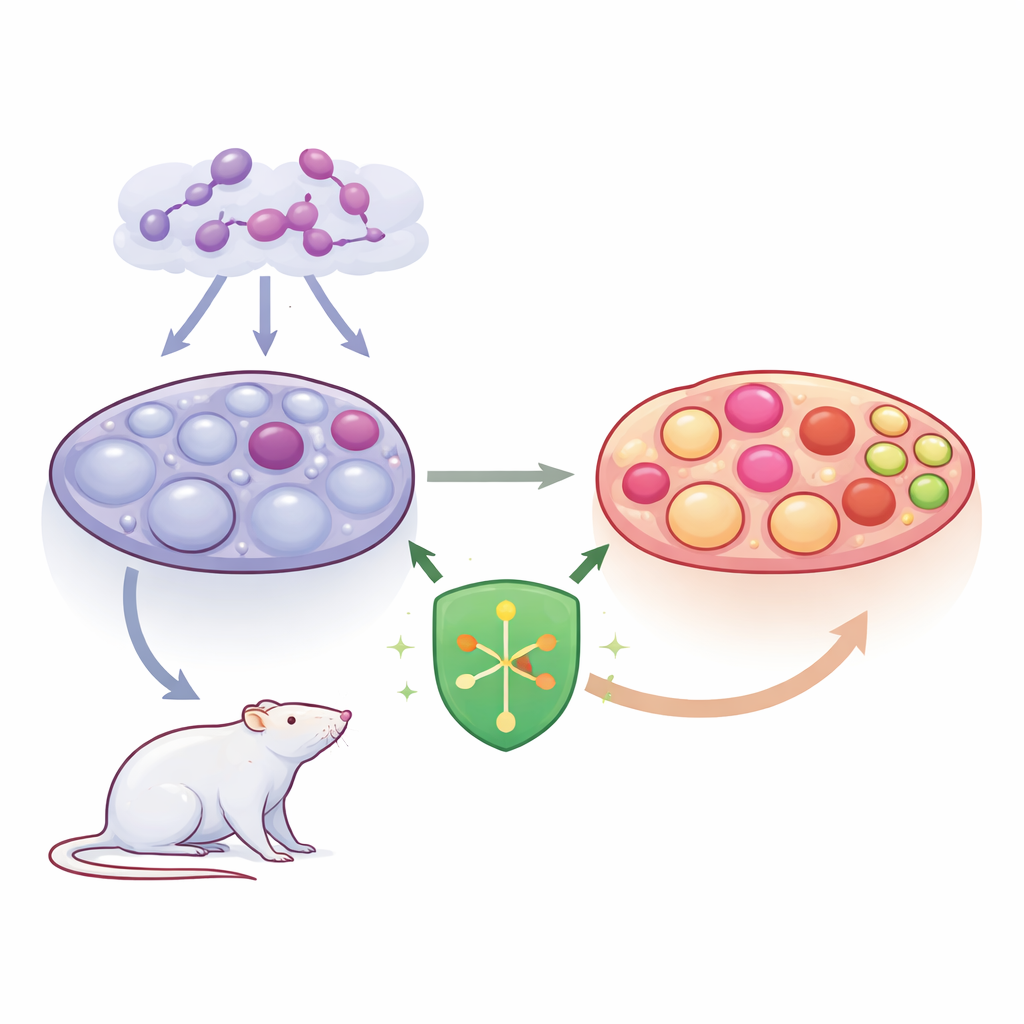
PCOS is marked by hormone imbalance and the appearance of many fluid-filled sacs, or cysts, in the ovary. These cysts reflect follicles that have stalled instead of maturing and releasing an egg. The team focused on granulosa cells, which surround and nourish developing eggs and help make sex hormones. When these cells are stressed or die in the wrong way, follicles fail, and hormone levels become even more distorted. The researchers were particularly interested in a fiery form of cell death called pyroptosis, which bursts cells open and fuels inflammation in the ovary.
The Protective Role of a Cell Switch
The scientists investigated SHP2, a molecule that acts like a control knob for many cell signals, including those tied to growth, survival, and inflammation. In a rat model of PCOS created by giving the drug letrozole, they used a virus to boost SHP2 levels before the syndrome developed. Compared with untreated PCOS rats, those with extra SHP2 had lighter ovaries, fewer large cystic follicles, and more healthy, post-ovulation structures called corpora lutea. Their hormone profile shifted in a favorable direction: estradiol, testosterone, and luteinizing hormone dropped, while follicle-stimulating hormone rose, suggesting more normal ovulation and hormone production.
How Cell Stress Turns Toxic
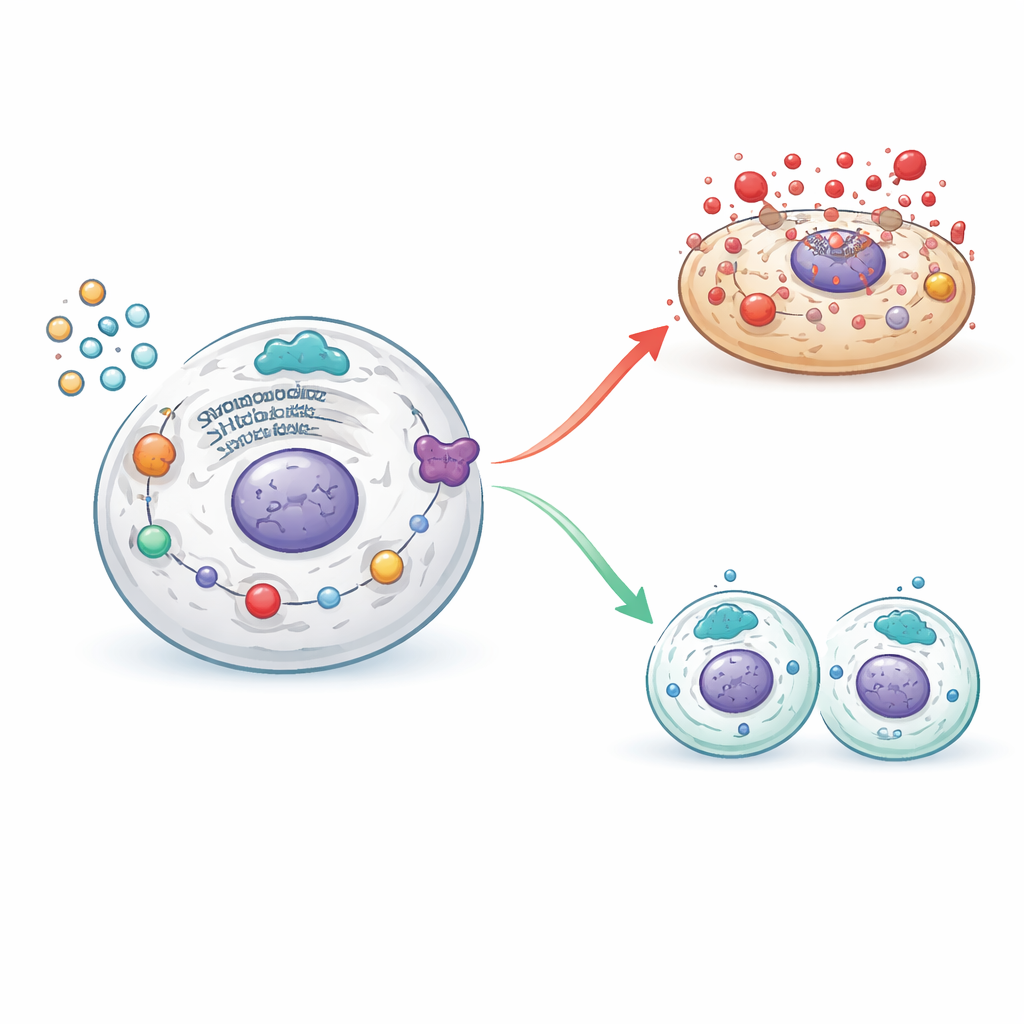
To understand what was happening inside granulosa cells, the team turned to human granulosa-like cells exposed to testosterone. High testosterone triggered a stress response in the endoplasmic reticulum, the cell’s protein-processing center, and activated a chain of signals centered on IRE1α and XBP1. This, in turn, fired up a protein complex called NLRP3, which drives pyroptosis. Cells showed higher levels of molecular markers linked to pore formation in the cell membrane and inflammatory death. At the same time, another pathway involving a regulator called ZEB1 weakened a structural protein, PKP3, and disturbed the cell cycle machinery that normally allows granulosa cells to grow and divide in a controlled way.
Balancing Death and Renewal in Ovarian Cells
When SHP2 activity was supported, these harmful cascades were dampened: cell stress signals and the pyroptosis machinery were reduced, while molecules that support orderly cell division rebounded. Blocking SHP2 had the opposite effect, reactivating stress and inflammatory pathways and again pushing granulosa cells toward destructive death and away from healthy proliferation. By combining genetic tools and chemical inhibitors, the researchers mapped out how SHP2 sits at a crossroads between damaging inflammation and tissue renewal, shaping whether granulosa cells die explosively or survive to support maturing follicles.
What This Could Mean for Future Treatments
For non-specialists, the key message is that PCOS is not just a hormone problem but also a disease of stressed and inflamed ovarian cells. This study identifies SHP2 as a central switch that helps decide whether granulosa cells self-destruct in a way that harms the ovary or continue to function and divide normally. In the rat model, steering SHP2-related pathways improved ovarian structure and hormone balance. While this work is still at an early, preclinical stage, it suggests that carefully targeted drugs that adjust SHP2 and its connected stress pathways might one day help restore healthier ovaries and fertility in people with PCOS.
Citation: Wang, D., Wang, J., Yang, B. et al. SHP2 improves ovarian morphology and steroidogenic function in a rat PCOS model by modulating IRE1α/XBP1/NLRP3-mediated granulosa cell pyroptosis. Sci Rep 16, 14376 (2026). https://doi.org/10.1038/s41598-026-43536-2
Keywords: polycystic ovary syndrome, granulosa cells, ovarian inflammation, cell death, hormone imbalance