Clear Sky Science · en
Mitigating obstructions to attain successful application and implementation of building information modeling (BIM) in residential construction projects’ lifecycle
Why Smarter Building Matters for Everyday Homes
Buying or renting a home is one of the biggest decisions most people make, yet many residential buildings in developing countries still suffer from delays, cost overruns, and quality problems. This paper looks at how a digital approach called Building Information Modeling (BIM) can help, and why it often struggles to take root in the very places that need it most. By uncovering the key obstacles that keep BIM from working smoothly in housing projects, the study shows how tackling human, management, and technical issues can lead to faster, better, and more sustainable homes.
A Digital "Blueprint Plus" for the Whole Building Life
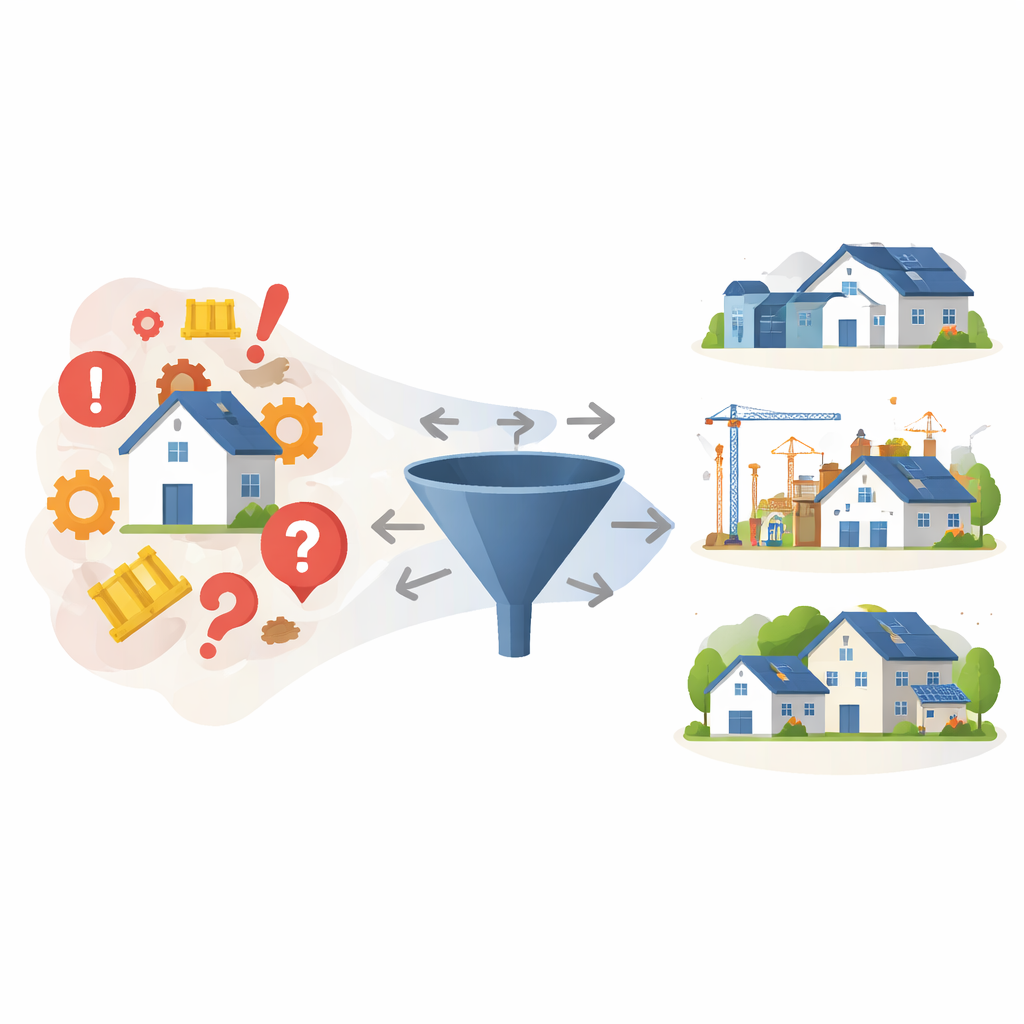
BIM goes beyond traditional blueprints by creating a digital model that follows a building from first sketch to daily operation. It starts with 3D views that help architects and engineers spot clashes early. Extra "dimensions" are then added: time to plan the schedule, cost to track budgets, facility data to guide maintenance, and even energy performance to cut emissions. In theory, this makes it easier to design, build, and run homes that are safer, cheaper, and more efficient. In practice, especially in developing countries, residential projects rarely enjoy these benefits because the digital tools run into stubborn real-world barriers.
Everyday Roadblocks on Building Sites
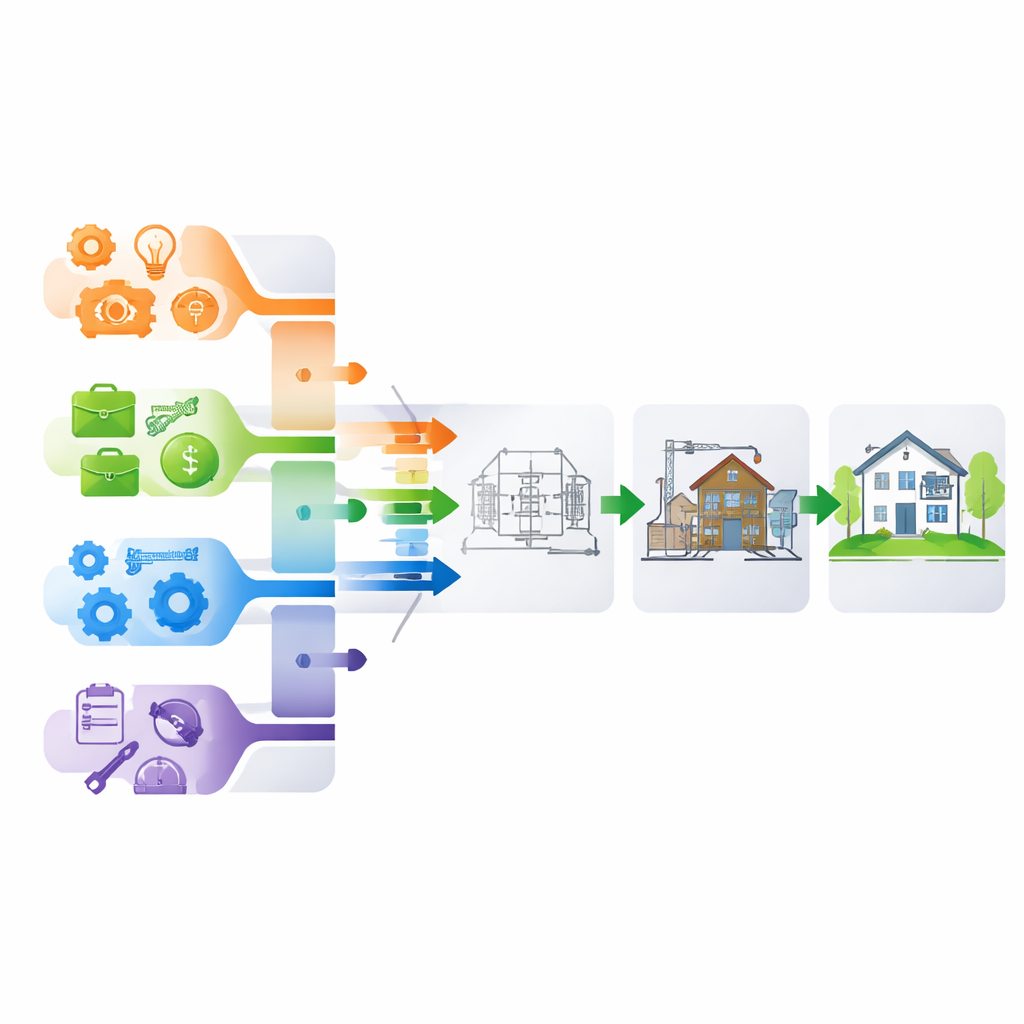
The researchers focused on small and medium residential projects in Saudi Arabia, a fast-growing setting that mirrors many challenges across the developing world. Through an in-depth review of past studies they identified 21 common obstacles to BIM, from lack of training and weak legal support to worker resistance and fragile finances. These were grouped into four main types: behavioral barriers (such as reluctance to change and lack of experts), managerial barriers (like diverse workforces and time pressures), technical adoption barriers (poor methods, limited awareness, and weak integration with site operations), and operational or implementation barriers (including fears of delays and scarce funding for small firms).
Listening to People Who Build Homes
To test how these barriers actually play out, the authors surveyed 166 professionals involved in Saudi residential construction, including engineers, architects, project managers, and contractors. Using advanced statistical tools, they checked how well their categories held up and how strongly each one affected the success of projects across three stages: design, construction, and operation. Their models showed that behavioral and managerial issues matter most. When workers are reluctant to adopt new tools, subcontractors do not cooperate, or leaders are distracted by crises like COVID-19 and workforce turnover, BIM struggles to deliver benefits, no matter how promising the software looks on paper.
From Digital Hurdles to Real-World Results
The study’s structural model found a very strong link between overcoming BIM barriers and achieving better results over the building’s life. When organizations invest in training, clarify methods, support staff with user-friendly processes, and provide visible leadership backing, BIM can dramatically improve coordination in design, reduce surprises and rework during construction, and support smoother maintenance and asset management in the operation phase. The model was not only statistically sound but also predictive, meaning it can help anticipate how changes in behavior, management, and technology will play out in project performance.
What This Means for Future Homes
For non-specialists, the core message is that digital tools alone will not fix the problems of costly, delayed, or poor-quality housing. Success depends just as much on people and organizations as on software. This research shows that if governments, developers, and contractors focus on building digital skills, standardizing how BIM is used, and backing change from the top, they can unlock significant gains in how homes are designed, built, and cared for over time. In short, by clearing the behavioral and managerial roadblocks to BIM, developing countries can move closer to delivering more reliable, efficient, and sustainable housing for their growing populations.
Citation: Alsehaimi, A., Ghani, M.U., Baarimah, A.O. et al. Mitigating obstructions to attain successful application and implementation of building information modeling (BIM) in residential construction projects’ lifecycle. Sci Rep 16, 12389 (2026). https://doi.org/10.1038/s41598-026-43261-w
Keywords: building information modeling, residential construction, digital transformation, construction management, developing countries